How-To-Prevent-Medical-Record-Mismanagement

How To Prevent Medical Record Mismanagement

How-To-Prevent-Medical-Record-Mismanagement

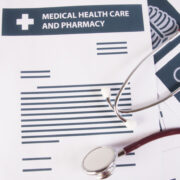
Many medical professionals worry about what could only be a doctor’s or nurse’s worst nightmare: mismanaged medical records. These records could include anything from the wrong diagnosis to treatment to medication. Unfortunately, some errors made in medical documentation can be severe and even fatal.

How-To-Prevent-Medical-Record-Mismanagement

Although many doctors and nurses are aware of the perils of medical record errors, they also know that the issue can be challenging to prevent. Unfortunately, because of oversight and lack of awareness, improper training of staff, and possibly ignoring the most routine aspects of ensuring that accurate medical records are maintained, some medical professionals miss the obvious warning signs of medical record mismanagement.

A medical record contains a wealth of information that could save a patient’s life. It’s also a critical factor in legal issues that injury lawyers have to deal with. Still, carelessness in data entry can result in a series of medical errors that could be avoided. When such errors are ignored, they may prove to be disastrous. Here are the steps on how to prevent medical record mismanagement:

Train Your Staff On Proper Medical Documentation And Management

With the increase of health-related issues that have been identified in recent times, more medical establishments have realized the necessity of developing a system for proper medical record management.

You can find several organizations that offer training in medical record management. The only important thing is to ensure that the training you receive is from an authentic and highly reputed organization and will help you and your staff to perform your roles well. Such training programs usually last for about six weeks, and you have to be extremely careful about checking whether or not all the information and protocols you’ve learned have been appropriately implemented into your hospital or clinic.

Store Digital Copies Of Medical Records

You’ll have a better idea of your patient’s needs when you have an electronic health file. You can have centralized patients’ records about their current health status, drug prescriptions, and any updated information about them. It’s also easier for other doctors and nurses to look into a particular person’s medical records when they’re in electronic form.

There are software programs that can help you with your record-keeping tasks by storing your medical records in an organized manner. You can download any of them over the Internet and install one on your computer or laptop. This is one of the simplest ways to avoid medical record mismanagement. Such programs have different features, so compare them carefully in order to choose the most suitable software for your health establishment.

Have A Checklist For Documentation And Storage

One of the tips on medical record management you have to follow is to prepare a checklist for proper documentation and storage. You have to identify all the areas where you store your patients’ paper-based records within your medical office, clinic, or hospital. You have to ensure that those places are adequately equipped with the necessary furniture and supplies for storage. You also need to provide separate space for the records and other pertinent documents for different departments to keep their respective records organized.

Update Your Medical Records Management Software

Another thing you need to do is to update your medical records management system regularly. You have to be aware that from time to time there’ll be updates for whatever program or software you’re using for electronic medical records. You have to check for them so you can maintain proper documentation for your patients. It’s also essential to look into your patients’ records often to monitor and input any changes or new illnesses they may have developed.

Invest In New Technology Preventing Duplicate Medical Records

Many health care organizations invest in touchless biometric patient identity management solutions to prevent duplicate records of the patients. These systems are also considered one of the best forms of patient data storage available because they require minimal clearance procedures to access.

Since the biometric data needed for the system is stored electronically, validating a person’s fingerprint requires only a few minutes instead of several hours or even days of phone calls going back and forth between doctors and other staff members. This means that medical professionals can quickly determine whether or not a person’s fingerprint is authentic, which is vital in many situations. In addition, biometric patient records can be matched quickly using online services, which can help medical offices keep up with various legal requirements.

Takeaway

Medical errors have accounted for some of the death tolls from diseases throughout the history of medicine. One way to prevent them from occurring is by addressing the issue of medical record mismanagement. This should always be high on the list of priorities for those involved in the medical field due to the need for patient information confidentiality and maintenance of medical records for safety and regulatory purposes.


Proper-Patient-Identification-RightPatient

Proper Patient Identification Mitigates Hospital Losses in Several Ways

Proper-Patient-Identification-RightPatient

Patient safety can easily be achieved by making proper patient identification one of the basic requirements within hospitals. Misidentification of patients creates a host of problems for the care provider, the patients, the insurance companies, to say the least. Medical record mix-ups, preventable medical errors, wrong administration, patient safety issues, or death can be the result of patient misidentification. Repetitive cases of misidentification can spell doom particularly if it is concurrent post-pandemic, caregivers have their hands full to deal with huge losses as a result of coronavirus.

Proper-Patient-Identification-RightPatient

Subsequently, we will look at the effects of patient misidentification on healthcare providers, the financial losses incurred, and how using RightPatient can be used for proper patient identity management to assist caregivers in overcoming issues that may arise as a consequence.

COVID-19 further compounds the financial loss on healthcare providers 

In 2020, it was thought that hospitals will lose $323 billion due to COVID-19. Things are much better now that we have seen a large portion of the United States’ population get vaccinated but the immense financial pressure on hospitals remains an impediment. About $122 billion is the estimated value of the total possible loss for hospitals and health systems following the lingering effects of the pandemic. Despite the immense efforts invested in vaccination, the losses haven’t abated in 2021 according to experts. The situation is dire and healthcare providers have to cut down on unnecessary costs in a meaningful way.

2020 was a dark year for healthcare providers

In the wake of last year’s events, caregivers had to develop new strategies to overcome the challenges posed by the pandemic. They were forced to adopt cost-cutting strategies such as furloughing, temporarily closing down departments, closing hospitals, and laying off workers. These strategies aided some hospitals but it was pretty ineffective for others. The focus has to be on fixing existing problems that will ultimately minimize their losses. Proper patient identification is one of the most underrated and lingering problems that are being experienced in many hospitals and health systems. Next, we will be considering how we can reduce losses.

Ways how proper patient identification cuts losses

Accurate patient identification reduces denied claims

Denied claims often result from situations in which the person paying for a service observes discrepancies in the information sent by the caregiver compare to a patient’s actual data. Such claims are denied based on patient misidentification. 

Possibly, the patient might have been misidentified right from the beginning. The case of patient misidentification does not necessarily mean that the patient was given another patient’s EHR, it could also be a case of duplicated medical details. If such occurs in the EHR system, and the fragmented data are used in treating the patient, the issues that may arise will be critical. Peradventure by a long shot, a miracle happens and no patient safety concern incident occurs, the claims will be flagged off by a statement of the insurance company that it was the wrong medical record. Medical record mixups may mean that a patient receives the wrong bills and these rarely pass through to approval.

It is, thus, important to properly identify a patient from the beginning. An adequately evaluated identification will mean that the same EHR will be used in developing appointment schedules as well as payment collection. It will also be useful in fighting denied claims. The necessary bills will be issued to the patients and the caregiver’s patient revenue cycles will be optimized and losses reduced drastically.

Accurate patient identification improves patient safety

Dangers to patient safety such as wrong treatments, readmissions, wrong surgeries, preventable medical errors depending on the situation can arise from a wrong EHR is used to administer treatment to patients. A patient with diabetes can get treated with a plan for a heart condition as a result of a patient record mix-up. Even the slightest patient safety incident can cost healthcare providers a lot of money, undesirable media attention, and others which can lead to penalties down the road.

Making sure that accurate patient identification often limits the chances of medical record mix-ups, drastically reduces the occurrence of otherwise preventable medical errors, and ensures improvement in healthcare outcomes by making the right patient get the right treatment plan. An averted problem of patient safety concerns saves the hospital a whole lot of trouble and financial implications.

RightPatient ensures proper patient identification

Efficient healthcare providers are finding great use for RightPatient in identifying their patients. Our touchless biometric patient identification platform is easy to use, and it is also ideal in a post-pandemic world as it limits the chances of infection control issues.

The platform has a proven track record of aiding healthcare providers to enhance patient safety, forestalling cases of patient medical record duplication, and diminishing denied claims. The bottom line is ultimately improved upon in the process. Are you ready to use a feasible solution like RightPatient to cut your losses?

RightPatient-addresses-prominent-patient-safety-concerns

Hospital Acquired Infections are the Topmost Patient Safety Concerns – 4 Ways to Address Them

RightPatient-addresses-prominent-patient-safety-concerns

We started feeling the effects of the pandemic towards the end of 2019. The committed efforts in the US to create vaccines that would aid the hospitals and health systems in their fight against the pandemic have aided their return to a degree of normalcy. Caregivers are often concerned about the dangers of hospital-acquired infections (HAIs) as one of the foremost patient safety concerns. The cases of COVID-19 made it an even bigger cause for worry for everyone. Patients are conscious of getting infected in the hospital with the virus and with the rate at which it spreads, caregivers have to be extra committed to infection prevention. Understanding this, we can move further to look at how HAIs can be prevented in the hospital and how patients can be assessed without touching them, for instance, by using a touchless patient identity verification platform.

RightPatient-addresses-prominent-patient-safety-concerns

Addressing one of the trending patient safety concerns – HAIs

Hospitals are often perceived as a haven where people can be cared for as per their healthcare needs. However, the need to consider establishing policies to address the problems associated with patient safety concerns to forestall adverse health outcomes. Here are some ways in which hospitals can deal with HAIs.

Clean surfaces and patient equipment regularly

This is so important and almost traditional. It is one sure practice that either eradicates HAIs or reduces them to the barest minimum. Thorough cleaning and care for all surfaces in special parts of the hospitals such as where samples of blood, bodily fluids, or instruments that would be used to treat a patient are stored. Such care has to be administered to areas where people such as medics, suppliers, patients, or visitors are attended to. This will help to control the spread of germs that might have attached to their persons from outside. This is how control over infections can be achieved in the hospital.

The responsibility falls on healthcare providers to continue to institute practices that improve infection control in all facilities. Ensuring a clean environment with clean surfaces such as walls, chairs, tables, beds, doorknobs being cleaned and disinfected regularly and thoroughly. This has become even more important to do now more than ever. Disinfection of patient materials such as sheets and gowns must be carried out after each use. The use of disposable plates, cups, and spoons alone should be encouraged.

Enforce hygiene practices on everyone

One of the things we have picked from the pandemic is the consistent use of nose masks as well a practicing social distancing. That applies even in less clinical circumstances. It shows you just how crucial those practices should be encouraged within hospitals. The consequences are much dire in the case of poor hygiene practices in the hospital and health system. Caregivers will have a nightmare experience if a Covid-19 patient comes in contact with hundreds of other patients in an unprotected manner. People tend to not enjoy the use of masks, because of this set of people, it is important to enforce social distancing protocols in hospitals.  

RightPatient-prevents-infection-control-issues

The use of signs warning against such unhygienic practices should be encouraged. A sign that reads “NO MASKS, NO SERVICE” can be placed in strategic positions in the hospital to restrict such carefree attitudes in the hospital. Informative designed posters can be used to educate people on the social distancing protocols should also be used. Hand sanitizers should be made available and compulsory for anyone who wants to enter the clinic. Maintenance might be costly but it is worth the effort nonetheless.

Workers in the hospital must project adherence to these rules for patients to emulate by maintaining hand hygiene, use masks, and maintain social distancing. New workers must be adequately trained and enlightened about the essence of a clean and disinfected environment.

Have a robust and updated infection control policy in place

The above-mentioned practices are but a few that help to maintain infection control protocols being administered by a standard caregiver. These policies must be renewed and retaught regularly enough and they must be shared with staff members to prevent HAIs.

Other recognizable practices that are commonly an important infection control policy include

  • The use of gloves
  • Use of personal protective equipment
  • Regular and proper disposal of weight
  • Ensuring proper etiquette while coughing
  • Avoiding needlestick sores and injuries

Using contactless solutions to prevent prominent patient safety concerns

Providing quality care and ensuring patient safety as a practice is extremely difficult and important. In improving patient safety and quality of care, multiple solutions can help care providers reduce HAIs and deal with other patient safety concerns such as poor identification of patients or a case of mistaken identity.

One of such solutions available is RightPatient, a touchless biometric patient identification platform that helps identify patients in any care situation and time. It also does this in a simple, safer, and more hygienic manner. The patient only needs to gaze at the camera to register and on subsequent visits by the care provider staff. The platform compares the live photo with the saved one and displays their accurate medical record after the match is found.

It significantly minimizes the dangers of infection control issues, prevents medical errors, reduces misidentification of patients and other patient safety concerns. It played an active role in the post-pandemic scenarios but it has been in existence for years in some health institutions because it has no deleterious effects attached to its usage.

Question is, what are you using to accurately identify patients and reduce HAIs in the healthcare systems while doing it?

RightPatient-prevents-professional-study-subjects-in-clincal-trials

How Professional Patients are One of the Crucial Challenges of Clinical Trials

RightPatient-prevents-professional-study-subjects-in-clincal-trials

Clinical trials have been around for years. They’re often a way of testing new treatments on people who are already requiring treatment for something. For those with terminal diagnoses, they may prolong life or improve the quality of their remaining time. Chronic conditions may be alleviated, and treatment once considered experimental and new may become mainstream after a successful clinical trial. They might allow the development of new drugs or instead, look at prevention or better diagnosis of disease. Clinical trials can help establish whether screening, imaging, or testing can assist early diagnosis or investigate how best to support those people diagnosed with a particular disease. However, all of these can be damaged by the challenges of clinical trials, and one of the overlooked ones is professional study subjects – let’s see how.

RightPatient-prevents-professional-study-subjects-in-clincal-trials

Clinical trials attract different types of individuals

For some, a clinical trial can simply be a way of getting a free treatment or being paid for the time the trial takes. Some patients will use any underhand means at their disposal to ensure their place on these trials, as for them, they are lucrative little earners. So many people are living with multiple illnesses that simply paying for all the medications can get expensive. Any chance that they find to try something for free is a lucky break for their finances. Then, many individuals are more altruistic. They simply want the chance to take part in something which might potentially change the course of treatment for other patients, some of whom may be their loved ones.

So, it was with the trials of the COVID-19 vaccines. The light at the end of the pandemic tunnel; a chance to gain a measure of protection against this virulent disease. Some people, however, were purely in the trials for their own ends. They wanted the vaccine first, both doses, and they would stop at nothing to get it – the majority of the trials face these types of individuals.

So how could these professional study subjects play the system like this and become one of the overlooked challenges of clinical trials? Lax patient identification is not the only answer, it’s far more complicated than that. 

  • One way these professional study subjects game the system is to ignore the terms and conditions of the trial. They maintain they meet the criteria, when in fact they have an underlying condition that would automatically exclude them from taking part. Or they choose not to disclose that they are already participating in another trial when the rules of the second trial they are applying for clearly state that it must be the only trial they are enrolled in at any time.
  • Earning money may not be the sole motivator for everyone. Some people like to take advantage of freebies to save money on their medical bills. Others could have more nefarious reasons, like acquiring the drugs for recreational purposes. There is also a group of professional patients who hope the medicine or treatment being trialed will stop or slow down their disease, even if that’s not the prime reason for the trial. These patients are more likely to travel long distances to ensure they are in the group testing the new treatment, rather than receiving a placebo. They may also enroll in multiple sites under different identities. This has the potential to skew the results of the trial, which could affect the chances of a treatment being brought to the market.

Challenges-of-clinical-trials-RightPatient

  • Assuming a false identity is the way many of these professional patients get around the rules on participating in clinical trials. If they look alike, they could masquerade as their sibling, or simply purchase a forged identity online for a fraction of the money they stand to earn from the trial. For those who know where to look, fake documents are available for $50 to $100, and the earnings from a trial could run into thousands of dollars for each participant.
  • These professional patients are willing to game the system in any way possible. Even falsifying participation is not unknown – saying they took the drugs when they haven’t. That means they won’t show any effects, although they will still be treated as a trial member. If enough people on one trial game the system in various ways, the results could be irretrievably altered, and the rollout could be delayed or halted, no matter how promising the previous work had looked.

RightPatient prevents professional patients

Using a touchless biometric patient identification platform like RightPatient can prevent one of the overlooked but crucial challenges of clinical trials. It can detect blacklisted participants who try to use the trial to their own ends – eliminating professional patients in clinical trials. This increases the integrity of the trial and ultimately improves results. Because it allows accurate recording of someone’s participation in the trial, it prevents fraud, wasted effort, and delayed approvals – saving millions in the process and preventing trials from being shut down.

Clinical trials can benefit from using the RightPatient platform to correctly identify their trial participants. The trials will have accurate data, and the patients’ records will be correctly updated with their participation and the outcome.

RightPatient-optimizes-revenue-cycle-for-healthcare-providers

5 Strategies That Can Rebuild Revenue Cycle for Healthcare Facilities

RightPatient-optimizes-revenue-cycle-for-healthcare-providers

As the pandemic wanes, at least for now, many businesses are rebuilding. The US healthcare sector is no exception, picking itself up and dusting itself down gingerly, preparing to welcome back patients and see an uptick in revenue again. Working on the revenue cycle for healthcare providers has never been more important.

RightPatient-optimizes-revenue-cycle-for-healthcare-providers

For some hospitals and departments, it’s already too late – the pandemic forced them to close. Others are hanging on, with staff returning from furlough and machinery being switched on and recalibrated for the first time in over a year. As more people are fully vaccinated, it becomes simpler to see patients in person again, which will lead to the increase in revenue the healthcare sector badly needs. However, it’s not all plain sailing. Providers could still lose over $120 billion this year, so it is vital to be careful with any attempts to ramp up income. The fewer denied claims there are, the better the bottom line will be. That being said, let’s take a look at some strategies that will help optimize the revenue cycle for healthcare providers.

5 strategies to enhance revenue cycle for healthcare providers

Check the existing revenue cycle management processes

The first option is to see whether any immediate improvements can be made to the existing system. This will be down to the back-end developers and IT specialists and will not be visible to patients. After that, it’s time to look at the patient-facing part of the cycle. Ensuring staff members are fully trained in customer service is a good place to start with optimizing revenue cycle management. That way, they will know what questions to ask when registering or checking in patients and how to check their insurance, treatment codes, and eligibility. They will know how long to allocate for different types of appointments and when to ask for immediate payment.

Use technology to your advantage

The easiest way to ensure that everything runs smoothly is by identifying patients accurately right from the start of the treatment process. This could be done using a patient identity verification platform such as RightPatient that eliminates the need for asking patients questions, patient record mix-ups, and more, reducing denied claims in the process.

That was just one example – optimizing the revenue cycle for healthcare providers is not difficult, it just needs a bit of help at times. Technology can be that hidden assistance.

Prompt, correct coding, and billing is key

An organization should not expect prompt payment if its internal processes are lax. Ensuring accurate coding and billing leads to lower chances of denied claims. Complete elimination of denied claims is impossible, because of some uncontrollable factors, but rigorous checking of coding will, in turn, generate accurate bills which are more likely to be agreed on the first time by the insurers.

RightPatient-reduces-denied-claims

Utilize up-front collection

If possible, the up-front collection is the best way to optimize the revenue cycle for healthcare providers. This eliminates an entire step in the revenue collection process, as the bill does not need to be seen by accounts receivable at all. Instead, it lands on the collected revenue team’s side for processing. While this approach will not work for every patient, it can be an effective tool for immediate revenue generation.

Accurate patient identification underpins everything

Well-trained staff members are likely to know exactly how to identify a patient and take payment politely using a fast processing system, but the whole thing falls if the patient’s identity is incorrect on the system, or if changed details are input wrongly. Denied claims are annoying and time-consuming to rectify. There are ways in which technology can help minimize the chances of this happening, however. 

Getting the patient’s identity and billing details correct from the first interaction with them makes things so much smoother. It prevents duplicate medical records and overlays, for a start. If a patient only has one EHR, there is little to no chance that the insurer will find fault with the claim and so will settle the amount faster. Denied claims cost millions of dollars for every provider, often due to poor electronic health records and a lack of robust identity checks. Incorrect patient identification puts the patients at risk too.

One of the most innovative ways of ensuring accurate patient identification from the get-go is by using RightPatient. This touchless biometric patient identification platform is being used by several healthcare providers and has several benefits. It allows patients to identify themselves even in virtual consultations and during in-person visits, all they need to do is look at the camera, meaning that they don’t have to run the risk of others overhearing sensitive personal data when checking into a clinic. Nor do they have to use touchscreens or keypads to enter information – making it hygienic and safer than ever.

RightPatient is the solution that ensures accurate patient identification, reduces denied claims, duplicate medical records, and ensures fast billing.

RightPatient-prevents-medical-identity-theft-during-virtual-visits

The Advantages of Telehealth and Why Hospitals Must be Cautious With It

RightPatient-prevents-medical-identity-theft-during-virtual-visits

Telehealth has been around for a while now, even if it only came to prominence during the last year. A paper from the University of California, Davis suggests that telehealth started in the early 1960s. Authoritative websites run by major healthcare providers have been around for at least 20 years. The last year or so has seen remote solutions come into their own, with regular consultations held by video call, support groups for all kinds of ailments moving to online platforms, and routine telephone screening used to allocate patients to the appropriate staff member – exposing virtually everyone to the advantages of telehealth.

RightPatient-prevents-medical-identity-theft-during-virtual-visits

Given the pandemic, people were told to shelter in place. The healthcare system had no spare capacity to deal with seeing patients face to face. Patients were told not to attend the hospital or their regular clinic. Elective surgeries were canceled and routine appointments became virtual, conducted first by telephone and then by video call. The stuff of science fiction suddenly hit the mainstream – slowly demonstrating the advantages of telehealth.

Medical staff members are dealing with ever more complicated cases, among other things. Anything which can simplify and streamline this necessary engagement has to be tried, at least. The pandemic allowed a trial that otherwise might have been seen as driving patients away.

Remote healthcare has been growing in the last few decades. From emails requesting medical records or consultant second opinions, to routine online forms to fill out for regular repeat prescriptions or book appointments, the ability to integrate technology in healthcare is clear. Many primary healthcare practitioners no longer accept requests for repeat prescriptions by telephone but instead require patients to fill in their details online. Imaging reports can be filed online and shared electronically with a patient’s care team, while telephone or video consultations can save a patient having to visit the clinic unless a physical exam is necessary. This may allow the patient to fit the call into a scheduled break at work or arrange for others to take care of dependents for a short time.

The advantages of telehealth everyone loves

Telehealth does not necessarily even need anything more than a cellphone connection. A video connection may be preferable in some cases, but most screening and initial consultations can be carried out over the phone. No costly and time-consuming travel for the patient, no risk of delays for the practitioner. In these times of social distancing, it is best to minimize in-person contact, and telehealth is ideal for this. Patients who have been advised to shelter in place can still receive advice, treatment, prescriptions, and counseling with no risk to themselves or their specialist.

The-advantages-of-telehealth-RightPatient

Telehealth also speeds up the sharing of information between healthcare teams. A report and images can be shared by email over a secure link far quicker than a physical package can be delivered. Sharing patient information online can expedite care, which in turn can improve patient outcomes, quality, and safety in healthcare.

Telehealth needs to be used with caution

While there are numerous advantages of telehealth, it still needs to be used with caution. Technology can be used to help healthcare, as long as it is used securely and correctly. No one wants a patient safety incident resulting from misdirected confidential information or an incorrect bill, after all. Telehealth is more than simply a way to help hospitals improve their finances. Facilities need to ensure they can demonstrate to patients and staff that telehealth is secure as well as slick. It can allow patients to access healthcare when they wouldn’t otherwise be able to, as it will put them in touch with a regular member of their team who is familiar with their case. This means a higher quality of care than if the patient was simply searching online for treatment options.

One option which is not mentioned so often is that telehealth visits can be billed faster. Good for the provider, not so great for the patient, who may also have to attend an in-person appointment for a physical examination after screening. Both the initial virtual consultation and the appointment on site are likely to be chargeable, even though initial screening has often previously been free. Some providers may decide to offer a package of mixed virtual and face-to-face appointments, but should always make this clear to the patient.

Telehealth is not for everyone

Telehealth is convenient for those who are busy and anyone who can get to grips with new software quickly. For patients who are not technologically aware, anyone who lives off the beaten track, in rural locations, or off-grid altogether, it is likely to be more of a challenge to access. Virtual consultations have their place, but in-person healthcare must remain for those who cannot or choose not to access it online.

Some patients will, after all, have reservations about virtual appointments due to concerns about data and personal security. A biometric touchless patient identification platform like RightPatient may help calm their worries. Because it is biometric rather than in-person or touchscreen activated, it can prevent medical identity theft during both telehealth or in-person visits.

RightPatient-helps-optimize-revenue-cycle-in-healthcare-facilities

Improving Revenue Cycle in Healthcare Facilities in a Post-Pandemic World

RightPatient-helps-optimize-revenue-cycle-in-healthcare-facilities

The pandemic hasn’t only been difficult for the healthcare sector in terms of the number of patients treated and the severity of symptoms. For the American healthcare system, it meant a huge loss of revenue for everyday treatments, as every available resource pivoted to caring for the patients affected by COVID. Those facilities that couldn’t pivot were left with no option but to close and file for bankruptcy as their income was hit. Some managed to survive by furloughing their staff or redeploying them to care for the large number of seriously ill patients which COVID produced. As a result, revenue cycle in healthcare facilities took a huge hit.

RightPatient-helps-optimize-revenue-cycle-in-healthcare-facilities

Some organizations, though, were luckier than others and were able to deploy remote triaging and virtual consultations by phone and video using the latest videoconferencing software – all of which can be bolstered by utilizing a touchless biometric patient identification platform such as RightPatient. This allowed them to continue to treat patients, and earn income, which softened the blow to their finances and helped both patients – who suffered no break in treatment – and staff – who were retained rather than furloughed.

Revenue cycle in healthcare facilities during the pandemic tanked, to put it mildly. Normal service dropped off a cliff and around three-quarters of healthcare providers had to put revenue cycle management in place, as well as ensuring employees could practice remotely and maintain effective social distancing when they did have to attend their workplace.

The return has started, remotely

Now that treatment cycles are returning to pre-pandemic levels in many places, the staff members are also returning to their usual roles. They are returning to treating their regular patients and making sure of their incoming revenue whilst minimizing the losses their facility may have suffered.

In order to optimize their abilities, staff members have learned how to use technology to help them assist patients remotely during the pandemic. This approach is likely to remain in place for those patients who are unable for any number of reasons to attend an in-person consultation.

One of the most popular ways to use tech in medicine is by organizing a remote consultation, by telephone or video call. This helps staff to find out quickly what ails their patient and can help them triage the patient more effectively, immediately. They can tell the caller at once whether they need to attend, offer an appointment if so and have all the notes from the call available when the patient comes in. If a referral is needed, the process can be started straight after the phone call, without waiting for an appointment or paperwork.

RightPatient-reduces-denied-claims-improving-revenue-cycle

Of course, processes still need to be followed. Not only does that enhance patient safety, but it also embeds the familiar for both patient and healthcare employee. Sorting out the paperwork before the patient arrives is of prime importance, and means everyone will know what is going to happen and what they can expect to be billed or paid for. Staff should check whether there is an authorization for the service under the patient’s insurance and what the patient’s responsibility is regarding this. Ensuring everyone is aware of charges and can reconcile them quickly is better for the provider’s income levels too. Being organized allows accurate expenditure planning, which helps everyone balance incoming revenue against outgoing expected payments.

Communication is key for improving revenue cycle in healthcare

Face-to-face, by email, text, shared app, or phone: no matter how teams communicate, it is best that they do. Patients with comorbidities or multiple conditions need dovetailed treatment, a patient pathway across several providers, and it is best to schedule appointments logically. Scheduling several simple appointments across nearby providers in one day is a possibility to reduce travel headaches for the patient, although it may make it an expensive time when the bills come due. That also relies on the finance and revenue cycle team knowing that they are to bill a particular insurance company for a defined treatment to a named patient on a given date. Communication makes all of these processes simpler and can help provide the necessary paper or electronic trails to ensure timely billing, and therefore prompt payment. The notification to finance should come from the clinical team, as they are treating the patient. They also know exactly which procedure was undertaken and how, so are best placed to ensure the billing is correct. 

An efficient billing cycle is one way to ensure reliable income, as everyone knows what is due to be paid, by whom, and when. It’s not just the medics and revenue billing team who have a part to play here either. Every healthcare professional who attends to the patient has a responsibility to produce documentation for their part in the patient’s care – all of this works towards optimizing revenue cycle management in healthcare facilities.

Technology can enhance revenue cycle in healthcare facilities

Accurate billing is essential when attempting to collect revenue. Billing the wrong patient, or a different insurance company, can delay payment and cause extra effort and paperwork for no gain. Correct patient identification at the start of the treatment cycle makes billing much simpler. A biometric touchless platform such as RightPatient can help eliminate patient misidentification and the nearly $5 million of denied claims which result.

RightPatient-helps-improve-the-patient-experience-as-hospitals-reopen

It’s Time to Improve the Patient Experience as In-Person Medical Visits Are Back

RightPatient-helps-improve-the-patient-experience-as-hospitals-reopen

Now that lockdown is easing, in-person visits to medical facilities for non-urgent reasons can resume. Masks are being removed, people can come into closer contact than they could previously, and the routines of everyday life are returning. This is where hospitals can put into practice new ways of working which were adopted because of the pandemic and improve the patient experience.

RightPatient-helps-improve-the-patient-experience-as-hospitals-reopen

RightPatient improves the patient experience

More virtual appointments to prevent waiting times and improve punctuality for those patients who do need to be seen in person. Telephone triaging so that the patient is routed to the correct specialist faster. Individual consultations rather than groups which may encourage patients to be more open about their ailment, or group sessions held remotely so patients who work better with a support network can still have that feeling of accountability. All of these, when used appropriately for the individual patient, can improve the patient experience, reduce patient safety incidents, and improve healthcare outcomes.

Virtual consultations may not be for everyone

Of course, a touchless biometric patient identification platform such as RightPatient can improve quality and safety in healthcare where it is used. As hospitals and other healthcare locations move towards dealing with higher numbers of routine patients again, anything which can simplify the process should be welcome. There is a significant backlog of routine procedures which need to be undertaken having been canceled in favor of treating COVID infected patients, so all the staff members are likely to be busy for some time to come. Some workers were furloughed, other facilities had departments closed and remaining staff diverted to caring for acutely ill patients. Now, they need to return to their more usual work, while picking up the pieces of disrupted patient treatment pathways and working to improve the patient experience.

Naturally, this had a knock-on effect on medical income, with the loss to hospitals estimated to be somewhere between $320 billion to $325 billion. Now that people are receiving vaccines at speed and the rate of infection is slowing, medical facilities can begin to work on regaining some of that lost income and treating those patients who may have chronic conditions or have developed one after overcoming COVID.

Normal, but not normal

Just because everything is opening up again doesn’t mean that everyone shouldn’t be alert to the potential for new variants of the virus. Like ‘flu and colds, the COVID virus mutates, and there is always the risk that the next outbreak could be just as virulent. Keeping social distancing, minimizing queuing, and ensuring adequate ventilation are practical ways to reduce risk to staff and patients. However, technology has a part to play too.

Improving-patient-experience-is-feasible-with-RightPatient

RightPatient has been improving the patient experience for several hospitals

Remote consultations save time, effort, the patient’s money, and improve the patient experience

Telehealth, the use of virtual or remote appointments rather than in-person consultations, has become popular for first consultations, initial triaging, counseling, and any discussion where actual hands-on physical examination is not required. For some people, it may be mentally less stressful to undertake healthcare appointments in this fashion. For others, it may be simpler and quicker, removing the need for time off work or lengthy journeys. Using telehealth the professional can easily work out which patients to call in for an in-person examination and who simply needs a new prescription or a referral to further care. Telehealth can take the form of a telephone call or video consultation, so most patients should be able to start their treatment pathway virtually. The reduced numbers of patients attending the facility will lower the likelihood of infection and reduce risk to staff and those patients who are clinically more vulnerable to the virus.

The public’s awareness of and engagement with healthcare staff has increased due to the pandemic. More people have been coming into contact with a wide variety of medical professionals as a result of the events of the last year. These people are not just those infected with the virus, they are members of the public who have struggled with loneliness and isolation, mental health issues, grief and loss, as well as those whose domestic arrangements were not suited to extended shelter-in-place requirements.

For many of these people, a remote solution is easier than an in-person visit. Actually leaving the house may be impossible for some, depending on their circumstances. It may be safer for them to remain at home, to have their medication delivered to them, and not to put their long-term health at risk by attending hospital in person. Hospital-acquired infections are a big risk to immunocompromised patients, and after a year of keeping themselves safe, they may be reticent about venturing out too far.

Touchless biometric patient identification solutions such as RightPatient can help healthcare providers ensure that they are treating accurate patients. Because RightPatient is biometric, patient identification is visually by camera rather than confirming answers to questions – it helps improve the patient experience during both virtual and in-person visits.

RightPatient can help healthcare providers treat their patients with less disruption and lower risk to the patients. The providers are still paid for their time and expertise, but the patient avoids an in-person visit unless an examination or procedure is indicated. That’s more convenient all around.

RightPatient-can-improve healthcare-outcomes-and-reduce-readmission-rates 

How to Improve Healthcare Outcomes and Reduce Readmission Rates

RightPatient-can-improve healthcare-outcomes-and-reduce-readmission-rates 

Improving a patient’s outcome (for instance, their quality of life or life expectancy) is obviously the prime reason for treating them. Patients approach a medical professional with the hope of ‘being cured’ of whatever ails them, whether that’s by being prescribed medication to ease symptoms or having an operation or procedure to relieve pain or remove or transplant a body part to offer a better quality of life. When they are paying for their treatment, they have every right to expect that their life is better afterward. Hospitals that do not achieve the required levels of treatment outcome are routinely penalized, thus, they need to improve healthcare outcomes. These levels are measured by readmission rates. On average, over 2,500 hospitals are likely to be penalized because of their monthly readmission rates, even though the pandemic will have increased the chances of some patients having to be readmitted.

RightPatient-can-improve healthcare-outcomes-and-reduce-readmission-rates 

Improve healthcare outcomes with an effective patient identification platform

However, there are some very simple ways in which hospitals can improve healthcare outcomes and reduce readmission rates.

Identify your patient. Continue to identify your patient.

Correct patient identification is key. Ensuring that staff members are treating the right patient for the right ailment is, perhaps, needless to say, the best way to improve healthcare outcomes. Getting identification wrong can lead to any number of issues, from unnecessary operations or incorrect scans to potentially dangerous prescription medication being offered.

The best way of ensuring correct patient identification is by using a touchless biometric patient identification platform such as RightPatient. It helps improve healthcare outcomes, ensures timely sharing of appropriate information with other professionals, and ultimately helps lower the chances of a patient safety incident.

The data may be on the screen, and may well be correct. But front desk staff, nurses, medics, and others are only going to know this for sure if they use such a solution. The available data is also likely to show previous admissions, incidents that the patient may have been involved in, allergies, vital statistics, next of kin, and areas of concern for the patient’s health.

Many hospitals undertake patient surveys to help them improve patient care, and this option can be offered as a patient reaches discharge date, if appropriate.

Goals, KPIs, outcomes, HSMRs – whatever you call them, they help improve healthcare outcomes.

Improving the patient’s experience of their stay in the hospital will also improve their view of how well they were treated. A positive outlook has been shown to raise recovery rates. Plus, helping patients recover makes staff feel better too. Making a good outcome a key goal of the organization and the staff will help both sides. Suggesting a reduction in incidents from the previous year is a friendly way to ask for an improvement in figures, whilst still recognizing that employees are human and can make mistakes.

RightPatient-identifies-patient-records-accurately

RightPatient identifies patient records accurately

No matter how good the records, unnecessary scans can be requested and patient information can be incorrectly recorded. It happens. If the patient’s identity can be verified accurately, then mistakes can be avoided.

Sharing is caring.

Sharing information with other caregivers can also improve healthcare outcomes and provide healthcare professionals with a rounded picture of the person they are treating. Not all patients will be happy with this option, but for primary care doctors, knowing where else their patients have already been treated is of great benefit when referring them to other specialties. Many people have to see a different physician for every ailment, and joined up care can make things much easier. When someone with a chronic condition ends up in the ER, a shared electronic health record allows everyone to know what medication the patient has already been prescribed and even whether certain common treatments have already been attempted.

CMS, therefore, requires healthcare providers to use CoP electronic notifications to let other named physicians know that they have a patient in their care. These notifications also alert others in the chain about patient discharge or transfer, which is important for ongoing care – using RightPatient can help with that. RightPatient also aims to prevent duplicate medical records, so acting against medical identity theft. All of this helps CMS compliance, which is good news for a facility’s finances, as fines for CMS breaches can be crippling after a while.

Contact us for more information on how RightPatient can help your facility and your patients stay safer from medical mix-ups and online impersonation by using our biometric patient identity management system.

Common Types of Medical Negligence and How They Can Occur

Common Types of Medical Negligence and How They Can Occur

Common Types of Medical Negligence and How They Can Occur

There are a number of medical negligence claims that are processed every year. Medical negligence occurs when you have sustained an injury or an existing condition is made worse by substandard medical care.

Research shows that there are common types of medical negligence that occur more than others. Let’s take a look at them and how they may occur.

Common Types of Medical Negligence and How They Can Occur

Being Misdiagnosed

One of the most common types of medical negligence is being misdiagnosed. This can mean that you seek medical advice and they diagnose you with the wrong illness or condition. Your symptoms end up being misread and a medical professional comes to the wrong conclusion. Unfortunately, this can lead to unnecessary suffering for a patient and they end up not receiving the care they need. In some cases, the results of this medical misdiagnosis can be fatal.

If you believe that you have been misdiagnosed, the best thing you can do is seek a second opinion. You can also choose to make a medical negligence claim. It is best to find a lawyer that can assist you with your case, such as Gadsbywicks. This is going to ensure that you receive the best expertise and so that you can claim the compensation that you deserve.

Given the Wrong Medication

Another way that medical negligence can occur is by a health professional giving you the wrong medication. There are several ways this can happen. For example, you may have been prescribed the wrong drug for the condition you have. Alternatively, you might be written a prescription with the wrong dosage. Either way, an error was made in the medication that you received and this should not be taken lightly. Indeed, taking the wrong drugs can have damaging effects on a person.

Moreover, patient misidentification can be a cause for receiving the wrong medication. Imagine that you’re assigned the wrong EHR due to a medical record mix-up, something that is common in the U.S. healthcare system. However, many caregivers are preventing patient misidentification using innovative solutions – more on that later. 

Mistakes Made During Surgery

Going for surgery can be scary and it means going under anesthetic. Surgeons are highly qualified and they are expected to carry out the surgery in a professional manner. However, there are a number of medical negligence claims made because of the ways that surgeries have been conducted. In other words, mistakes have been made that no health professional should ever make. For example, this can include operating on the wrong part of the body or receiving the wrong surgery altogether. An infection may have occurred due to poor hygiene or scarring and disfigurement happened before of substandard care.

Once again, patient misidentification is a major cause for medical errors, medical record mix-ups, patient safety incidents, botched surgeries, and even deaths – all of which can be prevented. Fortunately, responsible caregivers are using RightPatient to ensure accurate patient identification in a safe and hygienic manner. Not only does it ensure a touchless experience, but it also enhances patient safety, prevents duplicate medical records, patient mix-ups, and more. 

Injuries During Birth

Babies are born all of the time. For most people, this is a joyful occasion and you can welcome a new little one into the world. However, another type of medical negligence claim that you can see is birthing injuries. These can take place during labor and they can lead to serious conditions such as cerebral palsy and Erb’s palsy.

If you suspect that you have a medical negligence claim, know that there is a certain time period to raise this issue. Often, this is around three years. You can seek legal advice prior to making a claim.