

5 Ways Nurses Can Promote a Culture of Patient Safety

5 Ways Nurses Can Promote a Culture of Patient Safety
5 Ways Nurses Can Promote a Culture of Patient Safety

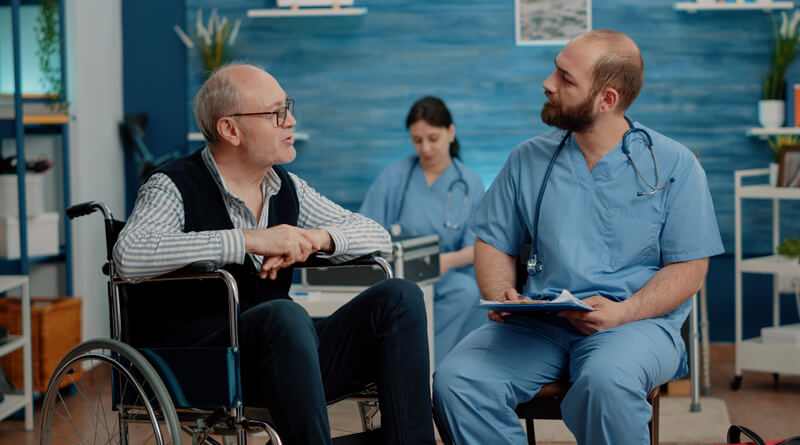
Nurses are crucial members of the healthcare team, and they have a unique opportunity to promote patient safety in the hospital setting. Spending time with patients one-on-one will help nurses detect and address factors that may increase the risk of medical errors or adverse events. They are also in a position to provide critical education about their medications, checklists for procedural steps, and other key safety measures. Listening carefully to patient concerns and communicating openly with doctors and other providers can help nurses to create a culture of safety in which no harm comes to patients.

5 Ways Nurses Can Promote a Culture of Patient Safety

Promote Teamwork

At a fundamental level, nursing is about teamwork. Nurses collaborate with doctors and other medical staff to assess patients’ needs, set clear treatment plans, and identify potential risk factors that could lead to medical errors. By working together as a team and communicating clearly with each other and their patients, nurses play a vital role in making sure that everyone involved in the care process understands their responsibilities and feels empowered to speak up when necessary.  By focusing explicitly on patient safety, nurses can also help to cultivate a culture where safety is at the forefront of every decision made, from infection control protocols to the choice of hospital equipment.

Verify Medical Procedures

Beyond individual steps taken by nurses to promote safety, there is also a larger cultural shift within healthcare facilities. Programs like online post masters FNP encourage giving a rationale for each procedure which can help verify if it’s appropriate for a patient. This shift involves empowering nurses and other healthcare professionals to raise concerns, offer input, and advocate for the best outcomes for their patients instead of simply following pre-established protocols or routines. 

Through this culture of patient safety, nurses can play an essential role in helping to improve clinical outcomes across the board. Ultimately, it is up to each nurse in particular to stay informed about opportunities to promote best practices and fight back against any underlying biases or shortcuts that may put patients at risk.

Help Patients Understand Their Medication

Nurses can help patients understand their medication by providing them with information about the medication’s purpose, how to take it, and what side effects to expect. Fostering a culture of patient safety helps nurses ensure that patients stay safe and healthy during their time in the hospital. This not only benefits individual patients but also contributes to making healthcare a more efficient and effective system overall.

Use Monitoring Technology

Monitoring technology can help nurses keep track of patients’ vital signs and alert them to any changes. For example, technologies like pulse oximeters can provide accurate information about heart rate and oxygen levels in real-time, allowing nurses to take immediate action if needed. Additionally, monitors for respiratory depression or delirium can alert healthcare staff when patients need extra care. In this way, nurses can use technology to help ensure that patients receive the highest quality care possible.

Grow Your Career Through Education

In order to fully optimize patient care through nursing, it’s important for nurses to continue developing their skills through education. Attending medical conferences, enrolling in specialized training courses or pursuing programs like post MSN FNP online programs, and seeking out opportunities to work with experts are all excellent ways to develop expertise and stay ahead of emerging trends in patient safety.

Nurses are crucial to the success of any hospital or medical facility, and a skilled nurse can play a key role in promoting patient safety. By working closely with patients and understanding their needs, nurses are in an ideal position to identify potential problems before they become bigger issues and by closely monitoring the health of their patients, nurses can help keep them safe from harm or complications.


4 Ways Nursing Practitioners Impact Healthcare

4 Ways Nursing Practitioners Impact Healthcare

4 Ways Nursing Practitioners Impact Healthcare

In the United States, the Affordable Care Act (ACA) has been in effect for a while now. One of its key provisions is the expansion of Medicaid, which has helped millions of Americans gain access to quality healthcare. What many people don’t realize is that the ACA also expanded the role of family nurse practitioners (FNPs) in providing care to patients. Here are ways FNPs are making a positive impact on healthcare.

4 Ways Nursing Practitioners Impact Healthcare

High-Quality, Patient-Centered Care

One of the core values of nursing is providing care that is patient-centered and individualized. This means that NPs take into account each patient’s unique circumstances and develop a care plan that meets their specific needs. This type of care has been shown to improve patient outcomes and satisfaction levels. With their deep knowledge of the human body, mastery of modern medical techniques, and understanding of the unique needs and perspectives of each individual patient, these professionals are ideally equipped to provide effective healthcare. 

FNPs are known for their compassion, patience, and dedication to creating positive patient experiences. Whether it’s working one-on-one with patients in a hospital setting or providing support from a distance via phone or email, these skilled medical professionals are always committed to ensuring that patients receive the best possible care.

Experts in Disease Prevention and Management

A family nurse practitioner receives extensive training in disease prevention and management. This makes them uniquely qualified to help patients prevent or manage chronic conditions such as diabetes, hypertension, and heart disease. NPs also play a key role in promoting healthy lifestyles and helping patients make necessary lifestyle changes to improve their health.

Trained to Provide Culturally Competent Care

Cultural competence is the ability to provide care that is respectful of and responsive to the cultural beliefs, values, and needs of patients from diverse backgrounds. NPs receive training in cultural competence as part of their education and are therefore able to provide care that is more culturally sensitive and responsive. They must have a deep understanding of the unique needs and cultural practices of their patients in order to provide effective treatment and support. This involves knowing how different cultures view illness, what health behaviors are considered appropriate, and what issues patients may be facing outside of the healthcare system.

Additionally, nursing practitioners must also have a firm grasp on communication styles and preferences, particularly among socially marginalized groups that may be at a higher risk for experiencing stigma or discrimination. Through careful study, skill development, and ongoing training, these experts can become true champions of culturally competent care.

Address the Primary Care Shortage

There is currently a shortage of primary care providers in America, which is predicted to worsen over the next decade as the population ages and more people gain insurance coverage through the ACA Medicaid expansion. Nurse practitioners are helping to address this shortage by providing high-quality primary care services to patients across the country.

Nurse practitioners play a critical role in healthcare delivery. Not only do they provide direct patient care in clinical settings, but they also work to educate and support patients and families. Through their efforts, nursing practitioners can have a profound impact on the overall health and well-being of the people they serve. They help to bridge the gap between medicine and nursing by advocating for care that is scientifically sound, compassionate, and holistic.

4 Ways to Improve Patient Safety

4 Ways to Improve Patient Safety

4 Ways to Improve Patient Safety

According to a recent study, an estimated 98,000 people die each year from preventable medical errors. This means medical errors claim more lives than car accidents, breast cancer, or AIDS. Patient safety is something that should be at the forefront of every healthcare professional’s mind, as the wellbeing and well-being of patients are always at risk when it comes to medical procedures and treatments. The last thing you want is for an error or mistake to put your patients in danger, resulting in physical or psychological harm.

4 Ways to Improve Patient Safety

Allow Patient Access to EHR Data

One way to avoid medical record misinformation is to give patients direct access to their own electronic health records (EHRs). This way, they can see for themselves what treatments have been prescribed and what tests have been ordered. Not only does this help patients feel more empowered and in control of their own health, but it also helps them catch any errors that may have been made in their records.

Care for Hospital Environment

Maintaining a hospital environment is crucial for promoting patient safety. Hospitals are busy, bustling places where there is literally no room for error. Every medical team needs to be working together seamlessly in order to ensure that patients receive the best care possible, and maintaining a clean, organized environment helps to facilitate this seamless collaboration. From eliminating clutter on the floors to keeping equipment in proper working order, ensuring a clean and organized hospital environment is a constant task that requires diligence, attention to detail, and an unwavering focus on patient safety.

Robust Patient Identification Technology 

While patient safety is a top priority in any healthcare setting, poor patient identification remains a major barrier to delivering safe, high-quality care. This is especially true in emergency settings, where there are often multiple patients coming through the doors at once and staff members are under great pressure to quickly triage, diagnose, and treat patients as efficiently as possible. Thanks to robust patient identification technology, these challenges can now be overcome. That means using systems that can accurately identify patients by their unique characteristics, such as fingerprints or iris scans. This way, you can be sure that the right patient is getting the right treatment, and not vice versa.

With solutions like RightPatient, nurses, doctors, and other medical personnel can easily retrieve accurate EHRs using patient photos – the platform runs a biometric search to provide the EHR saved with the same patient photo. This information can then be cross-referenced with data from previous encounters with that particular patient or with past tests or procedures performed for that person. As a result, critical errors such as misdiagnosis or overprescription of medications and treatments can be avoided.

Encourage Healthcare Professionals to Continue Education 

One of the best ways to improve patient safety is to encourage healthcare professionals to continue their education on an ongoing basis. The healthcare landscape is always changing, new treatments are being developed, new technologies are being introduced, and new regulations are being put into place. Enrolling in different programs like ABSN programs can help nurses stay up-to-date with their careers.

Encouraging healthcare professionals to take distance learning courses or pursue specialized certifications online like distance accelerated BSN online can help to keep their skills current while also providing them with much-needed support and renewed energy. Not only does education improve patient safety by helping healthcare workers stay up-to-date on new treatments and best practices, but it also helps to boost morale and reduce burnout in an otherwise incredibly stressful profession.

The goal of any healthcare professional should be to prioritize patient safety. By focusing on this simple but important goal, healthcare professionals can avoid medical errors and ensure that everyone receives the treatment they need. This includes making sure that facilities have appropriate safety measures in place, schedules are flexible enough to allow medical professionals to respond quickly in an emergency, and approach each new patient with sensitivity and compassion.