
Healthcare and technology

4 Ways Digitization is Transforming the Healthcare Industry

Healthcare and technology

Technology has benefited almost every industry it has come into contact with. The impact that it has had on businesses is undeniable. Truly, shifting to digital systems has fundamentally changed the way that work is done, vastly improved upon existing processes, and enhanced how businesses engage and interact with their customers.

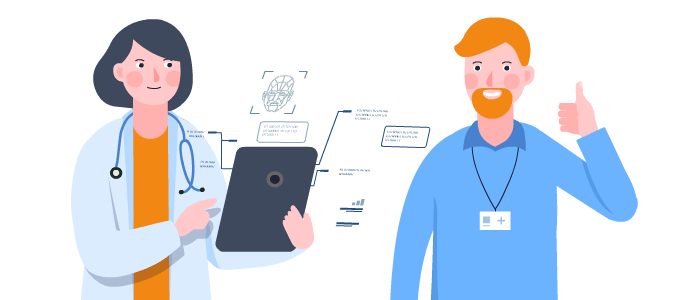
Healthcare and technologyEven healthcare, an industry known for being traditionally slow to adopt radical changes, is now embracing digital transformation as a response to ever-increasing regional and federal demands. This is done to improve the delivery of its services, operations, and outcomes. Indeed, digitization addresses some of the biggest problems facing healthcare systems all over the world. These include, but are not limited to, the rising cost of care, the poor quality and inaccessibility of healthcare services, inefficient back-office systems and processes, and the lack of personalized patient-specific treatment. 

Though these digital breakthroughs in healthcare may still be in their infancy stages, technology has still significantly transformed the relationship between health systems, healthcare providers, and patients. This can be seen from the digitization of health records to innovations in health insurance technology. Here’s a closer look at how digitalization is directly helping to save lives, greatly improve operational efficiency, and better the experience of both providing and receiving healthcare services:

Health Record Digitalization

Before digitization, patient medical records had to be manually encoded on paper before being transferred from department to department. It would be an understatement to say that it was a burdensome, time-consuming chore for everyone involved.

To make matters worse, the records themselves were inherently insecure and vulnerable to human error, loss, and damage. Simply locating an existing patient’s information could take a while, depending on the size of the institution. A person’s medical records could also be scattered across a variety of healthcare practitioners that offered different services. For example, a person’s dental records would traditionally be kept separate from their psychiatric records, their physical therapy records, and so on, hindering collaboration between a patient’s medical providers.

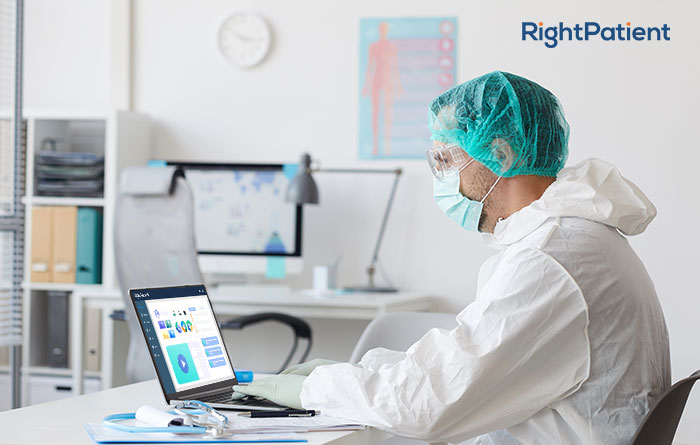
The introduction of the Electronic Health Record or EHR has been a blessing to both healthcare practitioners and patients everywhere. They allow providers and other authorized users to access accurate, complete, and up-to-date information about patients instantly and securely. EHRs help facilitate faster diagnoses, reduce medical errors, and improve the completeness and legibility of documentation. Additionally, they can bring down the cost of healthcare by avoiding duplicate testing and decreasing the time it takes to do administrative tasks.

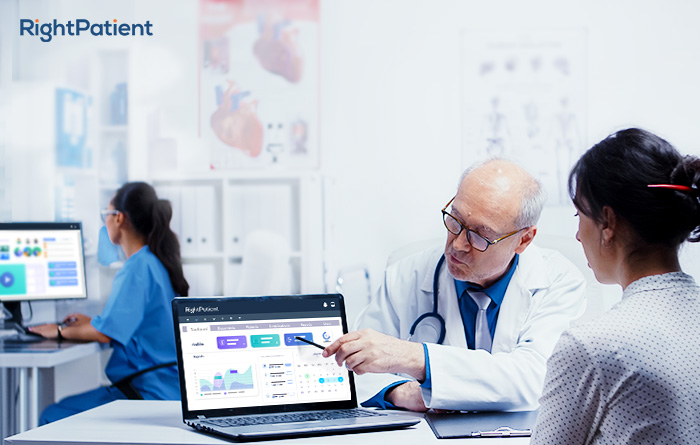
Moreover, many healthcare providers are enhancing EHRs by ensuring accurate patient identification with RightPatient. It is a robust touchless biometric patient identification platform that prevents patient misidentification, duplicate medical records, and improves healthcare outcomes. 

Telemedicine

Access to quality healthcare continues to be an issue worldwide, especially in lower-income countries. They may suffer from weak healthcare infrastructure as well as a shortage of providers. Challenges brought on by the COVID-19 pandemic have also called for a definitive solution that will allow elderly patients and those with co-morbidities to safely see their healthcare providers without putting them at risk.

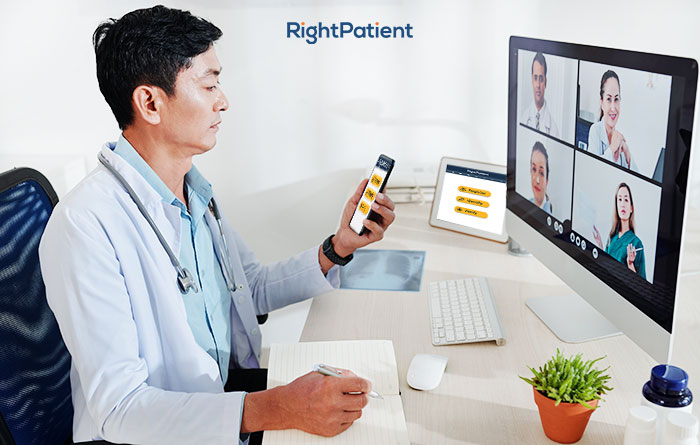
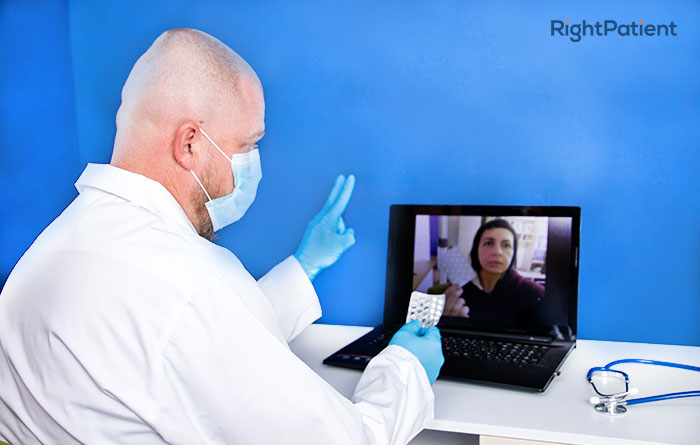
Telemedicine is the digital solution that can address all of these problems. Video conferencing allows medical professionals to see patients that may not be physically able to come to them. It also enables them to reach those who reside in rural or remote locations. They can even conduct one-on-one appointments with patients who live in other countries. Additionally, telecommunication is a valuable educational tool that helps facilitate training and collaboration opportunities between healthcare institutions and providers separated by long distances. 

Big Data Analytics

Many of us have freely embraced technology as a way to proactively keep tabs on our own health. Our smartphones can automatically track how many steps we’ve taken in a day, while wearable electronic devices can provide insights into our resting heart rate and blood oxygen levels. There is also an abundance of health apps out there for a variety of use cases, from meal tracking and calorie counting to meditation and mental health improvement. 

This means that there is an ever-expanding pool of data that can be collected from these sources, the importance of which simply cannot be overstated. Big data, when harnessed effectively, can be used to create a more personalized approach to patient care. Analytics can also empower healthcare professionals in providing faster, more accurate diagnoses and making better treatment decisions. Most promising, though, is the possibility that, in the near future, big data can be used in conjunction with artificial intelligence and machine learning to predict a patient’s medical trajectory. 

Modernized Insurance Claims Processing

Health insurers are also benefiting from digital technologies, especially with regards to claims processing and adjudication. Claims management has long been considered a major pain point in the healthcare lifecycle. Nowadays, consumers are paying more than ever for premiums and out-of-pocket costs, but do not feel that they are getting their money’s worth from their insurance providers. Most of their dissatisfaction comes from delayed claims payments caused by inefficient claims processing. 

Digitizing claims processing and adjudication addresses the root of the problem. Going digital enables health insurers to streamline claims management and offer claims processing in real-time, thus vastly improving the experience for their customers.

Even now, the future is looking particularly bright for technology in healthcare. There are always exciting new developments to look forward to, and we can expect this digital revolution to continue in the years to come.

Accurate-patient-identification-benefits-EHRs

5 Ways EHR benefits Healthcare Providers and Patients

Accurate-patient-identification-benefits-EHRs

Usually, our blog mostly talks about the issues that plague the US healthcare system. Moreover, the majority of 2020 did not give much scope to talk about anything positive, especially in the healthcare space. It has been a rollercoaster ride for all of us, and with the breakthrough vaccines, all of that is hopefully behind us. That being said, we wanted to focus on something positive this time around – the benefits of EHR (electronic health record) systems. They have been in use for years and most of us have taken them for granted. However, EHR systems provide a host of benefits for everyone involved – making processes more streamlined, boosting coordinated care, and improving patient care. Let’s take a look at 5 ways EHR benefits both healthcare providers and patients and how it improves healthcare outcomes.

Accurate-patient-identification-benefits-EHRs

5 ways in which EHR benefits healthcare

Before electronic health records, healthcare providers used paper records. While they had some benefits at the time, they had a number of drawbacks as well. For instance, paper medical records took up a significant amount of space.  If a hospital has thousands of patients,  where would all the records be stored? Moreover using paper was not feasible – if you made mistakes, then they had to be crossed out and rewritten. Finally, it was extremely difficult to search for paper medical records. All of these issues are eliminated with electronic health records. 

While the aforementioned were some commonly known EHR benefits, let’s take a look at how it improves healthcare.

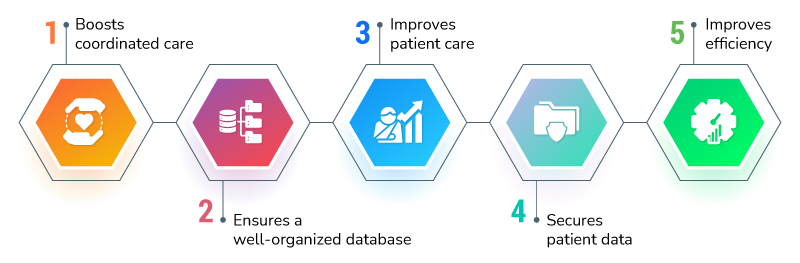
Boosts coordinated care

In the earlier decades, patients usually had visited a single hospital, had a single healthcare provider, and all of their doctors were from the same system. Now, healthcare has become complex, includes physicians from different hospitals, and requires all of them to communicate to provide better and coordinated care.

EHR benefits coordinated care efforts significantly. The physicians of a single patient can access their digital medical records that are kept at a centralized location. They can make necessary changes, obtain critical information, and make informed decisions, all of which are recorded within the EHRs, helping everyone to work together.

CMS has also mandated healthcare providers using EHR systems to support e-notifications in order to boost interoperability and enhance coordinated care. Fortunately, RightPatient can help send out accurate alerts and prevent false ones. 

5-Ways-EHR-benefits-Healthcare-RightPatient

Ensures a well-organized database

Since EHRs are digital, they need to be stored somewhere – a database, to be precise. With EHR systems, healthcare providers can store their data in a centralized location if they choose to do so, as many of them back up the data in other locations. As all of the data is in a single location, it is much easier to manage, access, update, and keep track of activities such as changes made.

EHR benefits patient care

Interrelated with the previous points, EHRs help enhance patient care, as information is retrieved and stored faster, something that is critical during time-sensitive cases to make informed decisions. Moreover, most of these records are virtually error-free, and if not, they can be rectified whenever required.

Secures patient data

EHRs don’t have the risks associated with paper records – fire, water, or some other damage won’t be able to affect them. Moreover, most healthcare providers keep backups, so, in cases of emergency, the backups can be used. Moreover, the information is encrypted and sent via secure means, rendering it useless for hackers in most cases.

Improves efficiency

As previously mentioned, EHR systems dramatically improve efficiency. Prior to EHRs, caregivers had to search for the record manually and send faxed copies to labs, or other caregivers – something which was not secure, and recordkeeping was quite problematic. For instance, imagine that you sent a record of 4 pages, but you got back 10 pages in return that contained new information – recordkeeping was an administrative nightmare!

RightPatient-complements-EHR-benefits

With EHRs, the healthcare staff member simply puts the name in the search bar, identifies the accurate medical record, and sends it over securely. The EHR user doesn’t need to accommodate the new information; it automatically gets recorded in the original record, making everything more efficient than ever. Also, healthcare teams don’t need to visit each other to send over the records – one click and it’s sent over to the required individuals, saving time and costs.

RightPatient boosts EHR benefits

While EHRs have a number of advantages it brings for healthcare providers and patients, some external factors hinder them from providing the best possible experience. One such restriction is patient identification. 

The unique patient identifier (UPI) was supposed to be made around two decades ago, but due to privacy concerns, a ban was imposed on its funding. As a result, healthcare providers still struggle with patient identification errors. Not everyone faces these issues, though, many use RightPatient. 

RightPatient is a touchless biometric patient identification platform used by several responsible healthcare providers and clinics. It identifies patients accurately across the care continuum and becomes part of the EHR workflow. 

During enrollment, patients only need to look at the camera – the platform captures a photo and their biometric data and attaches them to their EHRs. Returning patients just have to look at the camera – RightPatient runs a search and provides accurate medical records in seconds, boosting EHR efficiency. The best part is that the process is entirely touchless, eliminating any chances for HAIs (hospital-acquired infections), making it ideal to be used in the post-pandemic world. 

RightPatient also prevents duplicate medical records and overlays – something that is extremely crucial to improve healthcare operations.

RightPatient enhances patient safety, improves patient outcomes, prevents medical identity theft, and boosts the bottom lines of healthcare providers – something that is vital right now to survive during the pandemic. Be a responsible healthcare provider and contact us now to learn how we can help your healthcare facility.

Improving-quality-of-care-for-patients-is-possible-with-RightPatient

Improving Quality of Care for Patients – 3 Tech Trends to Watch Out for

Improving-quality-of-care-for-patients-is-possible-with-RightPatient

2020 feels like yesterday – while it did seem like the longest year due to COVID-19 and a number of other issues, we’ve finally stepped into 2021. The pandemic did bring a lot of hardship, took a lot from us, and has changed our lives forever. However, it did also show new ways to do things we thought were never possible. For instance, virtually everyone has worked remotely (many still are doing it) and telehealth usage exploded. COVID-19 changed reality for everyone and everything, but it affected healthcare the most, especially that of the US. Many hospitals had to shut their doors, whereas many health systems closed down some of their facilities. However, one of the most dramatic changes to healthcare was telehealth, and it looks like it’s here to stay. The pandemic has also forced many to adopt or come up with technology that has the potential to improve the quality of care for patients – let’s take a look at some of the promising ones.

RightPatient-enhances-quality-of-care

3 tech trends that can improve the quality of care for patients 

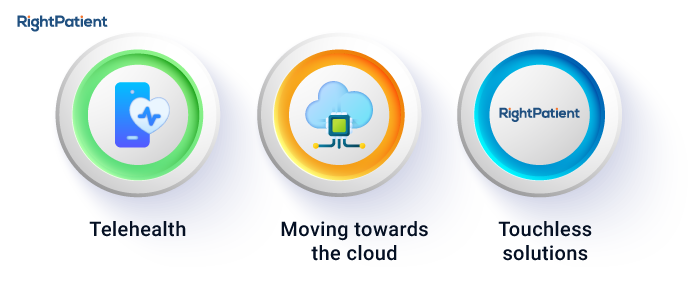
Telehealth

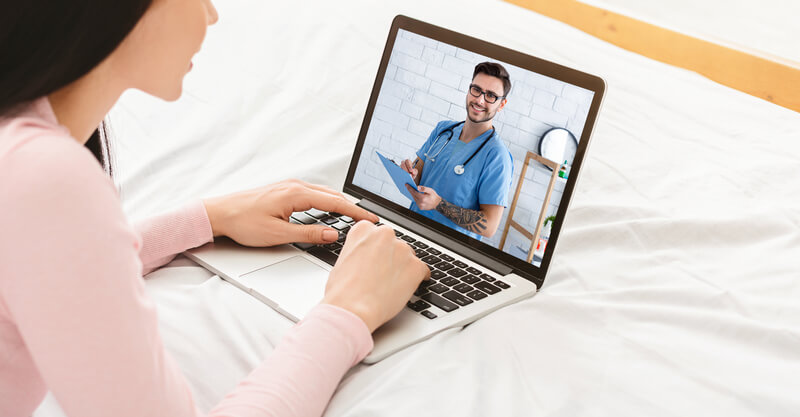
Quite unsurprisingly, telehealth is the tech to look out for in 2021. Telehealth has been growing immensely, and it’s finally getting all the attention it deserves. Since the pandemic started, the focus has been on two things – treating COVID-19 patients by allocating whatever resources required and diverting non-critical patients to virtual sessions. Months later, telehealth has been the icing on the cake – it helped reduce infections as well as helped patients receive care online without having to leave the safety of their homes. While it still might have some issues to iron out, all trends point toward a healthcare system that significantly uses virtual care. 

Moving toward the cloud

Some large players are entering the healthcare system and they are definitely going to attract the attention of hospitals and health systems to store their data online. With data breaches becoming more common than ever, it shows that most of the existing cybersecurity measures taken by hospitals are not up to the mark, mostly because of budgetary issues. 

While not everything can be moved to the cloud, many critical pieces of information can be, and that can ultimately help healthcare providers as it can be used to securely access data from anywhere – something that has become mandatory since the pandemic. 

Improving-quality-of-care-for-patients-is-possible-with-RightPatient

All of this cannot only make sharing and retrieving data more convenient but also improve healthcare processes by making them faster and more reliable – improving the quality of care for patients.

Touchless solutions 

Due to the pandemic, the entire world is working hard to reduce or eliminate touch-based processes or solutions. Even in the healthcare space, touchless solutions will be seen in the coming years. However, did you know that such a solution already exists and that many forward-thinking hospitals have already been using it? 

RightPatient is a touchless biometric patient identification platform that has been helping responsible healthcare providers for years. It is tried and tested, is versatile, and is helping enhance patient safety. But why exactly should more healthcare providers adopt it going forward? Well, that’s because the pandemic has shown everyone how deadly physical contact can be and how quickly people can get infected.

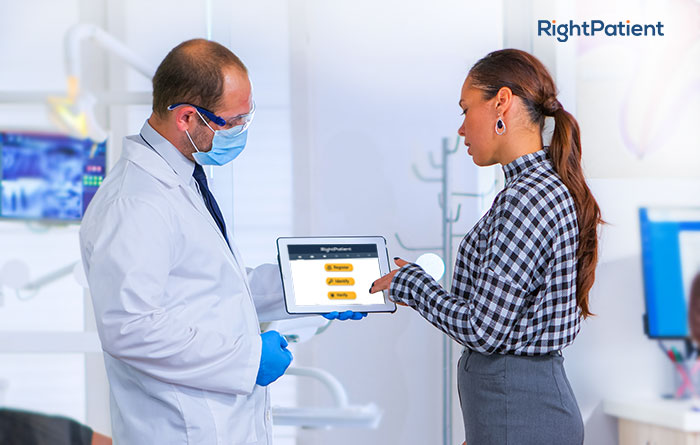
Quite naturally, it means that everyone knows about the cons of touch-based solutions. Most patient identification platforms require physical touches from patients – raising infection control issues. Fortunately, RightPatient is entirely touchless – it attaches a photo and biometric data of the patient with their EHR. After enrollment, all a patient needs to do is look at the camera – the platform performs a search and provides the appropriate medical record in seconds. 

Moreover. RightPatient is versatile enough to be used at any touchpoint within the healthcare facility, making it feasible for telehealth sessions. Patients are sent an SMS or email after they schedule appointments. They are required to provide a selfie and a photo of their driver’s license – RightPatient automatically compares the pictures, ensuring remote authentication. 

RightPatient not only solves a crucial problem of healthcare providers (patient misidentification), but it also helps improve patient safety, reduce duplicate medical records, and prevent medical identity theft effectively. Be a responsible healthcare leader now and use RightPatient to improve your bottom line by improving the quality of care for patients.

Exploring-the-Top-Healthcare-Tech-Trends

Exploring the Top Healthcare Technology Trends 

Exploring-the-Top-Healthcare-Tech-Trends

Technology advancement has revolutionized the healthcare industry. Latest technologies are innovated to diagnose and treat lethal diseases. People have also become health conscious and they try to use the latest technologies to know about their health conditions. As the pandemic has hit the world badly, it has changed the landscape of the healthcare market. People used to visit doctors before, but now they prefer to take a doctor’s assistance online while maintaining social distancing. 

Exploring-the-Top-Healthcare-Tech-Trends

Along with telehealth, many other tech trends are revolutionizing the healthcare industry. Let’s take a look at the top healthcare technology trends in 2021.

TeleMedicine

COVID-19 has given a great boost to telehealth resources. According to the statistics of April 2020, 43.5% of people followed telehealth methods rather than in-person visits. In the pandemic, people are asked to avoid social contact so telehealth methods help to take medical assistance while staying at home. It is expected that telehealth methods will continue to proceed even after the pandemic is over. Statistics show that 50% of people had already used virtual appointments and 71% of patients in the US used telemedicine at the start of the pandemic. 

The best part of Telemedicine is that people are comfortable with this service and they are adopting it without any hesitation. Thus, the future of Telemedicine is very strong. 

One of the important devices used in healthcare is fitness trackers. Through fitness trackers, they also check the overall wellness of the people. The pandemic has given a great boost to telehealth service and it is expected to reach $185.6 billion by 2026. 

The advanced telehealth service is telemedicine apps.  One of the famous apps is WebRTC, it uses the API system to connect web-browsers with mobile applications. This app is famous among patients because of its versatility. It provides features like video chat, screen sharing, text, and file transfer. Electronic health records EHR are integrated into your telemedicine app. It helps healthcare providers and patients to watch their medical records in this app. 

Interactive Voice Response is used to interact with the patients through digital speech. Apple Health Kit and google fit can be integrated with the app so that people can check the health information on their smartphone. While developing this app, it is essential to consider what features they should have. The features that should be looked upon are appointment management, location services, security, secure messaging, audio-video communication, visitors’ history, healthcare provider reviews, and virtual testing through wearable integration.  The accessibility and security of this app make it a great need for healthcare technology.

However, experts are worried that hackers will turn their attention to telehealth sessions and steal patient information. Healthcare providers need to ensure that patient information is protected even during remote sessions.

Fortunately, RightPatient can help with that. It is a touchless biometric patient identification platform that attaches patients’ photos and their biometric data to the EHRs during registration. RightPatient is also versatile enough to be used at any touchpoint – even during telehealth sessions, protecting patient data and preventing medical identity theft.

Internet of Medical Things (IoMT)

Many mobile apps and various devices are used to track and prevent chronic illness in patients. The development of IoT with telehealth and telemedicine technologies has resulted in the emergence of the new internet of medical things (IoMT). This includes the use of wearables like EKG and ECG monitors. They help in detecting blood pressure readings, glucose levels, and skin temperature.

It is expected by 2025, the IoT industry will be worth $6.2 trillion. In this time of the pandemic, IoT technology is widely used and 30% of the market share for IoT devices is derived from healthcare. The first delivery method in IoT took place in 2017 by the FDA when they approved the smart pill. IoMT is also giving effective options to their patients. Providing different options with different devices is full of challenges.

Manufacturers are using proprietary protocols while communicating with devices. This can create a problem when you have to collect large data from the servers. Connectivity issues can also prevail in smartphones and microcontrollers because of many environmental factors. The Buffering problem needs to be addressed to maintain a better connection. Security concerns also need to be taken care of. The report from the Ponemon Institute’s sixth annual benchmark study on the security and privacy of healthcare data says that 89% of healthcare operations are the result of the data breach.

Use of Artificial Intelligence in COVID-19

Artificial Intelligence is playing a pivotal role in this period of the pandemic. It helps in pandemic detection, analyzing CT scans, facial recognition with masks, vaccine development treatment, and vaccine development. 

a) Pandemic Detection

BlueDot, an application developed in Canada, is the first to detect COVID-19. Bluedot’s system is scanning over 100,000 media sources from around the globe in more than 65 different languages. It helps to identify real dangerous breakthroughs of a pandemic. To know the intensity of the pandemic, the following factors are analyzed:

  • Examining the regional and global climate conditions.
  • Analyzing the data of itineraries and flights.
  • Looking into vaccine development.
  • Examining the animal and insect populations.
  • The capacity of health systems.

As per the Brookings Institution, in the development of the new vaccine, the response of immunogenic viral components is taken from the immune system. Machine learning has assisted immunology. Artificial intelligence helps to identify the properties that are needed to combat the pandemic. Machine learning provides data with great speed, efficiency, and precision that cannot be developed by human work alone. With the help of machine assistance, immunologists have identified over one million fragments of proteins on the cell’s surface.

“SYGFQPTNGVGYQPY” is a portion of COVID-19 that needs to be fragmented to know more about the pandemic. Machine learning is helping in this regard and COVID-19 vaccine development is in process.

b) Thermal Screening

Many thermal screening devices like non-contact infrared thermometers and a variety of thermal screening systems are used to detect the temperature of human beings. AI can detect the temperature of many human beings at once. Thus, it is widely used in the diagnosis of COVID-19

c) Analysis of CT Scan

Humans can make an error in the analysis of CT scans. Artificial intelligence can detect pneumonia caused by COVID-19 in the chest scan. Chest scans are taken by utilizing the data taken from machine learning.

d) Facial Recognition while wearing Masks

Machines used in facial recognition can identify people wearing the mask with 95% accuracy.

Robotics

In surgical departments, many collaborative robots like the da Vinci surgical robot are working to assist doctors in doing surgeries. The use of robots is not limited to the surgical department. They are also used in other healthcare departments. The robotic industry is making progress by leaps and bounds and it is expected to reach $ 20 billion by 2023. The robots are helping the doctors to treat the patients from remote areas with telepresence, for example, helping patients with rehabilitation and prosthetics, disinfecting the hospital rooms, packaging medical devices, and automating labs. Other medical robots include micro-bot. They are used in the therapy of the specific part of the body like clearing bacterial infections or giving radiation to a tumor.

Augmented Reality and Virtual Reality  

Augmented Reality and Virtual Reality are very important technologies that are being used to assist telehealth in the situation of the COVID-19 pandemic. From treating the patients and helping the medical students in procedure simulations, this innovative technology is altering science fiction to reality.

AR and VR technology are helping to treat stroke victims by overcoming motor deficiencies. These stroke patients are taken to such a virtual and simulated environment that can help in regaining their motor skills. They provide the flexibility that cannot be attained by physical therapy. Controlled simulations also help to gather data that can be used to make care plans for patients.

Maplewood Senior Living in Connecticut is successfully using VR headsets to work with those patients that are suffering from Dementia and cognitive impairments. The environment created by augmented and virtual reality produces such medical results that cannot be gathered by the normal environment. This helps patients in reviving their memory and improving their health. Augmented reality also helps healthcare people to provide personalized services. They take information in 3D space according to doctors and surgeon’s vision. This real-time access can help them devise medical procedures. This also made students learn from procedures and doctors compare and use data for an accurate diagnosis. 

5G

To provide healthcare services to the patients that are residing in any remote and under-served area, speed and quality are very important to get desired outcomes. 5G is helping healthcare organizations by providing them with the transmission of large imaging files so that doctors can review and advise on patient care treatment. 

Wrapping Up

The medical and healthcare field is very important for human survival. The diagnosis and treatment should be given to patients on time so that they can combat the disease and start living a healthy life. Telemedicine, the Internet of Medical Things (IoMT), Robotics, Augmented and Virtual reality, and 5G are technological trends that are used to provide incredible health facilities to billions of people around the globe. These medical technologies are also helping healthcare systems to cope with increasing demands.

Improve-the-efficacy-of-clinical-trials-with-RightPatient

Prevent “Professional Patients” in Clinical Trials with an Effective Patient Identifier

Improve-the-efficacy-of-clinical-trials-with-RightPatient

COVID-19 has changed reality as we know it since it was first detected. Everything and everyone has been affected, and now, it has reached every continent in the world. But we are hearing all around us that there is light at the end of this very long and dark tunnel. Fortunately, after months of struggle and research, several vaccines have been approved for emergency use. Researchers have worked tirelessly to come up with these vaccines, but there are several factors that could have jeopardized the vaccines – one of these is professional patients that participate in clinical trials. Let’s take a look at what professional patients actually are, how they hamper the integrity of clinical trials, and how an effective patient identifier can help prevent them.

Improve-the-efficacy-of-clinical-trials-with-RightPatient

Clinical trials are more crucial than ever

Clinical trials occur on a regular basis and they are an integral part of healthcare. They lead to new drugs, treatment, and medical devices that reduce recovery times, improve healthcare outcomes, and treat complex or deadly diseases. However, as of now, everyone’s focus is on creating vaccines for COVID-19, which is why clinical trials have been in the spotlight for most of the year.

Clinical trials are quite lengthy and can be risky, but offer the reward of helping scientists arrive at key breakthroughs in healthcare. However, one of the trickiest parts is to recruit patients that fit the requirements of the trial. The volunteers are compensated handsomely and receive treatment for the conditions, but only after thorough background checks are conducted to identify any discrepancies.

That being said, factors such as the existence of “professional patients” can significantly hamper the efficacy and integrity of clinical trials. They can jeopardize years of research, cause millions in losses, and cause promising drugs to remain unapproved. Since there is no effective patient identifier used in clinical trials, professional patients mostly get away with hampering the trials. But what exactly are professional patients, and what are their motivations? 

Professional patients in a nutshell

Professional patients are those individuals that participate in clinical trials quite frequently, and many of them even participate in multiple trials at once. Yes, there are many types of professional patients. However, all of them create data quality issues and inconsistent results and are a hazard to sponsors, CROs (clinical research organizations), and drug companies.

An-effective-patient-identifier-like-RightPatient-prevents-professional-patients-in-clinical-trials

The first type of professional patients is simply those who have the required medical condition(s) and participate in clinical trials for financial gains. They usually cannot afford treatment for their medical conditions, and thus sign up at multiple facilities, either one at a time or simultaneously. Since they get exposed to multiple untested drugs and receive multiple doses of said drugs, they severely impact the data quality, their own health, and might cause promising drugs to not leave even the initial testing phases.

The other type of professional patients is those who have the required condition(s) but are not in it for the financial benefits. Instead, they falsify information down the line for something far more dangerous. These patients fake results not because they want the treatments; they want regular access to the drugs. These patients are common in treatments regarding addictions. 

The final type of professional patients is those who falsify information. They don’t have the medical condition(s) required by the trial but want to be a part of it. Not only do they falsify information during enrollment, but they can also give false information during the trial itself, which is extremely dangerous! It leads the researchers to make decisions based on incorrect information and can cause the trial to shut down. 

The lack of an effective patient identifier costs millions

Drug companies, sponsors, and CROs pour an enormous amount of time, money, and resources into clinical trials. Unfortunately, all of these are rendered useless by professional patients, and the unreliable data created by these individuals can cost millions. However, the best way to detect and prevent such cases in clinical trials is by using an effective, experienced, and well-reputed patient identifier.

An effective patient identifier ensures the integrity of clinical trials

RightPatient is the leading biometric patient identification platform trusted by several healthcare providers. Used by over 80 hospitals and thousands of clinics, RightPatient is the perfect solution to prevent professional patients in clinical trials.

Patients are assigned a single and unique biometric identity during registration, and they can be identified using mobile devices as well. If professional patients come in, the system can simply red flag them, if registered, and prevent them from participating in the trial, ensuring data integrity in clinical trials. 

Use RightPatient and avoid millions in losses, improve the efficacy of clinical trials, and optimize operations – contact us now to learn how we can help.

What-Makes-PPO-Insurance-So-Interesting

What Makes PPO Insurance So Interesting?

What-Makes-PPO-Insurance-So-Interesting

If you want a flexible health insurance plan that puts you in control of your coverage, you should consider PPO insurance. PPO insurance comes with more freedom of choice when choosing healthcare providers. These insurance plans are also relatively affordable, making them a good choice for those on a budget or looking for cheap health insurance.

What-Makes-PPO-Insurance-So-Interesting

Let’s take a closer look at PPO insurance and answer the question of what makes PPO insurance so interesting.

How Does PPO Insurance Work?

Let’s begin with the basics and look at how PPO Insurance, or Preferred Provider Organization insurance, works. These insurance plans are insurance products where you get the freedom of choice over primary and specialty care providers. Most policies cover you for all across the United States. Some PPO insurance policies even cover international travel.

As a PPO plan member, you’ll save money when you choose a service provider from within an insurance network. However, you can still get some coverage when choosing a provider outside of the network. Please note that choosing an out-of-network provider means you’ll have to pay more out-of-pocket.

Your insurance provider will give you a list of all of the practitioners and facilities within their network. You can choose from the service providers in your area to get all of the healthcare you need at a preferential price. As the healthcare you get from network providers is cheaper, we recommend choosing a doctor or facility within the network whenever possible to save the most money.

What Makes PPO Insurance Interesting?

PPO Plans are Adaptable

The most-touted benefit of signing up for PPO insurance is the adaptability of those programs. We are confident that you will be able to find a plan that suits your needs and preferences. These plans stand out against other healthcare plans that aren’t as flexible. PPO insurance allows you to search for treatment from any medical provider or physician, no matter your health and needs. You won’t have to obtain permission from a primary care provider to get coverage at a different medical facility. These plans work around you, rather than needing you to work around them.

In fact, one thing that makes these plans exciting is that you don’t even need to have a primary care doctor. PPO insurance puts the power in your hands and lets you take the right course of action for your needs. The adaptability of PPO plans means that you can schedule appointments and get treatments without having to ask for a referral from your primary care provider. The power is in your hands.

PPO Plans Offer Network Flexibility

To go back to the subject of network flexibility within PPO plans once again, you also have the option of staying within your network of providers or seeking outside help. The good news is that you won’t feel limited by the network of preferred providers. Insurance providers are continually arranging new deals and adding to their networks. Even if you stick to the network every step of the way, you’ll find you still have an excellent selection of care providers compared to other insurance plans. PPO insurance networks tend to cover a lot more ground than the average insurance plan.

It would help if you discussed how a company chooses contracted providers for their network. Ensure that the company performs background checks on providers, including checking for a history of malpractice claims. There are plenty of excellent PPO insurance providers out there that offer great care with greater flexibility, but you should always ask questions and be informed before making a choice.

PPO Plans Put You In Control

The most significant advantage of choosing a PPO insurance provider is that you are in charge of personal health care decisions. You have the power to choose which treatment options you want and who you want to receive it from. Being able to contact doctors and book appointments within your network without having to gain approval combined with the option to seek out-of-network care with partial coverage is what makes these plans so unique and interesting.

You aren’t bound to a primary care physician’s whims and decisions when you choose PPO insurance. You don’t have to spend the time, effort, and money involved with finding a doctor that would be better for you. Instead, you can see specialists when you need one, whenever you want.

Preferred Provider health insurance is interesting because it does away with all of the red tape and referrals involved with standard health insurance. It puts the power back in the patients’ hands and lets you choose the healthcare you want.

Whenever the topic of health insurance arises, medical identity theft is not far behind, unfortunately. When it occurs, a fraudster can gain access to the victim’s healthcare services, obtain medical devices, and drugs, all of which are billed against the victim. Patients not only lose money, but their EHRs are also affected, as the fraudsters’ information gets recorded within their EHRs.

Fortunately, many hospitals are preventing medical identity theft in real-time using innovative solutions – one of which is RightPatient – a touchless biometric patient identification platform. By locking the patient records with their photos and biometric data during registration, it red-flags fraudsters during the verification process where they need to look at the camera. Upon looking at the camera, RightPatient compares the saved photo with the live one, verifying authentic patients and red-flagging fraudsters, preventing medical identity theft in real-time.

Final Words

You have a lot of choices when it comes to healthcare and health insurance. PPO insurance is an option that lets you seek the healthcare you need when you need it. You can save money by choosing an in-network healthcare provider, but you can also get partial coverage for out-of-network care. You’ll never have to foot the whole bill, and you’ll never be caught out without some partial coverage at the least.

RightPatient-ensures-patient-protection-during-telemedicine-sessions

4 Practices Regarding Telemedicine That Enhance Patient Protection

RightPatient-ensures-patient-protection-during-telemedicine-sessions

COVID-19 is a phenomenon that will impact us for years to come, if not decades. It has shaken the entire world to its core and has changed everything we know. COVID-19 affected our daily lives, changed the way we interact with others, and made masks as well as sanitizers crucial necessities. Since many of the COVID-19 patients required urgent care, the US healthcare system had to come up with other ways for hospitals to serve non-COVID-19 patients without exposing them to the virus. Fortunately, tailor-made solutions already existed – telehealth and telemedicine being the biggest players. As a result, hospitals have been diverting a significant portion of their non-critical patients to virtual sessions – changing healthcare and the patient experience forever. That being said, let’s explore what the patients think about telehealth, what experts are saying about it, and how to ensure patient protection while improving quality and safety in healthcare facilities.

RightPatient-ensures-patient-protection-during-telemedicine-sessions

How telemedicine came into play

Since the novel coronavirus hit the US, it has been overwhelming healthcare providers, their frontline teams, and virtually everyone who is involved in the caregiving process. Due to capacity restrictions and patient safety concerns, caregivers had to redirect at least one-third of their less critical patients to telemedicine. Naturally, its usage shot up significantly in the beginning, and while it has been declining for some time, it is expected to increase as COVID-19 cases are once again rising. The bottom line is that telemedicine and telehealth are here to stay, although some issues need to be addressed.

Let’s take a look at what over a million end users, i.e. patients, think of telemedicine, according to a recent survey by Press Ganey.

Patients’ perceptions regarding telemedicine

The first thing to highlight is that while most patients do appreciate the convenience telemedicine offers, it has a lot of wrinkles to iron out to make it seamless and more effective.

The good things

While many patients were being exposed to virtual visits for the first time, they did find it satisfactory. Many even said that they were likely to give good ratings to their caregivers after virtual visits, just as much as they would during inpatient ones. Telemedicine could successfully lead to a bond between the patient and the physician, and many patients felt that their physicians were more attentive during these virtual sessions. A patient even noted that during inpatient visits doctors would be looking at their computer screens anyway, which felt like they were distracted. During the virtual visits, however, the doctor had direct eye contact with her. 

RightPatient-is-feasible-for-telemedicine-sessions

What needs improvement

While telemedicine itself is good, the process and ease of getting to virtual visits are not – these need significant improvements, especially with scheduling sessions and making audio or video connections.

However, there are a few more issues that require attention which, according to experts, might hamper patient protection – let’s dive in.

Experts are worried about patient protection

Healthcare data breaches have been increasing significantly, and are occurring even now. Moreover, the risk of a breach is higher during virtual sessions, ultimately endangering patient data. Healthcare providers need to strengthen their security measures and ensure patient protection during virtual visits. With restrictions eased regarding communication tools like Zoom, Skype, and similar utilities, as well as hackers turning their attention to virtual sessions, patient data security is at more risk than ever.

Practices that improve patient protection during virtual visits

Provide training and ensure awareness 

There is nothing more effective than raising awareness among your employees, and the best way to do this is by providing them with training. Clearly explain to them the consequences of data breaches, and also provide them with sessions where they can learn about the do’s and don’ts regarding emails, opening links, accessing patient data, etc.

Follow practices that safeguard patient information

Encrypting data might be the oldest trick in the book, but it can make it difficult for hackers to use the information.

A few practices must be followed to ensure patient protection during both virtual and inpatient visits:

  • Ensure that patient data is encrypted during rest and transmission.
  • Use reputed antivirus and firewall applications.
  • Use only verified and licensed software and keep them updated.
  • Restrict access to any unauthorized parties.

Use enterprise-level video conferencing platforms

While hospitals initially got the chance to use tools such as Zoom, Skype, Meet, etc., these have added cybersecurity risks. Telemedicine has grown significantly now, with many enterprise-grade platforms available that have enhanced security out of the box. While deploying them might be costly, they can be critical for ensuring patient protection during virtual sessions, eliminating the chance of hackers gaining access during these sessions.

Use solutions to mitigate risks and ensure patient protection

While there are many practices and strategies available that might strengthen cybersecurity efforts, hackers always come up with plans that ultimately could result in data breaches. Moreover, not all caregivers can upgrade their security measures due to several factors, especially budgetary constraints. As a result, having a response plan to mitigate the risks and consequences is crucial. Also, while it might seem like data breaches are unstoppable, medical identity theft is not – it can be prevented with RightPatient.

RightPatient is a touchless biometric patient identification platform that uses patients’ faces to identify their records. Moreover, it is versatile enough to be used at any touchpoint across the facility – making it perfect for virtual visits.

After scheduling appointments, patients need to provide a personal photo and a photo of their driver’s license; RightPatient automatically extracts the data and compares the photos for a positive match, verifying identities remotely. New patients are provided with unique biometric credentials. If a fraudster attempts to assume the identity of the patient, the platform will red-flag them, preventing medical identity theft in real-time. 

During inpatient visits, enrolled patients only need to look at the camera – the platform runs a search to identify the patient and provides the correct medical record within seconds.

By doing so, RightPatient can prevent medical identity theft even after data breaches, protecting patient information, eliminating litigation costs, and mitigating the consequences.

RightPatient-can-identify-patients-accurately-at-any-touchpoint

Improving Remote Patient Outcomes by Addressing 5 Elements

RightPatient-can-identify-patients-accurately-at-any-touchpoint

The pandemic has been an unprecedented event that has taken much away from us since it started. However, hospitals in the affected countries felt its heat the most, and arguably the worst affected one is the US healthcare system. COVID-19 forced hospitals to divert regular patients to telehealth, leading to the explosive growth that it very much needed. Since telehealth is here to stay, more and more caregivers are adopting it and allocating resources for their online patients. While doing so, healthcare providers need to ensure that patient outcomes are optimal and immaculate.

RightPatient-helps-improve-remote-patient-outcomes

Let’s take a look at five elements healthcare providers need to consider and address to improve the patient outcomes of their remote patients.

5 addressable elements that can improve online patient outcomes

Catering to patients’ expectations

While telehealth has been around for quite some time in the US healthcare system, healthcare providers and patients did not pay much attention to it. Experts kept arguing about its merits and drawbacks, whereas patients were reluctant to try it. 

Telehealth achieved mainstream popularity only after the pandemic hit the US, and after almost a year, both patients and caregivers still might need some adjustments. For starters, caregivers need to identify patients’ expectations and work on addressing them.

A seamless check-in process and reduced wait times are good starting points, as these are some common requests. Moreover, if there are any temporary issues with the service, patients need to be notified immediately to avoid dissatisfaction. Conducting small and engaging surveys is another good strategy to determine what patients expect during the virtual sessions.

Training telehealth staff members

One of the best ways to improve online healthcare outcomes is by ensuring that patients have the best possible experience, and that can be done only if the telehealth team works effectively.

As already mentioned, telehealth is quite new to virtually everyone, and providing training sessions to the telehealth teams is a must to ensure that they use this solution to its maximum potential.

RightPatient-can-identify-patients-accurately-at-any-touchpoint

Not only can training help improve efficiency, but it can also help caregivers provide patients with a seamless, intuitive, and engaging experience, improving patient outcomes in the process.

Ensuring ample security

Patient safety and confidentiality are necessities that any and all healthcare providers must ensure, and virtual sessions are no different. Something that is often brought up in regard to telehealth is security – data breaches are at an all-time high. Experts have been predicting that there will be fraudulent cases during telehealth sessions, as hackers and fraudsters may try to disrupt the entire session.

Hospitals and health systems must ensure that ample safeguards are used to protect patient information, prevent data breaches, and identity medical theft. Caregivers must go the extra mile and ensure that patient outcomes are error-free, safe, and optimal. 

However, while data breaches have so far been inevitable, medical identity theft is not. It can be prevented, but more on that later.

Ensuring reliability

A solution is as good as its reliability, and the same goes for telehealth options. Healthcare providers have a variety of options – they can either choose from the vast number of third-party solutions, or they can develop their own in-house. Whichever option they choose, healthcare providers must ensure that the solution is reliable and doesn’t break down unexpectedly or under pressure. If it fails, it can result in detrimental patient outcomes. For instance, equipment or technology breaking down in the middle of a telehealth session can be potentially dangerous for the patients, especially those who need urgent care.

While choosing third-party telehealth solutions, reading reviews can be quite helpful to determine their reliability. Also, pilot testing them provides a first-hand experience as to how reliable they are in real-time.

Ensure accurate patient identification for improved patient outcomes

Patient identification errors have been a prevalent but overlooked issue within the US healthcare system, and while many caregivers are still struggling with it during the pandemic, it will very likely be an issue during telehealth sessions as well. Imagine this: if the patient is misidentified right from the start and the wrong EHR (Electronic Health Record) is used, then the entire process will be full of errors. Moreover, as previously mentioned, medical identity theft during telehealth services is a growing concern. However, all of this can be mitigated with RightPatient.

RightPatient is a touchless biometric patient identification platform that is used by responsible caregivers to accurately identify their patients. It locks patients’ medical records with their photos and their biometric data during registration. Moreover, it is versatile enough to be used at any touchpoint across the healthcare facility, making it ideal for virtual sessions like telehealth and telemedicine. 

Patients receive an SMS or email after scheduling their appointments, after which they have to provide a personal photo and a photo of their driver’s license. RightPatient automatically compares the photos for a match, ensuring correct patient identification. 

Within healthcare facilities, the patient only needs to look at the camera – RightPatient performs a biometric search and provides the correct medical record after finding a positive match.

Not only does RightPatient prevent medical record mix-ups, but it also red-flags fraudsters, preventing medical identity theft even after a data breach and improving patient outcomes in the process.

Necessities for Your Healthcare Practice in 2021

As healthcare moves further into the 21st century, healthcare providers have access to better technologies and opportunities for care than at any point in history. However, with these new frontiers come new challenges and concerns. Properly managing these new obstacles is an essential aspect of modern healthcare, but the possibilities for improved health and patient service are worth the effort. Keep reading to learn about the necessities you should have for your healthcare practice next year.

Necessities-for-your-healthcare-practice-in-2021

Managing Costs

One of the most startling aspects of healthcare is the speed with which costs are increasing. For decades the cost of healthcare and healthcare spending as a percentage of the United States’ GDP have been trending steadily upwards, without any signs of slowing down. The reasons for this increase include an aging population, the cost of machinery and equipment, and inaccurate medical care. As such, it is imperative for your healthcare practice to examine ways to reduce costs for yourself and your patients.

There are several ways to do this. Eliminating paper health records can be an effective way to reduce storage space, reduce the time associated with record-keeping, and reduce the need for resources like paper and printing. All of these benefits can make electronic health records (EHR) as a cost-effective option. Additionally, you can direct your marketing resources in ways that better reflect the current market. This can include incorporating more digital advertising into your marketing strategy as these avenues tend to be cheaper. Make sure to do your research in order to find the best option for your practice.

Integrating New Technologies

A key aspect of your practice must always include staying up-to-date on the latest technologies. This can really help elevate your healthcare practice. In some cases, this is because new procedures or techniques require specialized equipment. In other cases, new technologies can make it easier for you to provide efficient, affordable service to your patients.

EHR is a great example of a technology that has the potential to help you run a more streamlined practice. However, many healthcare professionals have experience with paper-based records. This means that using EHR requires more than simply purchasing a software system. It is essential to invest the time and training to make sure that professionals at your practice understand the software thoroughly to ensure that records are consistent, clear, and easily accessible.

Speaking of EHRs, there are times when patients are misidentified due to a number of reasons – they are assigned inaccurate medical records during registration. Duplicate medical records, medical record mix-ups, and overlays are just some examples, and patient misidentification can severely impact patient safety – jeopardizing healthcare outcomes. Fortunately, responsible healthcare providers are solving patient identification errors with RightPatient, a touchless biometric patient identification platform. It uses patients’ faces to identify their EHRs accurately and can be used at any touchpoint, starting from appointment scheduling.

Likewise, endoscopies and other procedures that rely on cameras can be a valuable tool to improve the health and quality of life of your patients. But, the equipment needed for them can quickly become obsolete, and incorporating such devices into your practice can require a great deal of time and financial cost. As you consider which technologies to use in your practice, pay careful attention to the demands of your patients, how long you plan to use a device, and the capacity of your space. 

Excellent Management and Necessary Care

One of the most important parts of your healthcare practice should be excellent management. It is important to invest in ways to make the experience for patients even better than anticipated every time they visit. For example, excellent healthcare management can be choosing the type of best type of lighting for an operating room or comforting lighting in a lobby for visitors. This can help people to feel more comfortable overall in your office.

Because of the high costs associated with nearly every aspect of the healthcare system, it is essential that your practice recommend and provide the best care possible. According to Forbes, one of the leading factors in the increase in healthcare costs is providers recommending care that is not necessary. In addition to charging patients for care that they do not need, providing unnecessary treatment requires you to purchase supplies and equipment. This can lead to a cycle in which you purchase equipment that might not be a good fit for your practice. In turn, you could continue recommending unnecessary care to pay for that equipment. Moreover, unnecessary treatments cause healthcare costs across the country to increase which will further impact your bottom line.

Another related concern is providing ineffective or harmful care. Beyond the fact that providing care to fix a medical mistake, or paying a settlement, can cost your practice money, it also erodes public trust. The best way to ensure that patients continue to return to your practice is to treat them as well as possible the first time.

Conclusion

As your practice strives to serve your patients as well as possible, the value of effective planning and conscientious treatment is hard to overstate. By paying attention to cost factors and using your resources well, you can take good care of your patients as well as your practice. In addition to earning the trust of your customers, taking care of these details can help your practice thrive for years to come.