The-Influence-of-Medical-Technology-on-Reducing-Patient-Misdiagnosis-Rates

The Influence of Medical Technology on Reducing Patient Misdiagnosis Rates
The-Influence-of-Medical-Technology-on-Reducing-Patient-Misdiagnosis-Rates

One of the biggest challenges for medical professionals over the decades has been properly diagnosing patients. This feat becomes even more difficult when medical institutions are understaffed and each doctor and nurse must treat scores of patients on a daily basis. 

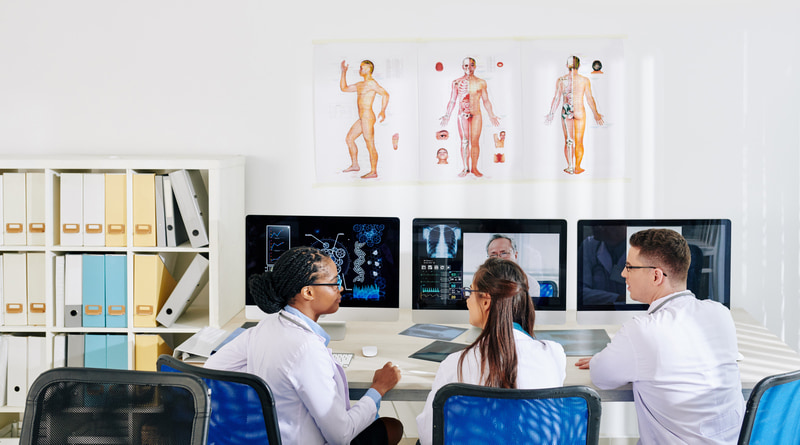
While society is still searching for solutions to solve the crisis of understaffed medical facilities, there are some key solutions that help healthcare professionals efficiently and effectively diagnose patients. In particular, technology is playing a crucial role in helping patient diagnosis increase in accuracy across the country. 

Given the immense impact of technology on diagnostic processes in modern healthcare, those interested in the field can bolster their understanding of it by gaining perspective on tech’s current role in healthcare. 

Here’s the influence of medical technology on reducing patient misdiagnosis rates. 

Why Misdiagnosis Happens

One key reason that medical professionals need so much schooling is because the human body is incredibly complex and the ailments it can experience are no less so. This being the case, doctors must spend years developing a thorough understanding of different ailments and how they manifest themselves in patients’ bodies.

Sadly, however, this feat is often easier said than done. For one, many different ailments — ranging from mild to severe — can manifest in the body with similar symptoms. As such, doctors, nurses, and other medical professionals often have a difficult time pinpointing which ailments are causing specific symptoms. 

Beyond different ailments giving patients similar symptoms, some incredibly severe diseases and illnesses manifest themselves in patients with mild or even seemingly non-existent symptoms. As a result, even the best medical professionals are at risk of overlooking key symptoms and misdiagnosing patients. 

To make matters even more convoluted, each patient has their own unique biology that changes the way their body may react to various illnesses. What these examples highlight is the immensely difficult nature of diagnosing patients for medical professionals. Fortunately, however, technology is now presenting itself as an effective solution for this age-old medical challenge. 

The Modern Role of AI, Machine Learning, and Data Science in Patient Diagnosis

Though only mere decades ago it would have seemed like a plot element from a science fiction novel, today, artificial intelligence is helping healthcare professionals perform their roles more effectively. 

In particular, machine learning — which is a type of artificial intelligence — has been at the forefront of cutting-edge medical technology in modern times. Put simply, this form of AI technology is able to learn over time as a result of being exposed to new data. In the realm of healthcare, this means it becomes better at diagnosing patients as a result of being exposed to more patient data. 

As such, exploring how doctors and nurses utilize this tech is key to understanding how healthcare is evolving in the modern age. 

Essentially, each patient has unique factors that put them at risk of developing various ailments. These factors include their specific biological makeup, such as their heritage, and the habits they engage in that can have an impact on their health. 

Whereas doctors used to have to diagnose scores of patients using a mixture of experience, knowledge, and instinct, this is now beginning to change thanks to AI technology. 

Instead of taking a guess, medical professionals can utilize machine learning software to engage in effective and efficient evidence-based practice when diagnosing patients. Ultimately, this results in not only quicker patient diagnoses but also more accurate patient diagnoses. 

The process begins with a doctor recording all of the symptoms that a patient is experiencing into machine learning-powered software. In addition, the doctor will upload patients’ personal information, such as their age, medical conditions, and habits. 

After this, the machine learning software will compare a specific patient’s symptoms and information to that of scores of other patients in its database. What this results in is a clear, efficient, and accurate diagnosis that takes an immense amount of data into account. 

Beyond diagnosing symptoms, this technology is also being used to detect what types of illnesses patients are at a higher risk of developing. As a result, patients are able to receive better preventative care and significantly increase their chances of experiencing optimal health outcomes. 

As can be seen, technology is emerging as a powerful tool in the medical space that allows doctors, nurses, and other medical professionals opportunities to perform their roles more effectively. Ultimately, this is resulting in many patients experiencing better health outcomes and living better lives than they would have without the help of medical technology. 

Technology is Revolutionizing the Diagnostic Process

While doctors and other medical professionals play an incredibly important role in modern healthcare, their abilities as humans have limits. Fortunately, new technology is helping to expand these limits and increase their ability to diagnose patients accurately on a consistent basis. As time goes on and this technology becomes more refined, many are excited to see what new and innovative ways tech will benefit healthcare.
The Benefits of Biometrics for Firefighters

The Benefits of Biometrics for Firefighters

The Benefits of Biometrics for Firefighters

All medical professionals and patients can benefit from biometrics as it simplifies the assessment and treatment process. When looking at the context of specific patients who can take advantage of this technology, firefighters are one of the frontrunners. 

First responders have to handle life-threatening and property-damaging situations. They face peril and complications throughout the majority of their career. To make sure firefighters are safe and sound, it’s a necessity to have biometrics.

Biometrics’ Reputation in Health

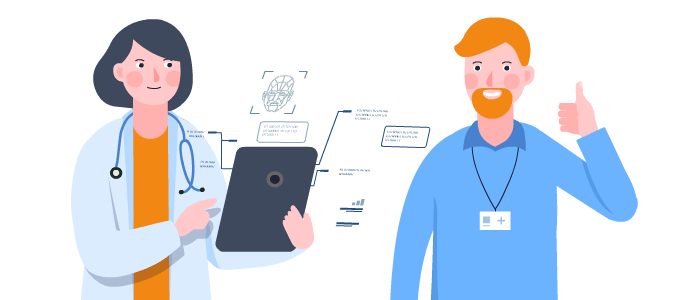
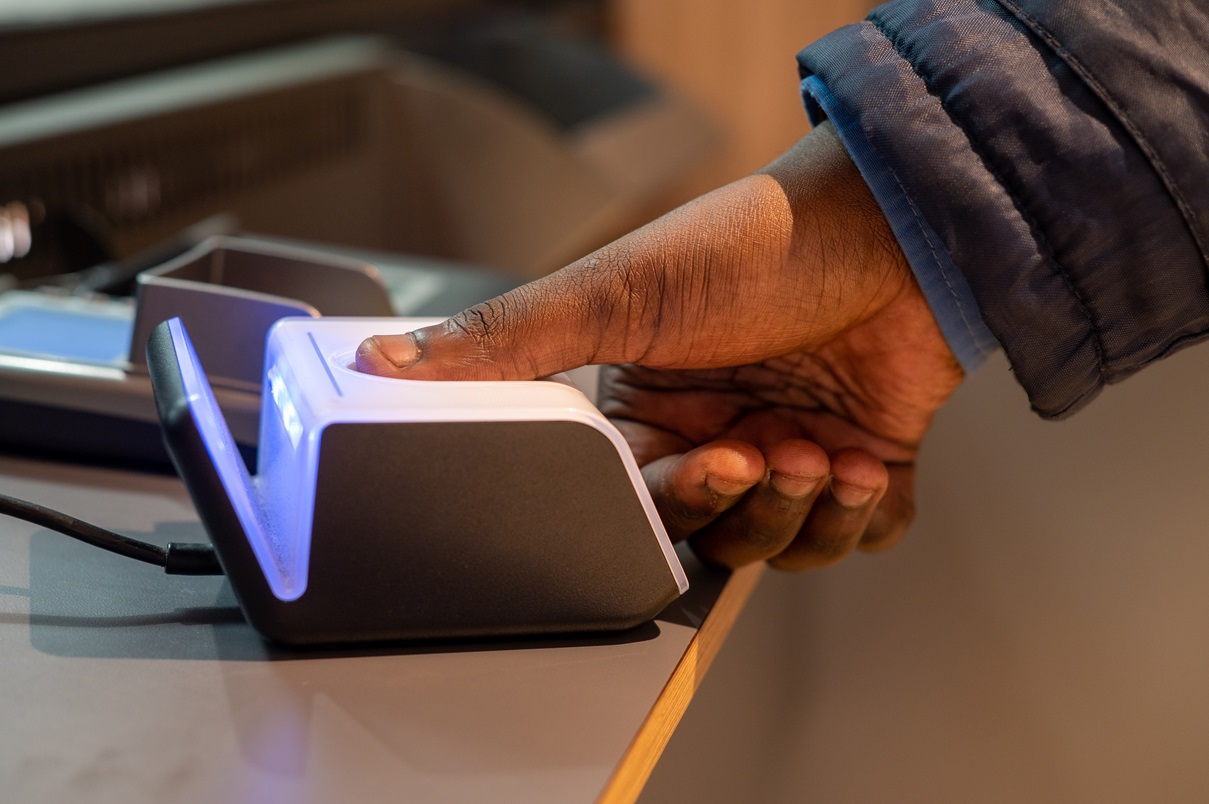
Biometrics in health is primarily known for cybersecurity. Two-factor authentication through its unique recognition of individuals and their physical characteristics like their fingerprint or facial structure helps with identification and accessibility. However, developments in biometric technology soon recognized how these devices can take on more biological measurements.

Due to the accuracy of calculations, biometrics has become highly regarded by many health professionals. Integrating this technology can lessen medical errors and maximize patient comfort throughout treatment. Extending its use to more dangerous societal roles like firefighters can bring benefits.

How Biometrics Benefit Firefighters

Look at biometrics as potential equipment for a firefighter. Although it seems like there’s a disconnect, it’s simple to connect the dots to understand how this technology can protect and secure a patient’s life.

Track Position During Crisis 

Firefighters have to respond to fire emergencies and prevent them from spreading into communities. There were only about 676,900 volunteer firefighters in the U.S. in 2020, a record low from previous years. With fewer firefighters available, communities tend to suffer. Fewer firefighters overall means that the firefighters still in service need to optimize their processes as much as possible.

In a frenzy to address a fire crisis, the few firefighters available may fail to report their presence and position on site. Luckily, biometrics systems can assist with identifying and tracking emergency responders on the field. Authentication when accessing this data also makes location and other sensitive information more secure.

Constant Monitoring of Vitals

Another problem most firefighters face is the possibility of injuries or fatalities during emergency situations. Exposure to heat and smoke from fires can take quite a toll on their bodies. Using biometrics helps responders monitor their own personal temperature, heart rate, blood pressure and oxygen saturation.

During these accident cases, a fire chief and supervisor may be on-site to monitor the situation. Firefighters can use biometrics to transfer medical data from a remote monitoring device to their leader’s device. If something happens, they can be notified to assist or advise.

Real-Time Recognition of Exhaustion

Although firefighters are mainly known for fire suppression, they are also responsible for other operations. For example, they set up roadblocks to prevent traffic and fire accidents. They also assist in search and rescue operations when someone goes missing in the community. Having so many tasks can lead to plenty of exhaustion.

Biometrics can be incredibly useful in emergency services, but they are also good for non-urgent situations. Firefighters should recognize when their bodies are tired and need rest. The biological measurements that biometric technology takes can be a good indicator of those points. Once alerted, they can condition their bodies and avoid risking their health.

Immediate Medical Attention

Firefighters experiencing a fast heart rate or a spike in temperature can rely on medical professionals and get treatment. Use biometrics to monitor how a responder is doing. If a particular metric seems off, provide medical attention as soon as possible to prevent their condition from getting any worse.

Biometric technology can also help health professionals stay on standby for first responders. Heat stress and smoke inhalation can trigger immediate effects, but there are also long-term conditions like lung irritation and more. Stay vigilant for the first two days after a fire crisis to determine whether they recover fully.

For more non-critical situations, biometrics can still provide a good patient relationship between firefighters and medical professionals. The information can provide a good background on a first responder’s health. Coordinate on checkups to discuss how to prevent other complications from rising in the future.

Considerations with Biometrics for Firefighters

Biometrics can be quite a helpful tool for aiding firefighters in maintaining their health. However, several improvements can still be made with this technology. For instance, the wearability and accuracy of these devices still have to be explored. 

Firefighters usually wear multiple PPE gear depending on the task. A full face mask, fire-safe gloves and a heat-resistant suit can make it difficult for biometric devices to capture the biological information they’re programmed to take. Logistics need to be considered for proper measurement.

There’s also the case for medical security. While biometric systems can secure medical data, attackers may still bypass the safeguards and access the information. Develop the security aspect further to protect a firefighter’s privacy.

Equip Firefighters with Biometrics

Biometrics can still be improved, but its current state is still helpful to firefighters. Medical professionals should strive to recommend this technology to people in this career to safeguard their health and well-being in the long run. 

EMT-Proficiency-Why-Continuing-Training-Matters-for-Patient-Safety

EMT Proficiency: Why Continuing Training Matters for Patient Safety

EMT-Proficiency-Why-Continuing-Training-Matters-for-Patient-Safety

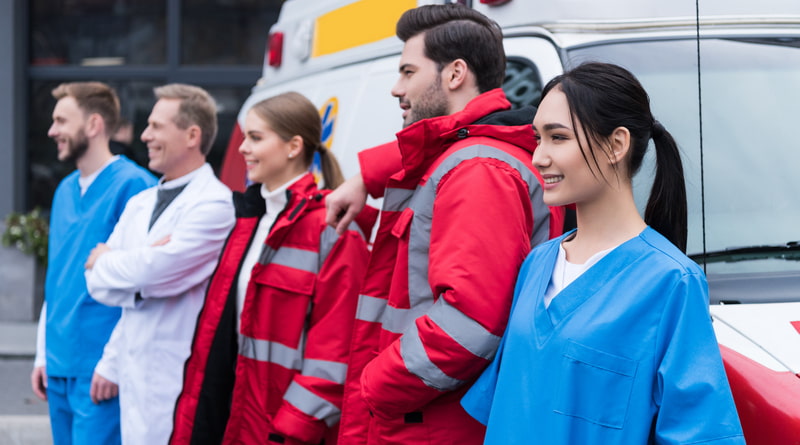
Emergency medical technicians (EMTs) serve as first responders in times of medical crises and emergencies. Their presence helps provide essential assistance, standing as the link between initial symptoms and definitive medical attention; something EMTs pride themselves in having done many times over. 

Their proficiency with lifesaving techniques and medical knowledge directly influence patient outcomes, thus making EMTs indispensable. This article highlights the significance of ongoing EMT training to safeguard both the safety and well-being of all involved parties in a medical emergency. 

Becoming an Emergency Medical Technician 

Becoming an EMT is an extraordinary journey marked by devotion, compassion, and an unwavering dedication to saving lives. EMTs undergo intensive training, typically by taking and successfully passing an approved EMT certification course that strengthens competency in communication and critical thinking skills, making EMTs better equipped to gather information, manage stress, and coordinate care for their patients. This allows faster diagnoses leading to targeted interventions.  

Skilled medical technicians are equipped with vital medical skills like cardiopulmonary resuscitation (CPR), airway management, and patient evaluation. These skills enable them to act quickly and efficiently in a variety of situations, from medical emergencies to vehicle accidents. As a vital link in the emergency medical services chain, EMTs collaborate closely with firemen, paramedics, and other first responders to deliver vital medical care in high-stress scenarios.

The Impact of EMT Training on Patient Care

EMT training has an enormously positive effect on both individual EMTs as well as overall healthcare outcomes, positively influencing safety and outcomes directly. With updated knowledge and consistent skills practice, medical errors relating to assessment, medication administration, or procedure execution can be significantly mitigated. 

EMTs equipped with cutting-edge knowledge and sophisticated skills excel at stabilizing patients, administering effective interventions, and ultimately increasing the chance of positive outcomes. Furthermore, an effective EMT workforce creates public trust in the emergency medical response system, giving those needing urgent healthcare confidence that they will receive high-quality assistance from qualified professionals.

Benefits of Continuous EMT Training for Patient Safety

EMTs who participate in continuing EMT training enjoy many advantages that translate directly to better patient safety outcomes and healthcare results for everyone they interact with. Here are some of the perks that continuous EMT training brings forth:

  • Reduce medical errors: Current knowledge and regular skills practice are proven ways of significantly decreasing errors associated with assessment, medication administration, or procedural execution.
  • Improve patient outcomes: EMTs who possess up-to-date knowledge and advanced skills are uniquely poised to stabilize patients, provide appropriate interventions, and increase chances for positive outcomes.
  • Enhance public trust: Well-trained EMT workforce builds public confidence in the emergency medical response system, giving those seeking urgent medical help the assurance of receiving top-quality treatment by qualified professionals.

Obstacles and Solutions for Continuous Training 

Continuous education has many proven advantages, yet certain obstacles may prevent EMTs from engaging. Here are just a few that might prevent continued study:

  • Time constraints: EMTs often work long and demanding hours, making it challenging to take time out for additional training. 
  • Financial Burden: Training costs may present significant hurdles, particularly for EMTs working for smaller organizations or living in areas with restricted funding sources.
  • Scheduling challenges: EMTs working rotating shifts often face scheduling obstacles when searching for training programs to fit with their work schedules.

The Importance of the Bond Between Patients and Health Providers 

Patients expect healthcare providers to protect the sensitive data pertaining to them with great diligence. This includes protecting personal details such as their medical histories, treatment plans, and insurance details. 

Employing software that utilizes encryption, access controls, and audit trails as safeguards against unauthorized access, can foster a safe environment in which healthcare delivery takes place.

Conclusion

Investment in EMT training isn’t simply an expense but also an essential step toward protecting patient well-being and maintaining EMTs’ proficiency during emergencies. By keeping pace with new technological advancements and honing their skills continuously, EMTs ensure patients receive nothing short of exceptional care at crucial moments.

Employers, government bodies, and training providers all play a role in supporting this effort by allocating resources and offering unwavering support to facilitate ongoing training initiatives. This way, an EMT workforce is capable of responding quickly when life-threatening interventions become necessary.