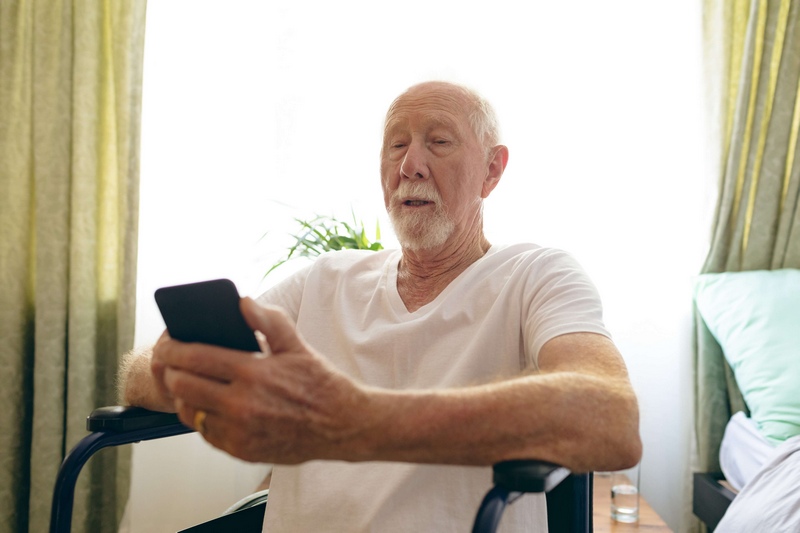
RightPatient-enhances-patient-identification-even-when-registered-patients-are-unconscious

Hospitals Need a Better Patient Matching System to Identify “John Does”
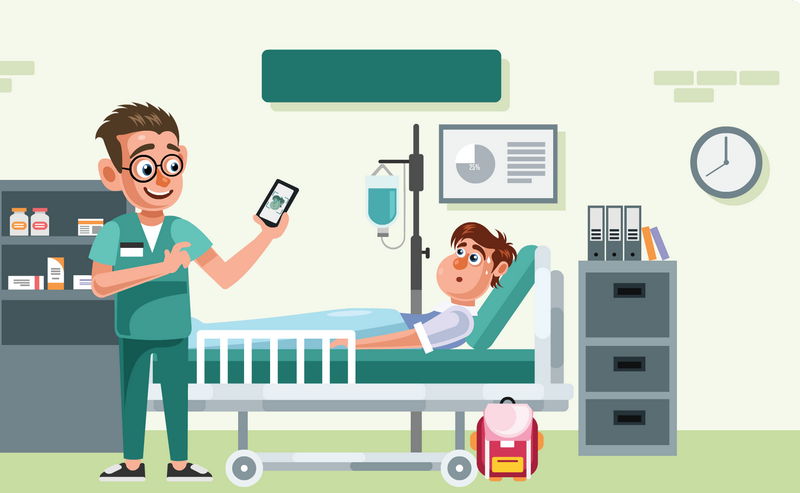
RightPatient-enhances-patient-identification-even-when-registered-patients-are-unconscious

Patient identification or lack thereof is a topic which we hear about every day. We always read news about mistaken patient identities due to mix-ups, frauds, insufficient patient matching system, etc. What about those who arrive at the hospitals and are never identified? Let’s look at these John Does but from a different angle – from the perspective of the emergency hospital staff who receive and treat them rather than from the outside viewer.

Use-the-leading-patient-matching-system-RightPatient

Imagine this: A man in his 50’s arrived in the emergency room, wheeled in by paramedics, shaven head, brown eyes, unconscious. To make matters worse, he had no materials on him that could have helped the staff with his identity for crosschecking with their patient matching system – no wallet, cellphone, papers, or anything at all. To top it all off, he did not have any distinguishing features such as a tattoo or scar. This incident was back in 2017 – a car hit him in January, and he was rushed in with a fatal brain injury to Los Angeles County+USC Medical Center. He did not have any visitors, nor was he ever reported missing. Sadly, he passed away being a John Doe, no one ever knowing who he was.

This is just one example of how serious and pressurizing it is for the hospital staff to deal with such emergencies regarding patient matching systems, primarily when they consist of a John Doe. In these cases, they are required to become a form of detective in order to determine the identities of these unknown patients when they arrive at the hospitals. This is done for several reasons: firstly, finding the identity helps with the treatment – the staff can then determine the patient’s medical history and whether he/she has any complications or not. Also, it allows them to find and contact a next of kin or close one to make any critical decisions if it becomes necessary. The identity also helps the hospital to contact the insurance company or government health programs, whichever the patient is associated with, regarding payment of their services.

However, there is a catch – federal laws concerning privacy make it difficult for the hospital staff to determine the unknown patients’ identities. In the previously mentioned example as well as in many similar cases, the team along with the social workers frantically rummage through whatever a John Doe brings with him – bag, clothing, phones without passwords, receipts, or whatever piece of document or device which can help them identify the individual and proceed to their patient matching system. Their efforts don’t stop there – they also question the paramedics and dispatchers. Tattoos, piercings, and scars are duly noted, and when all else fails, dental records are checked against the individual. However, because the police can only access fingerprints, it is often left unchecked, mainly because the police only involve themselves only when a criminal element is present in the situation.

These John Does are usually the ones hit by vehicles and had unfortunately left their IDs back at home, and can also be poor people with cognitive diseases such as Alzheimer’s. Other times, they are overdosed individuals. Unsurprisingly, socially isolated individuals like homeless people are the ones who are the most difficult to identify, and sadly, they are the ones who are the most common John Does in recent years.

The Health Insurance Portability and Accountability Act (HIPAA) was made to ensure the privacy of an individual’s medical data. However, in cases of these John Does, it can make patient matching increasingly difficult as the hospitals cannot release any information to those searching for missing family members regarding these patients. For instance, a patient with Alzheimer’s was admitted to a NY hospital with the name “Trauma XXX.” The police and his family members went in search for him several times at the very same hospital, but they were told nothing. Weeks later, a doctor while watching television saw that man in the news and identified him as the patient “Trauma XXX.” Afterward, when charged with why the hospital hid the patient, the staff said that they did not ask about “Trauma XXX” specifically.

Due to this incident, a lot of rules were set up and changed regarding information requests about missing persons. It consisted of following over twenty steps for hospitals, starting from notifying the reception, to taking DNA samples.

All of this could have been avoided if a fast, accurate, and reliable patient matching system was used. RightPatient is one such patient identification system that utilizes biometrics and AI. Through this, it uses iris scanning to quickly match the patients with their EHRs so that the whole patient experience can be enhanced. It also helps the physicians focus on more critical tasks such as the patients themselves instead of going through matching patients. Thus, not only is it beneficial for the patients, but it is also beneficial for the hospitals as well, creating a win-win situation for all and ensuring patient safety through the enhancement of the whole patient experience.


CircleCare-enhances-patient-engagement

Patient experience and patient engagement: Is there any difference?

CircleCare-enhances-patient-engagement

There are quite some differences between engagement and experience. However, in the healthcare industry, the terms patient engagement and patient experience are sometimes used interchangeably due to which people believe that they are the same thing, confusing. To clear it up – patient experience and patient engagement are not the same things.CircleCare-enhances-patient-engagement

In the healthcare industry, hospitals are assigning more resources than ever to improve the patient experience. Likewise, both technology and employees are being utilized to find out how patient engagement can be improved. Patient engagement has been becoming increasingly important because the patients are playing an active role as they use more smartwatches, keep track of their data like steps, blood pressure, and others.

Differences in patient experience and patient engagement 

Patient experience

Patient experience is the summation of all the experiences an individual has during his/her interactions with the healthcare system. It starts right from the phone call until the checkups. In between, there are more parts of the patient experience, like the visit to the hospital, the quality of the care provided by the hospital, billing experience, and can be many more varying on the situation. To sum it up, all these small interactions make up the entire patient experience. A key feature of patient experience is that the responsible party is the healthcare system and not the patient. Thus, it entirely depends on the healthcare provider whether the experience will be good or otherwise.

Patient engagement

On the other hand, patient engagement, as per its definition, consists of the steps an individual must take to acquire the maximum benefits from the available healthcare services. See the difference? It is quite clear from the definition itself. It puts the patients in charge of their healthcare. Various services are made available to the patient from the provider’s end. However, it is up to the patient whether he/she wants to avail those or not – the patient needs to act or engage with those services. For instance, CircleCare is a part of those healthcare services – it is an app through which the patient can participate in various engagement activities effectively.

In short, patient experience is the responsibility of the healthcare provider, whereas patient engagement is in the hands of the patients, provided that the services are made available by the hospitals. However, it is beneficial for both the patients and the healthcare provider if the patient engagement is increased, as it causes the patients to become more responsible and make the whole healthcare process easier for themselves and the providers.

One key patient engagement strategy for hospitals to use is patient retention apps. These apps help to keep the hospitals be in constant communication with the patients, making the recovery process more streamlined and help to retain them. CircleCare is such an app. It helps the patients keep records of their health data, track their steps, share updates, learn health tips, and share useful information within their circle. Once the hospital subscribes to CircleCare, the patient can download, register, and use right away – it is that easy! While engaging within the app, it helps the patients be proactive, live more healthily, and helps the hospitals by assisting them to retain the patients, creating a win-win situation for everyone involved.

CircleCare-can-reduce-hospital-readmission-rates

Ways in which patient engagement strategies prevent hospital readmission

CircleCare-can-reduce-hospital-readmission-rates

One of the main determinants of performance in the healthcare industry is reducing hospital readmission. In layman’s terms, it means that the lower the hospital readmission rate, the better the services are of the healthcare system. Many healthcare systems are trying their best to lower their readmission rates to save costs as well.

CircleCare-can-reduce-hospital-readmission-rates

Hospital Readmission Reduction Program (HRRP) was introduced by CMS in 2010 to deal with reducing hospital readmission rates. It has been successful, as it has helped to reduce readmissions by 8 percent.

On the surface, it might sound good and relatively easy. However, reducing hospital readmissions can be quite a challenge as it depends on several factors. Other than providing first-class care to the patients, the healthcare systems must also ensure the patients engage in post-discharge care management so that their condition becomes better, not worse.

How do the healthcare systems do that exactly?

Highlighting high-risk patients

During the post-discharge period, there are a lot of probable patients who might suffer from a medical issue. After identifying them, the task is to focus the engagement efforts towards these high-risk individuals. To determine the high-risk patients, the clinician can start looking at the healthcare conditions, which cause the highest readmissions. For instance, pneumonia, which is not caused by STIs or tuberculosis, causes 88,800 readmissions.

Not only medical conditions, but there are also other factors which can cause readmissions. Patients may have limited knowledge regarding specific topics. They may have limited health literacy, limited language skills, others may receive different information from different officials in the same healthcare system, and others can even be omitted from post-discharge care.

Patients can also be at risk of readmission if they are facing particular social determinants of health (SDOH). For instance, transportation issues, job security, and similar issues may prevent the patient from following up with the clinicians, which in turn will cause adverse health effects and thus readmission. Likewise, low earners will not be able to afford home care following the discharge.

The healthcare systems need to create follow-up procedures based on the above situations. By engaging with both the patients and their families and keeping in mind the SDOH, hospitals not only can make their follow-up strategies better but also help reducing hospital readmission.

Another solution to all these problems can be CircleCare patient retention app. It can provide essential health tips to the patients, keep track of their steps, maintain their medicine schedules, and also be a medium of communication with the hospital. After the hospital subscribes to CircleCare, the patients only need to download the app to use these benefits, which can help reducing hospital readmission significantly.

Engaging both patients and their family members

In the recovery phase, it is best to involve and engage not only the patients themselves but also their family members. This will help as the family members are aware of the patient’s preferences and thus can make him/her feel more comfortable as well as follow the instructions of the hospitals. This helps reduce the readmission rate by 25 percent for 90-day readmissions and 24 percent for 180-day readmissions.

Also, it is an excellent strategy to provide the guidelines in writing during the patient’s discharge, as it gives a detailed description for the patient to follow post-discharge. Statistics support this, as patients who were not provided with any detailed guidelines had 24 percent more chance to be readmitted.

Acknowledgment of SDOH

No matter the strategies, some patients may not be able to comply with the post-discharge and follow-up guidelines, which may not even be there fault. The SDOH can act as a barrier to their betterment.

According to Health Services Research, if the SDOH were factored into the HRRP, 21.8 percent penalty reduction would take place.

SDOH is not considered in the HRRP. The hospitals can provide questionnaires to the patients or their family members to find out whether they face any of the SDOH or some other barrier while availing post-discharge healthcare and follow-ups.

CircleCare

As there are various problems which might be faced by the patients – SDOH, lack of written instructions, or others, the best possible solution would be to give them something which they can access according to their convenience. CircleCare can not only engage the patients, but also keep track of their information like blood glucose, blood pressure, and remind them of their medicine intake. It also provides the patients with health tips and rewards and can be used to provide detailed instructions post-discharge as well as share health updates with the hospitals. All this will not only help improve the health of the patients, but it will also be a platform where the patients can be more engaged with the hospital by sharing their health-related statistics so that the officials can provide proper feedback. This, in turn, will cause patient satisfaction to rise, and ultimately, patient retention will be achieved.

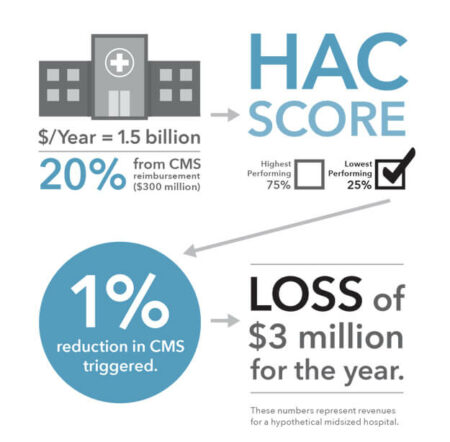
Statistics regarding how low HAC score reduces CMS and incurs loss

CMS cuts payments to 800 hospitals for patient safety incidents – is yours next?

Statistics regarding how low HAC score reduces CMS and incurs loss

Patient safety incidents should be taken seriously by all hospitals. Unfortunately, CMS is penalizing 800 of them for having the highest rates of patient injuries and infections. The agency will trim these hospitals’ Medicare payments in the fiscal year 2019.

Statistics regarding how low HAC score reduces CMS and incurs loss

The HAC Reduction Program is a Medicare pay-for-performance program that supports CMS’s long-standing effort to link Medicare payments to healthcare quality in the inpatient hospital setting. Put more simply, hospitals are offered a financial incentive for preventing harm to patients! Under the program, a hospital’s total score is based on its performance across six quality measures. Each year, Medicare cuts payments by 1 percent for hospitals that fall in the worst-performing quartile due to patient safety incidents.

It’s alarming that, according to Kaiser Health News, 110 hospitals are being penalized in the fiscal year 2019 for the fifth straight time. Considering the daily news announcements about hospitals that are suffering financially or have gone out of business, we wonder why they aren’t taking more steps to address this issue.

Statistics-regarding-how-low-HAC-score-reduces-CMS-and-incurs-loss-due-to-patient-safety-incidentsIf you think that only small rural hospitals are facing this problem, you will be surprised. CMS recently threatened to terminate Vanderbilt’s Medicare contract after a fatal medication error – Vanderbilt!

Since patients share common names and show up to the hospital many times without proper identification, 8-10% percent of the time their existing medical record is not found or they are potentially treated as a different person. This is a serious incident that can happen in every hospital at any time.

While the industry is going through serious financial pressure, I don’t think any hospital can afford to wait on this issue and get carried away with focusing solely on switching or upgrading EHR systems. Your hospital is just an event away from losing medicare payments due to patient mismatches. Someone can lose their life and the reputation of your organization will forever be tainted. That’s why many prominent healthcare providers have implemented our RightPatient biometric patient identification method to protect their patients and to protect themselves by preventing patient safety incidents caused by identification issues.

RightPatient-prevents-patient-mixups-and-duplicate-medical-records

The curious case of a mistaken patient identity

RightPatient-prevents-patient-mixups-and-duplicate-medical-records

Mistaken patient identities in the healthcare industry are nothing new – a lot of people have faced it, and it occurs almost every day in the US. However, this time, it was not news of someone who suffered from it, but rather a couple who got saved from just being another mistaken patient identity. This mishap was properly detected and the victims were fortunately saved from a huge financial loss.

RightPatient-prevents-patient-mixups-and-duplicate-medical-records

The actual story

A Florida-based couple would have been the victims of mistaken patient identity and almost lost a lot of money. Mrs. Barding detected the error when she identified that Cigna, her insurance company, was processing a whopping $2.2 million in medical bills.

How did she figure it out? With the help of Mr. Barding, the couple identified that the bills were actually associated with his identical twin, Vance Barding, who was burned in a work accident and sadly passed away six weeks later from complications.

Mrs. Barding told that Cigna billed them for her brother-in-law’s care and had deducted $3000 from her health reimbursement account. However, after notifying the insurance company, they verified the claim and stopped billing the couple, as well as returning the money to Mrs. Barding’s account. This was all due to the mistaken patient identity. 

Cigna also stated that there are always a large number of claims which are made in error by different healthcare providers, and they have thus discussed with the latter in order to be more vigilant about such erroneous bills.

The healthcare provider in question is Orlando Health and it was provided incorrect information, due to which this whole situation arose. However, as it was made aware, they worked with necessary parties in order to rectify the mistake. This was a fortunate case where the would-be victims were saved due to the vigilance of the wife. Unfortunately, not every victim has a Mrs. Barding beside them.

Some statistics regarding mistaken patient identity errors 

A survey conducted by Patient Safety & Quality Healthcare (PSQH) revealed that 54% of the respondents are unhappy with the current patient identification methods. Another research shows that 10% of the overall patients are misidentified during entry. This mostly happens due to the large healthcare systems, which have a lot of patients to cover, and thus they make mistakes due to human errors, miscommunication, and sometimes in order to save time. The PSQH survey also shows that 89% of the respondents believe that proper patient identification is a vital part and is of paramount importance to their organizations. On the other hand, only 4% believe that the current patient identification process is completely accurate.

How to avoid patient identification errors? 

Patient identification using biometrics is the only way to eliminate this problem. It not only is error-free, but it is also instantaneous, speeding up the process for patient care, as well as safe.

RightPatient AI is used by a number of notable hospitals as well as thousands of outpatient sites, transforming the experience of the patients as well as the healthcare professionals. It not only eliminates the errors, but it also saves time in order to focus on patient care. It is also fully compatible with any EHR system as well as third-party apps, thus creating a seamless experience for the end-user. It uses iris scanning to identify the patients and then pull the relevant data from their EHR. Take Terrebonne General Medical Center (TGMC) as an example. It is located in an area where a lot of people share common names, either first or last. Thus, it posed risks of incorrect record documentation, patient record mix-ups, and providing wrong prescriptions. RightPatient has helped TGMC in eliminating this issue entirely using Photo Biometrics along with iris scanning. It has an advantage over most other biometric modalities – iris scanning does not require any physical contact on the patient’s end, thus, no risks of infections or diseases via contact. Duplication and errors are all things of the past with RightPatient. 17 years of experience in AI and human recognition is proof of it.