Optimizing Youth Health With Biometric Insights

Optimizing Youth Health With Biometric Insights

Optimizing Youth Health With Biometric Insights

Biometric measurements offer health care providers valuable insight into patient progress and compliance with treatment protocols. They also empower doctors to customize care plans, even for those without an identified condition, such as student-athletes seeking to accelerate their progress. Knowing what’s possible opens doors to better treatment.

1. Monitoring Patient Progress Outside of the Office 

Many physicians think of biometrics when assisting older patients. For example, biometric identification cards that use fingerprints as a form of ID can help Alzheimer’s patients should they wander off. The patient can’t lose them, and authorities can scan them for identification, even if the individual is otherwise incoherent or unresponsive.

However, these gadgets can also assist youths. Young people undergoing cancer treatment benefit from wearable technology that tracks their side effects. Research suggests such tracking and reporting minimizes symptoms. Biometrics may even facilitate early cancer detection in at-risk populations. One recent study found a fingerprint scan accurately detected breast cancer, providing a nearly cost-free means of diagnosis for those who cannot afford expensive medical bills.

Wearable technology also opens doors for kids with diabetes. Continual glucose monitoring (CGM) systems eliminate the need for painful finger sticks and make it easier to track blood sugar levels and apply appropriate interventions. For example, students alerted that their blood sugar is plummeting might choose to snack between classes, minimizing in-class disruptions.

2. Improving Nutritional Interventions 

CGM can also act as part of a biometric intervention for youths to optimize nutritional programs. Many healthy adults use such devices to learn how to pair carbohydrates with protein and fat to avoid blood sugar spikes that affect mood and energy levels.

Children can do the same, regardless of whether they have blood sugar issues, but this biometric intervention could be especially effective for kids with prediabetes. Type 2 diabetes is soaring among this population, with the prevalence of prediabetes increasing from 11.5% in 2002 to 36.3% in 2020. However, the right dietary interventions can prevent it from progressing to full-blown disease.

Wearing a CGM allows teens with prediabetes to see how food choices impact them in real time. For example, many bagels made with all-purpose flour contain the empty calories of four slices of white bread, with no fiber or protein to slow absorption. They can see the blood sugar spike on their device — and the comparative steadiness when they instead opt for a whole-grain English muffin. Seeing a display comparing the effects can inspire healthier food choices.

3. Taking Kids’ Heart Health Seriously 

Heart disease remains among the leading causes of death, and incidents will likely increase, thanks to the effect COVID-19 has on this organ. Heart attacks in young people have increased by 30% since the pandemic, suggesting early and repeated infections of the virus can take a devastating toll on cardiovascular health, regardless of age.

Fortunately, basic biometric gadgets — even those available over the counter, such as the Apple Watch — can monitor youth heart health. Many such devices allow for HRV analysis, giving users insight into their overall cardiovascular health and allowing them to track patterns. More advanced monitoring equipment can communicate directly with physicians, alerting the patient and their medical teams should a cardiovascular event occur.

4. Implementing Healthier Sleep Practices 

Finally, insomnia takes a toll on children’s cognitive development, and the effects can last for a long time, affecting their academic performance. Furthermore, prolonged insomnia may increase suicidal ideation among adolescents, and teen suicide rates have already reached devastating levels.

Traditional sleep studies are time-intensive and financially costly, requiring the subject to travel to a special lab. Furthermore, the environment often skews test results, as it’s nearly impossible to mimic normal sleeping conditions when hooked up to various cables and wires in an unfamiliar setting.

Wearables provide a more natural way to collect sleep data and address insomnia. Kids can collect information about their sleep patterns at home, in their own beds, providing a more accurate representation of their habits. Their devices then track the efficacy of various interventions, helping the medical team and the patient jointly devise the best protocol.

Using Biometrics to Optimize Youth Health 

Biometrics opens new doors to monitoring youth health, even when the patient isn’t in the physician’s office. It allows care teams to track and monitor kids with health conditions more effectively and gather real-time data more reflective of their daily routines. When doctors skillfully implement this technology as part of their care system, patients benefit from more customized treatments and a greater sense of empowerment over their health future.

Ozempic Side Effects Understanding the Risks and Symptoms

Ozempic Side Effects: Understanding the Risks and Symptoms

Ozempic Side Effects Understanding the Risks and Symptoms

Ozempic, a brand name for the medication semaglutide, is widely used to manage Type 2 diabetes. It belongs to a class of drugs known as GLP-1 receptor agonists, which work by mimicking the incretin hormone to stimulate insulin secretion, lower blood sugar, and reduce the risk of cardiovascular events.

Recently, Ozempic has also gained attention for its use in weight loss, although its primary purpose remains blood sugar control. But there’s more to consider. Despite its growing popularity, it comes with side effects that can affect day-to-day life and potentially lead to long-term health issues.

The good news is, by understanding these potential side effects—both the common and the rare—you can make informed decisions about your treatment. This article takes a closer look at Ozempic side effects, helping you recognize the warning signs and manage them effectively.

How Does Ozempic Works

Before diving into the side effects, it’s important to understand how Ozempic functions within the body. Ozempic is a once-weekly injectable medication that lowers blood glucose levels by increasing insulin secretion from the pancreas when blood sugar levels are high.

Additionally, it slows gastric emptying, making you feel full longer, which helps reduce caloric intake. These mechanisms not only manage blood sugar levels but can also contribute to weight loss. However, because the drug affects several parts of the digestive system, many of its side effects are gastrointestinal in nature.

Common Ozempic Side Effects

The most frequently reported side effects are typically mild to moderate and tend to resolve on their own after the body adjusts to the medication.

Nausea

Nausea is the most frequently reported side effect of Ozempic, with 20.3% of patients experiencing it during the SUSTAIN clinical trials. This occurs primarily due to the drug’s action of slowing gastric emptying, which can prolong digestion.

This side effect is particularly common during the early stages of treatment but typically subsides as the body adapts to the medication. In the SUSTAIN trials, the majority of patients who reported nausea saw a reduction in symptoms within 4-8 weeks of starting treatment.

Vomiting

Vomiting is less common than nausea but can still occur, especially when the dose is increased. Around 9% of patients in clinical trials reported vomiting as a side effect. It often happens as the body struggles to adjust to the drug, particularly in the initial stages or when transitioning to a higher dose.

To manage this, it’s encouraged to stay hydrated and eat smaller, more frequent meals. In most cases, vomiting subsides within a few weeks as the body becomes accustomed to the medication.

Diarrhea

Diarrhea, another gastrointestinal side effect, is experienced by about 8% of patients taking Ozempic. It usually occurs alongside nausea and vomiting, particularly when treatment begins or dosage is increased.

Research shows that most cases of diarrhea are mild and short-lived, resolving within the first few weeks of use. Studies also suggest that patients who experience diarrhea can often manage symptoms with dietary modifications, such as reducing the intake of high-fat foods.

Constipation

Constipation affects approximately 5-6% of patients using Ozempic. This occurs due to the drug’s effect on slowing gastrointestinal motility. Although constipation is typically mild, increasing dietary fiber and water intake can help alleviate the discomfort.

In clinical observations, constipation tends to improve as the patient continues treatment and the digestive system adapts to the slowed motility caused by the medication.

Stomach Pain

Around 5% of patients report stomach pain or discomfort while taking Ozempic. This is often linked to the gastrointestinal effects of the medication, such as delayed gastric emptying and gas buildup. Although these symptoms can be uncomfortable, they are generally short-lived and improve as the patient’s body adapts to the drug. In clinical trials, most patients experienced a significant reduction in stomach pain after the first few weeks of therapy.

These side effects are usually manageable and temporary, but it’s important to consult your healthcare provider if symptoms persist or worsen.

Less Common Side Effects of Ozempic

While the majority of Ozempic users experience only mild side effects, there are a number of less common side effects that may be more concerning or indicative of a more serious reaction. These include:

  •     Fatigue: This may be due to the body adjusting to changes in blood sugar levels or other metabolic effects of the drug.
  •     Indigestion: Also called dyspepsia, where patients may experience discomfort in the upper abdomen, bloating, or excessive gas.
  •     Acid Reflux (GERD): Gastroesophageal reflux disease can be exacerbated by Ozempic, particularly in individuals prone to heartburn. This occurs because of the drug’s impact on digestion and the stomach’s delayed emptying.
  •     Dizziness: Some users have reported feeling lightheaded or dizzy while on Ozempic. This may be due to fluctuations in blood sugar levels, especially if an individual experiences hypoglycemia (low blood sugar).
  •     Loss of Appetite: Ozempic is known to suppress appetite, which can be beneficial for those using it for weight loss. However, in some cases, appetite suppression can be so strong that it leads to unintentional under-eating and associated health issues.

These less common Ozempic side effects should be closely monitored to prevent from developing to a more serious condition.

Serious Side Effects of Ozempic

Though rare, Ozempic can cause serious side effects that require immediate medical attention. These side effects can have significant health consequences if not promptly addressed.

Pancreatitis

Pancreatitis, or inflammation of the pancreas, is a potentially life-threatening condition that has been linked to GLP-1 receptor agonists like Ozempic. Symptoms of pancreatitis include:

  •     Severe abdominal pain that radiates to the back
  •     Nausea
  •     Vomiting
  •     Fever

Anyone experiencing these symptoms should stop using the medication and seek medical care immediately.

Gallbladder Issues

Ozempic has been associated with an increased risk of gallbladder problems, such as gallstones or cholecystitis (inflammation of the gallbladder). Symptoms may include:

  •     Severe abdominal pain
  •     Fever
  •     Nausea
  •     Vomiting
  •     Jaundice (yellowing of the skin or eyes)

If gallbladder disease is suspected, discontinuation of Ozempic and medical intervention may be necessary.

Kidney Injury

Some patients taking Ozempic have experienced acute kidney injury, particularly if they were already at risk for kidney problems or became dehydrated due to vomiting or diarrhea. Symptoms of kidney injury include:

  •     Reduced urine output
  •     Swelling in the legs or ankles
  •     Fatigue
  •     Nausea and vomiting
  •     Shortness of breath
  •     Confusion or mental changes
  •     Chest pain or pressure
  •     High blood pressure

If kidney injury is suspected, it’s important to seek medical attention promptly to prevent further complications.

Allergic Reactions

Although uncommon, some individuals may experience an allergic reaction to Ozempic. Symptoms can include:

  •     Rash
  •     Itching
  •     Difficulty breathing
  •     Swelling of the face, lips, tongue, or throat

If any signs of an allergic reaction occur, emergency medical care should be sought immediately.

Hypoglycemia

While Ozempic primarily helps lower blood sugar levels, it can cause hypoglycemia (low blood sugar), particularly when combined with other diabetes medications such as insulin or sulfonylureas.

Symptoms of hypoglycemia include:

  •     Sweating
  •     Dizziness
  •     Confusion
  •     Shakiness
  •     Rapid heartbeat

It’s essential to monitor blood sugar levels and have a quick source of glucose on hand when taking Ozempic, especially if used in combination with other glucose-lowering drugs.

Long-Term Side Effects and Concerns of Ozempic

As Ozempic is a relatively new drug (approved by the FDA in 2017), there is still much to learn about its long-term side effects. However, some potential risks have already been identified.

Risk of Thyroid Tumors

One of the most concerning long-term risks associated with Ozempic is the potential for thyroid tumors, including medullary thyroid carcinoma (MTC). This risk was identified in animal studies, but it is unclear whether this risk extends to humans.

As a precaution, individuals with a personal or family history of MTC or Multiple Endocrine Neoplasia syndrome type 2 (MEN 2) should avoid using Ozempic.

Cardiovascular Effects

While Ozempic has been shown to reduce the risk of major cardiovascular events in patients with Type 2 diabetes, there is limited data on its long-term impact on heart health. Further studies are required to determine whether the cardiovascular benefits observed in clinical trials will translate into long-term positive outcomes for all users.

Who Should Avoid Ozempic?

Certain populations are advised to avoid Ozempic due to the heightened risk of severe side effects. These include:

  •     Individuals with a history of pancreatitis: Due to the risk of recurrent episodes.
  •     Patients with a history of thyroid cancer or MEN 2: As Ozempic may increase the risk of thyroid tumors.
  •     People with severe gastrointestinal conditions: Such as gastroparesis, since the medication slows gastric emptying and may exacerbate these conditions.

Managing Ozempic Side Effects

For many people, the benefits of Ozempic outweigh the side effects. However, it’s essential to manage any adverse effects to ensure they do not interfere with daily life or overall health.

  1. Diet Modifications: Eating smaller, more frequent meals can help reduce nausea and vomiting. Avoiding fatty or greasy foods may also alleviate digestive discomfort.
  1. Staying Hydrated: For those experiencing vomiting or diarrhea, staying hydrated is critical to prevent dehydration, which can exacerbate kidney problems and fatigue.
  1. Monitoring Blood Sugar: Regularly monitoring blood sugar levels is essential, especially for individuals at risk of hypoglycemia. Keeping a glucose source handy can help address any sudden drops in blood sugar levels.
  1. Medication Adjustments: In some cases, lowering the dosage of Ozempic or adjusting the frequency of injections may help reduce side effects. Always consult with a healthcare provider before making any changes to medication regimens.

Takeaway

Ozempic is an effective medication for managing Type 2 diabetes and promoting weight loss, but it comes with potential side effects that should not be ignored. While many of Ozempic’s side effects are mild and temporary, there are more serious risks that require immediate attention.

Anyone considering Ozempic should discuss the potential risks and benefits with their healthcare provider to determine whether it is the right medication for them. With proper monitoring and management, many patients can use Ozempic safely and effectively to improve their health.

FAQs on Ozempic Side Effects

  1. Can Ozempic cause weight loss?

Yes, Ozempic is known to promote weight loss by suppressing appetite and slowing gastric emptying.

  1. Is nausea from Ozempic permanent?

No, nausea is usually temporary and tends to resolve as the body adjusts to the medication.

  1. Can I drink alcohol while taking Ozempic?

Alcohol can affect blood sugar levels, so it’s essential to monitor your blood sugar closely if you choose to drink. Always consult your healthcare provider for personalized advice.

  1. What should I do if I miss a dose?

If you miss a dose of Ozempic, take it as soon as you remember unless your next dose is due within 5 days. In that case, skip the missed dose and take the next one as scheduled.

  1. Does Ozempic interact with other medications?

Ozempic can interact with other glucose-lowering drugs, increasing the risk of hypoglycemia. Always inform your doctor about all medications you are taking.

  1. How long does it take for Ozempic to start working?

Ozempic may start lowering blood sugar levels within the first week, but it can take several weeks to experience its full benefits.


Telehealth Kiosks Bringing Equitable Healthcare to the Underserved

Telehealth Kiosks: Bringing Equitable Healthcare to the Underserved

Telehealth Kiosks Bringing Equitable Healthcare to the Underserved

One of the most significant challenges developing nations and rural communities face is providing effective healthcare to their populations. A healthy population is crucial for such groups’ economic development and well-being. 

However, obtaining even basic medical services in such areas can be a daunting task. Many times there are few healthcare facilities located there, and transportation options to get to them are usually limited, adding to the woes.

Telehealth kiosks, in such a context, represent a promising solution to this accessibility issue. These kiosks allow patients to engage in online consultations for their health concerns and effectively extend healthcare services to these remote communities and individuals.

The Essentials of Telehealth Kiosks

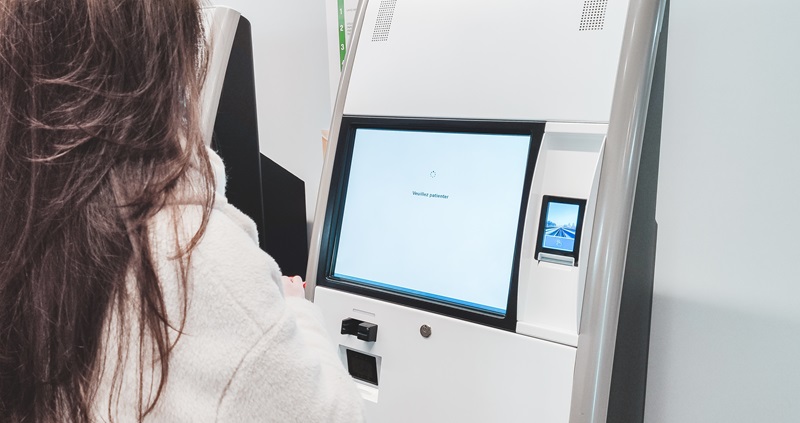
A telehealth kiosk is typically designed with a healthcare computer integrated into a user-friendly display, which is operated through a touchscreen interface. The setup is connected to the Internet via Wi-Fi provided by broadband or satellite services. Most kiosks also come with web cameras, enabling physicians to consult remotely with patients in real time.

To address various medical needs, kiosks can also be outfitted with additional equipment, such as blood pressure monitors, thermometers, and blood glucose meters.

Kiosks are conveniently placed in various locations, including existing clinics and pharmacies. Public spaces like libraries and community centers can also house telehealth kiosks. 

Regardless of where they’re located, the kiosks are usually set up in enclosed booths to provide privacy during consultations, helping to ensure that patients feel comfortable discussing sensitive health issues. Overall, these devices make healthcare more accessible and empower patients to take an active role in their healthcare management. 

Telehealth Kiosks for Rural Communities

An excellent example of using kiosks in rural healthcare delivery is Malaysia.

In the country, approximately 2,000 telehealth kiosks are being distributed to underserved patients. They provide patients with online consultations for non-emergency medical concerns as well as allow self-monitoring of vital health parameters, such as blood pressure, heart rate, and oxygen levels. They also significantly reduce travel costs and time for patients, who often face long journeys to the nearest healthcare facilities.

Physicians benefit enormously from telehealth kiosks as well. They can concentrate, for example, on more urgent cases, which alleviates the burden on local clinics. Physicians can detect early potential health issues through the kiosks’ data, ultimately leading to better health outcomes for patients.

Telehealth kiosks make them the ideal solution for patient care in the country, thanks to their ease of deployment and remote capabilities.

Telehealth Kiosks for Underserved Individuals

Even in developed countries, certain populations—such as the homeless, low-income families, and those without reliable transportation—struggle to access consistent healthcare services. These individuals are often at the highest risk for physical and mental health issues, yet they remain the hardest to reach for treatment.

Veterans fall into this group. Soldier On, a non-profit organization dedicated to supporting homeless veterans, has integrated telehealth kiosks into its programs to improve patients’ access to mental health support and medical care. These kiosks, situated in transitional and permanent housing facilities, provide veterans with immediate access to caseworkers and mental health professionals.

The advantages are numerous. Veterans using Soldier On’s setup don’t need to travel to clinics, which they may be unable to do due to transportation barriers, health conditions, or other life circumstances. Furthermore, caseworkers can assist veterans across state lines using the telehealth kiosks without the need for extensive travel. This also allows for timely interventions by the caseworkers, a crucial element for addressing the mental health challenges of veterans and a part of the support they – and even their families – may need.

Expanding the Reach of Telehealth Kiosks

Telehealth kiosks can not only transform individual cases; they can transform entire communities. By providing access to information about preventive care, disease management, and available healthcare resources, kiosks can promote public health awareness and education. This is particularly important in areas where healthcare knowledge may be low, with many residents not being aware of the services available to them.

Telehealth kiosks also can facilitate partnerships with local health organizations and community groups. By collaborating with these entities, kiosks can serve as hubs for health promotion activities, such as vaccination drives, screenings, and health fairs. This multi-faceted approach not only improves access to healthcare but also fosters a culture of wellness within communities as patients feel empowered to take charge of their health.

Prioritizing Features for Effective Telehealth Kiosks

Telehealth kiosks, given their potential to improve healthcare access for underserved communities greatly, should be designed with specific features and qualifications. Medical groups should keep the following key considerations in mind when looking to purchase kiosks for their practice.

  • Reliability: A paramount feature given many telehealth kiosks in rural areas may be far from repair services. To ensure uninterrupted operation, the kiosks should utilize robust components with few moving parts, such as fanless cooling systems. A reliable kiosk ensures patients have access to services when needed most.
  • Connectivity: The kiosk’s ability to connect seamlessly with existing health systems is critical for continuity of care. Obviously, strong and dependable internet access is essential for effective communication between doctors and patients. Also, kiosks should be equipped with a full suite of modern and legacy ports to accommodate peripheral devices, such as barcode scanners for medication labels and patient history.
  • User-Friendly Interface: Many rural residents may not be familiar with technology. This makes easy-to-use controls crucial. Touchscreen interfaces are ideal since there’s no need for additional hardware like mice and keyboards to use and navigate. More importantly, ease of use can significantly enhance patient engagement and satisfaction.
  • Security: Telehealth kiosks must implement strong cybersecurity measures to protect sensitive patient data and prevent unauthorized access. This is even more true in underserved communities where networks may be few and unprotected. Measures like encryption and robust user authentication processes built into the kiosks can reduce such attacks.

Empowering Telehealth Kiosks with Cybernet

Medical groups and physicians, thanks to reliable and user-friendly telehealth kiosks, can deliver vital services to groups and individuals who often go underserved. They can bridge the healthcare gap for vulnerable populations, ultimately improving health outcomes and enhancing overall community well-being.

Selecting the right computing hardware is essential to the success of these kiosks. Advanced medical computers can enhance the functionality and security of telehealth kiosks, ensuring they meet the needs of both physicians and patients.

With the proper technology in place, we can build healthier communities, reduce health disparities, and foster a more equitable healthcare system for all.

Ozempic Dosing Chart How Much to Take and When

Ozempic Dosing Chart: How Much to Take and When

Ozempic Dosing Chart How Much to Take and When

Ozempic is a prescription medication commonly used to manage type 2 diabetes by helping regulate blood sugar levels and promoting weight loss. It contains the active ingredient semaglutide, which mimics a hormone that targets brain areas that regulate appetite and food intake. Due to its dual benefits of improving glycemic control and supporting weight loss, Ozempic has become a popular option for those with type 2 diabetes.

Dosing plays a critical role in the effectiveness of Ozempic. Administering the correct dose at the right time is essential to achieving the desired results and minimizing side effects. In this article, you will find a detailed dosing chart, tips on how to follow the Ozempic dosing schedule, and guidelines for dosage adjustments based on individual needs.

Ozempic Dosing Chart

Ozempic dosing is divided into different stages to gradually introduce the medication into your system while minimizing side effects. The treatment typically begins with a lower dose, which is increased over time to help your body adjust. Below is the Ozempic dosing chart:

Stage

Dose

Frequency

Recommended Time for Injection

Injection Sites

Starting dose

0.25 mg

Once a week

Morning or evening (same day each week)

Abdomen, thigh, upper arm

After 4 weeks

0.5 mg

Once a week

Morning or evening (same day each week)

Abdomen, thigh, upper arm

Maintenance dose

1 mg

Once a week

Morning or evening (same day each week)

Abdomen, thigh, upper arm

Maximum dose (if needed)

2 mg

Once a week

Morning or evening (same day each week)

Abdomen, thigh, upper arm

Tip: Choose an injection time that fits your routine to maintain consistency. The abdomen tends to offer faster absorption, but other sites work well, too. Always rotate injection sites to avoid irritation.

What Is the Recommended Ozempic Dose to Start With?

The starting Ozempic dose is 0.25 mg once a week. This dose is not intended to control blood sugar immediately but to help your body adjust to the medication and reduce the risk of gastrointestinal side effects, such as nausea and vomiting.

After four weeks, the dose is typically increased to 0.5 mg per week. This step is crucial to help manage blood sugar levels and allows your body to continue adjusting to the medication. It’s important not to increase the dose sooner than four weeks, as this can lead to more severe side effects.

How Do You Follow the Ozempic Dose Schedule for Best Results?

Following a consistent weekly schedule is key to getting the best results from Ozempic. Choose one day of the week for your injection and stick to that schedule. For example, if you start injections on a Monday morning, aim to administer future doses every Monday morning.

Tips for staying on track on your Ozempic dose schedule:

  •     Set a weekly reminder on your phone.
  •     Use a medication tracker app.
  •     Incorporate it into your weekly routine, such as right before breakfast.

If you accidentally miss a dose, take it as soon as you remember, as long as it’s within five days. If more than five days have passed, skip the missed dose and take the next one as scheduled.

What Factors Can Affect Your Ozempic Dosage?

Several factors can influence your prescribed Ozempic dosage, including:

  •     Weight: Heavier individuals may require a higher dose for optimal effect.
  •     Age: Older adults may need dosage adjustments based on their body’s response to the medication.
  •     Kidney function: Impaired kidney function may affect how the drug is processed in the body.
  •     Other medications: Some drugs may interact with Ozempic, necessitating dosage changes.

Side effects, like nausea, vomiting, or low blood sugar (hypoglycemia), may also prompt adjustments. Always monitor your body’s response to the medication and report any issues.

Where Should You Inject Ozempic for Optimal Absorption?

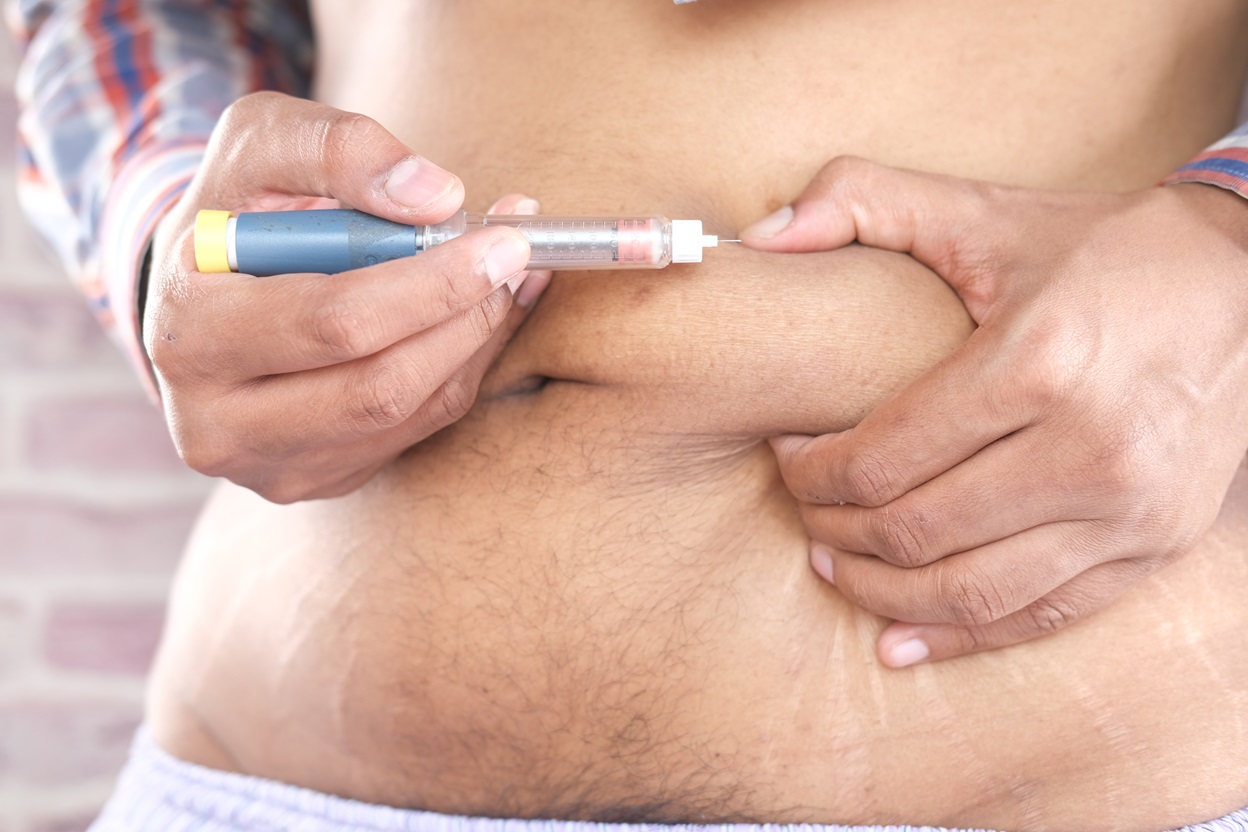
The best injection sites for Ozempic are the abdomen, thigh, and upper arm. While all these areas work well, absorption rates may vary slightly:

  •     Abdomen: Often the fastest absorption site due to the rich blood supply in this area.
  •     Thigh: Provides steady absorption, but may be slower than the abdomen.
  •     Upper arm: Another reliable option, with similar absorption rates to the thigh.

Always rotate injection sites to prevent irritation or skin reactions. Avoid injecting into moles, scars, or areas with broken skin.

What Are Common Mistakes to Avoid When Following the Ozempic Dose Schedule?

Common mistakes when using Ozempic can interfere with its effectiveness. These include:

  •     Skipping doses: Missing injections can reduce the drug’s effectiveness. Stick to a weekly schedule.
  •     Inconsistent timing: Try to take the dose at the same time each week. Varying the time can lead to less stable results.
  •     Improper injection technique: Injecting into the wrong layer of the skin can reduce absorption. Always inject into the fatty tissue under the skin.

How Long Does It Take to See Results with the Ozempic Dose Schedule?

Most people begin to see improvements in blood sugar control within 1 to 2 weeks of starting the 0.5 mg dose. For weight loss, noticeable changes may take longer, often between 8 to 12 weeks, depending on the individual and their adherence to the dosing schedule. Studies show that after 26 weeks, individuals on Ozempic have significant improvements in blood sugar control and a reduction in body weight. Weight loss can range from 5-15% of total body weight depending on the dose.

Conclusion

Following the proper Ozempic dosing schedule is essential for achieving the best results, whether you’re looking to improve blood sugar control or manage weight. By adhering to a consistent weekly routine, using the right injection techniques, and making dosage adjustments as needed, you can maximize the benefits of Ozempic.

FAQs About Ozempic

Can I inject Ozempic at any time of the day?

Yes, but it’s best to pick a time and stick to it weekly for consistent results.

What happens if I miss a dose?

If it’s within 5 days of your missed dose, take it. If more than 5 days have passed, skip it and take your next dose as scheduled.

Can I take more than 2 mg of Ozempic per week?

No, 2 mg is the maximum recommended dose.

How long should I stay on the starting dose of 0.25 mg?

Typically for 4 weeks before increasing to 0.5 mg.

Can I inject Ozempic in my arm every week?

Yes, but it’s better to rotate injection sites to avoid irritation.

Does Ozempic need to be refrigerated?

Yes, store it in the refrigerator before use, but after opening, it can be kept at room temperature for up to 56 days.

How soon after starting Ozempic can I increase the dose?

After 4 weeks at 0.25 mg, you can increase to 0.5 mg.

What should I do if Ozempic causes nausea?

Stick with the dose for a few weeks; nausea often subsides as your body adjusts.

Can I inject Ozempic more than once a week?

No, it’s only meant to be taken once weekly.

Will I lose weight right away on Ozempic?

Weight loss may take a few weeks to a few months, depending on your body’s response.

Is it safe to inject Ozempic in the thigh?

Yes, the thigh is one of the recommended injection sites.

What if I experience severe side effects with Ozempic?

Reduce your dose or consult for other options based on response.

Can I use Ozempic for weight loss alone?

Ozempic is primarily for blood sugar control in diabetes, but weight loss is a common side effect.

Can I stop taking Ozempic if I reach my weight loss goal?

Ozempic should be continued as prescribed to maintain blood sugar control.

How do I rotate injection sites properly?

Alternate between your abdomen, thighs, and arms weekly to avoid skin irritation.

What should I do if I accidentally inject too much Ozempic?

Monitor for symptoms like low blood sugar and seek assistance if necessary.

How long does a pen of Ozempic last?

One pen typically lasts 4 weeks when used at a 0.5 mg weekly dose.

Finding a Mentor in Healthcare Why, When and How to Ask

Finding a Mentor in Healthcare: Why, When and How to Ask

Finding a Mentor in Healthcare Why, When and How to Ask

Mentors are often characters associated with heroic tales — they are wise guides who help a hero navigate their challenges with their lived experience and inner wisdom. For many kids who grew up in the 80s and 90s, characters like Master Splinter from Teenage Mutant Ninja Turtles reminded us that it takes more than superpowers to be a true hero.

Mentors are much more than fictional characters; they’re a great way to get the most out of your desired career path. If you’re getting started in healthcare, looking for someone you not only admire as a professional, but is also a good teacher, such as someone with an MSN in nursing education, can be a great way to set yourself on a path to success.

Getting started on the mentorship journey can seem complicated for someone just starting in healthcare. Let’s explore the world of mentoring — the why, when, and how to find a mentor who will best support your career goals.

What is a mentor?

Think of a mentor as someone who can guide you on your career pathway. Typically, a mentor is a more experienced staff member who volunteers some time and energy to support newer colleagues.

Mentors come from all walks of life — they might be experienced healthcare professionals, lecturers at college, or perhaps even a trusted family friend who once followed the same career path as you. Mentors are as diverse and different as the mentees they help to develop.

The most common type of mentoring is peer mentoring, which involves learning from the more experienced staff members’ experiences and perspectives. Many workplaces and organisations offer mentorship programs for people at different stages of their life.

Why should I have a mentor?

Mentorship can be beneficial for those who take advantage of it. There are many different ways that mentorship can benefit you both personally and professionally — from how you conduct yourself at work to the strategies that you can take when things aren’t going your way.

Think of a mentor like a teacher, someone who knows their field, may share some of the experiences and perspectives that you have about that field, and has the wisdom to share what they’ve learned with you. The best part is that mentoring often only costs as much as a cup of coffee.

Research across multiple disciplines has found mentoring to be a highly effective way of driving positive outcomes among mentees. Mentoring can benefit mentees, develop lasting relationships in the workplace, and help contribute to a positive work environment.

When should I be mentored?

The best part about mentorship is that it has no age or experience limits. Mentoring can benefit different healthcare professionals in different stages of their career journey, often to great success.

Consider this: a graduate nurse may benefit from being mentored by a senior nurse who’s been working in the field for a few years. Senior nurses could potentially benefit from the mentorship of a nursing lead if they choose to pursue a leadership role or a specialized nursing field.

Leading nurses, in turn, may benefit from the mentorship of retired colleagues or even hospital administrators. If you’re unsure where to start, it might be worth chatting to colleagues to see what sort of mentoring they may have undertaken.

Approaching mentors respectfully

Work can often be a busy place,  and naturally, people are busy. Finding the right way to approach a mentor is essential, after all, you don’t want to start a prospective mentoring relationship on the wrong foot.

If you approach a potential mentor on your own, you should remember three key things:

Firstly, be genuine. Be honest about what you’re looking for and how you think mentorship can benefit both yourself and the mentor.

Secondly, offer to take them out for a coffee and a chat. A mentoring relationship doesn’t have to be an office-led discussion; it can be a casual conversation about what works and what doesn’t at a local coffee shop.

Finally, don’t feel you have to ask someone to be a mentor immediately, meet-and-greet sessions are a great way to meet new people at work. Don’t feel you have to commit after one conversation, meet with someone a few times before you make up your mind.

Becoming a mentor

If you feel you’re an experienced professional who can give back to your less experienced peers, it might be worth considering becoming a mentor. It’s often understated how beneficial mentoring can be for mentors. Mentoring can help develop your leadership, communication, and relationship building skills.

So, now you know a little bit more about how helpful mentoring can be, perhaps it’s time to find a mentor. Eventually, you might consider becoming a mentor yourself.

At the end of the day, if there’s just one thing you’ve taken from this article, let it be the idea that mentors are more than cartoon characters, they’re truly an idea that can carry us to greater heights, from where we are today. Remember, we all started being mentored somewhere in some way, didn’t we?