How Technology Will Transform Patient Care in Rural Areas

How Technology Will Transform Patient Care in Rural Areas
How Technology Will Transform Patient Care in Rural Areas

Over the last several decades, technology in the healthcare space has steadily been evolving. In recent years, however, this evolution has seemingly exploded with incredible technology now enabling medical professionals to aid patients in profound ways.

How Technology Will Transform Patient Care in Rural Areas

One demographic of American patients that is in dire need of increased healthcare resources is those in rural areas. Gaining perspective on how new technology in healthcare can help provide rural residents with the care they need can give one a more nuanced perspective on the way technology is impacting healthcare.

Here is how technology will transform patient care in rural areas.

Telehealth is Making Rural Healthcare More Accessible

In rural areas, there are a number of barriers standing between residents and healthcare. One of the most difficult challenges is a lack of medical facilities and medical professionals located in rural areas. Oftentimes, this means that rural residents will have to travel for several hours just to see a doctor.

As one can imagine, the resources needed to build new medical facilities are immense. To make matters worse, not many medical professionals are keen on living in rural areas, and it could take years to build new facilities even if the proper funds were secured.

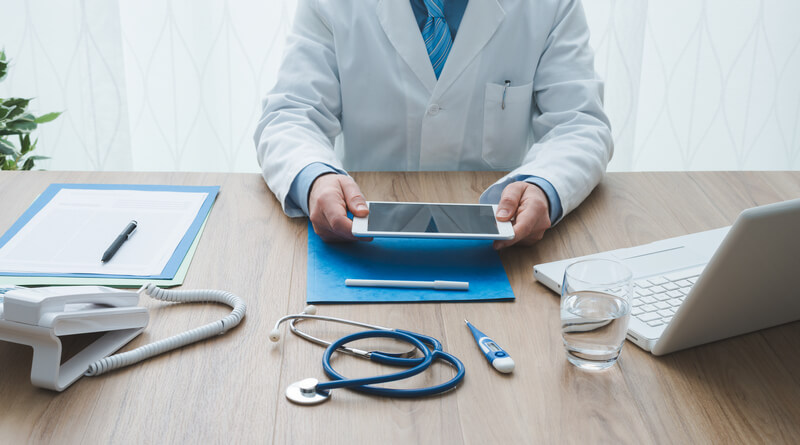
Thankfully, telehealth has presented itself as a potent and effective solution that can help solve the issue of a lack of rural healthcare facilities. Essentially, telehealth is the practice of providing healthcare through the use of electronic technology. 

In its most common forms, telehealth involves patients communicating with medical professionals remotely through phone calls or video calls. This alleviates some of the need for rural residents to travel significant distances to see medical professionals.

Unfortunately, telehealth is not yet at an advanced stage that completely dissolves the need for rural residents to see their medical providers in person. However, as technology evolves and new ways of engaging in telehealth become normalized, this may one day change. 

Hopefully, new technology will be able to solve the problem of remote healthcare and provide rural residents with a way to receive robust care and experience better health outcomes. 

Robots Can Help Medical Professionals Perform Procedures More Successfully

As has been noted, many rural areas across America lack key medical resources. Even when there are clinics and medical facilities in these areas, they may not have the proper equipment and professionals to perform specific types of procedures. For rural residents, this means having no other option than having to travel significant distances to have procedures performed. 

Robots, however, are beginning to play a more important role in healthcare. What may have once seemed like an idea out of a science fiction movie has now started to become reality as robots are helping medical professionals perform surgeries and procedures. 

For rural residents, this means that more types of procedures may be offered in local clinics as a result of an influx of new medical robots. This can help medical providers ensure that they’re providing amazing care to rural residents in need of surgery and procedures. As such, the next decade will likely see a great boost in rural healthcare offerings as more healthcare organizations take advantage of medical robots that can help perform procedures. 

Remote Patient Monitoring is Providing Rural Residents with More Convenience

Traditionally, treating patients remotely posed some key challenges for medical providers. Specifically, medical providers had to trust that patients were being consistent in their self-care and were unable to know if patient vitals were off in real-time. This could often result in poor health outcomes for patients who weren’t stringent in their self-care duties. 

Today, however, technology has evolved to the point where medical professionals have the opportunity to monitor patients remotely in real-time. This form of technology has impacted nursing and other medical fields profoundly by making remote care a more viable option. 

For rural residents, this can have a number of benefits. Rather than noticing declines in health when it’s too late, medical professionals can notify rural residents immediately if their vitals become irregular or worrisome. 

One technology that is helping to make this possible is a form of AI called machine learning. Essentially, this form of AI learns over time by studying masses of patient data. As a result, machines powered by machine learning software can alert medical providers if a rural resident’s health is taking a negative turn. 

As time goes on, many are hopeful that technology will continue to make remote monitoring of patients more effective. In this way, technology can help rural residents experience better health outcomes with increased regularity despite a lack of rural medical facilities. 

Technology is Helping Rural Residents Achieve Optimal Health Outcomes

While rural residents have faced a number of healthcare obstacles over the last decades, technology is presenting itself as a powerful tool to overcome these challenges. From making remote monitoring more effective to utilizing robots to help with medical procedures, medical technology is transforming the way that rural residents receive care. 

As time goes on, many are hopeful that technology in healthcare will continue to evolve and provide rural residents with more amazing care options that can potentially transform their lives.

What Are The Potential Consequences of Medical Record Errors

What Are The Potential Consequences of Medical Record Errors?

What Are The Potential Consequences of Medical Record Errors

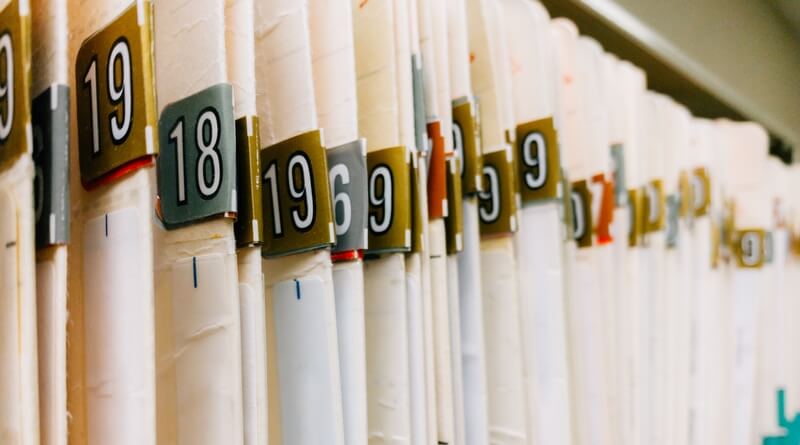
Hospitals and doctors are expected to maintain thorough medical records for their patients. Because they include thorough medical histories, descriptions of the patients’ usual prescriptions, and information on any potential allergies, medical records are crucial. Even minor inaccuracies or omissions in a patient’s medical file could cause significant harm or death. 

What Are The Potential Consequences of Medical Record Errors

In general, where a patient’s injury or death was brought on by mistakes or omissions in their medical record, the patient or their surviving family member may have a strong case for medical malpractice.

Medical Record Errors Are Dangerous

In medical records, you will find just what you would expect: a record of a patient’s health and medical background. Depending on the person, these records may contain details regarding diagnoses and drugs, drinking patterns, family medical history, and allergies. Whatever the case, these records are essential for registering and obtaining medical care.

Mistakes in medical records occur with alarming regularity. Although these mistakes happen quite commonly, they can have significant consequences for patients. Serious mistakes of the following kinds could cause harm:

  • Failure to correctly note a patient’s existing medications, even herbal supplements or over-the-counter drugs
  • Inclusion of incorrect diagnostic information
  • Insufficient or incorrect information about allergies
  • Omissions of allergy information
  • Other omissions from medical records
  • Transcription errors

Incorrect contact information, such as a wrong name, address, or phone number, may cause problems getting bills or test results. These mistakes in medical records can lead to difficulties, harmful drug interactions, life-threatening allergic responses, or inappropriate treatments. 

These issues can result in the patient’s death or severe harm. Therefore, these errors must be discovered and fixed immediately to prevent potential damage.

In fact, many healthcare providers are using touchless biometric patient identification platforms like RightPatient. These ensure that patients’ EHRs are identified properly – improving patient safety and maintaining patient data integrity. 

Types of Medical Record Errors

The following are some common errors in medical records.

Spelling Errors

Some misspelled words won’t affect a patient’s health. Thus they might not need to be fixed. But when it comes to exchanging records among doctors, mistakes in spelling a patient’s name, for instance, can be problematic and should be corrected immediately.

Diagnostic Errors

If inaccurate test findings or other diagnostic mistakes are recorded in medical records, patients may receive treatment for illnesses they do not have.

Patient Confusion

Records may become confused if two patients with the same name are treated. It is possible to put a patient’s history and information in the incorrect file or to give the incorrect person the incorrect file entirely.

Disorganization

It’s possible for records to disappear or for false information to get lost in the shuffle when medical histories are lengthy and complex, especially those of senior citizens. Records can become jumbled when decades’ worth of data is at stake.

Incorrect Contact Information

Incorrect or outdated phone numbers and addresses can make it difficult to bill patients or reach them with lab results or treatment changes.

Medical Malpractice Due to Medical Record Errors

When a medical provider or providers negligently neglect to enter crucial information or to check the medical record before delivering care, harming the patient, errors in the patient’s medical records may qualify as malpractice. 

Maintaining the accuracy of medical records is essential, and medical facilities and hospitals could be held ultimately liable for any errors made in the victims’ medical records by their medical staff. In a medical malpractice case based on medical records, medical practitioners may also be held accountable if they neglect to thoroughly evaluate the patient’s file or act carelessly and enter false information into it.

Misdiagnoses, incorrect medicine dosages, the delivery of pharmaceuticals that interact dangerously or have severe allergic reactions, and other issues can result from medical mistakes in a patient’s medical records. Other medical carelessness in the patient’s treatment may also be grounds for legal action in medical malpractice cases, including inaccuracies in medical records.

Medication Errors

It can be extremely dangerous when drug errors occur in a patient’s medical records. Many prescription and over-the-counter medicines can interact negatively with other pharmaceuticals in harmful ways. The patient could suffer serious harm if a drug is prescribed to them that interacts with anything else they are currently taking but wasn’t listed in the medical record, if the patient’s list of medications doesn’t include everything they are currently taking, including any over-the-counter medications or herbal supplements. 

Due to this, patients must bring a comprehensive list of all of their current prescriptions, including any over-the-counter drugs, to their doctor’s office or the hospital. To ensure that their medical records include a complete list of the medications they are taking, they should carefully review this list with their nurses and doctors.

Failure to adequately disclose a patient’s allergies is another frequent inaccuracy in medical records. When patients get medications to which they are allergic, they run the risk of dying from anaphylaxis. Patients should make sure their doctors and the medical staff are aware of any allergies they know they have, as well as any chemicals to which they have previously experienced allergic reactions, much like they should do when reading the list of prescriptions.

Call a Medical Malpractice Attorney

Physicians, nurses, hospitals, and other service providers must guarantee the accuracy of their patient’s medical records. 

You might have a strong case for medical malpractice if you sustained catastrophic injuries due to an error in your medical records or your doctor’s failure to thoroughly analyze your medical history. Cases involving medical negligence are typically complicated and call for the assistance of medical professionals. 

Attorneys for medical malpractice can assist in establishing irresponsible medical practitioners’ responsibility so they can be fully compensated.

Understanding the Many Types of Nurses and the Care They're Able to Provide

Understanding the Many Types of Nurses and the Care They’re Able to Provide

Understanding the Many Types of Nurses and the Care They're Able to Provide

When people hear nurse, their mind typically jumps to bedside nursing. And while this is a noble, common manifestation of the profession, it’s also just the tip of the iceberg. There are many different types of nurses, each providing a unique kind of care and expertise.

Understanding the Many Types of Nurses and the Care They're Able to Provide

Understanding the different types of nurses can help you make important career choices, or simply just understand the healthcare system better. In this article, we take a look at several of the many different types of nurses and describe what they do on the job. 

In-Patient Versus Outpatient Nursing

Most people will have interactions with in-patient nurses at some point in their life. If you are ever admitted to the hospital, this is the person who will take care of you. They perform a wide range of duties, including performing tests and helping to ensure your comfort. 

Out-patient nurses often work in the hospital setting as well, but with patients that don’t need to be admitted. For example, if you are getting ongoing blood work, or if you find yourself in the emergency room, you will probably be involved in outpatient care. The hospital treats you and then sends you home that same day. 

However, there are situations in which outpatient nurses may travel to the patient’s house. This is typically done in situations where the patient would not otherwise be able to access care. 

School Nurse

School nursing is often a frequent first job for newly minted nurses. School nurses work in educational environments to assess student health and provide basic care to people who are deemed to need it throughout the school day. 

Nutrition Nurse

You can hire a nutrition nurse if you are trying to optimize your food intake to achieve a specific health goal (weight loss, lower blood pressure, better overall nutrition, etc). Nutrition nurses can help their patients come up with food plans, and monitor their progress with said food plans over time. 

Sometimes nutrition nurses are brought in after a specific incident. For example, if a person has a cardiac event, they may be referred to a nutrition nurse as a way of helping them make the lifestyle changes required for continued health. 

In other situations, people may hire nutrition nurses to help them meet their own goals. 

Nurse Educators

Nurse educators work in schools, teaching the next generation of nurses. They usually will have several years of experience on the job, and will most likely need to at least have a master’s degree to be eligible for the job.

Because they have real-life experience, they are well-positioned to guide students through the hands-on elements of nursing education. 

Hospice Nurse

Hospice nurses are brought in toward the end of life to help improve the patient’s comfort level. Once hospice begins, most patients are no longer looking for a cure for their condition. Instead, the hospice nurse works to reduce pain and help the patient achieve at least some degree of normalcy with their eating and sleeping habits. 

Hospice nurses continue to advocate for their patients right up until the end, modifying their care as much as possible to suit their needs while also working with their families to facilitate visits and ensure that the patient’s final wishes are being honored. 

Informatics Nurses

Informatics nursing is a relatively recent development that combines the responsibilities of a hospital nurse with those of a data analyst. Informatics nurses may look both at individual patient data, and analytics for an entire community to help improve the hospital’s ability to provide high-quality care. 

In addition to getting an RN certification, informatics nurses also need to be licensed specifically for data analysis. Because this is a relatively new profession, not all regions of the country have access to informatics nurses. 

Nurse Ethicist

Nurse ethicists work to advise hospitals on policies relating to healthcare ethics. They may also be brought in to advise in situations where the ethics of a choice made at the hospital are in question. They may work directly with other nurses to educate and remind them about the ethical elements of their job.

You may interact with a nurse ethicist as a layperson if your loved one is unable to make medical decisions for themselves. When a decision needs to be made about withdrawing life support, nurse ethicists are brought in to work with members to make the best possible decision. 

Homecare Nurses

Homecare nurses provide patients who can no longer take care of themselves with long-term care. If you come to the conclusion that an aged family member can no longer live on their own, you may look for the services of a home care nurse. 

That said, there are various forms of ongoing care. In certain cases, when the person requiring care is in good health, they may just need someone to help them with a simple task. Running errands. Performing light housework. Helping them with personal hygiene, etc. 

These tasks do not require the services of a home care nurse. However, if the patient has extenuating health conditions that require constant supervision the services of a home care nurse may be required. 

Flight Nurse

Flight nurses work out of airplanes, providing care in situations where someone becomes sick on a plane, or when they need to be transported by air to another hospital. They may perform the same duties as an ER nurse, but within a very unique environment that takes years of experience to master. 

Flight nurses usually need to have at least several years of experience on the job. They are also required to get a special certification to be eligible for the job. 

Conclusion

Navigating the healthcare system on your own is hard. If you are trying to secure care for yourself or someone that you care about, it helps to know what questions to ask. Above we have described some of the many different types of nursing jobs out there. However, there are many other types of nursing as well. 

To secure the right kind of care, begin by researching the symptoms or conditions that need treatment. From there, it is easier to find the appropriate specialties. 

How Can Hospitals Better Accommodate Elderly Patients

How Can Hospitals Better Accommodate Elderly Patients?

How Can Hospitals Better Accommodate Elderly Patients

Hospitals are designed to help ill and injured patients recover. However, that doesn’t always mean they are set up to fully accommodate the needs of elderly patients. 

Many seniors face mobility and communication challenges when visiting the hospital, which can compromise their health outcomes or even lead to injury. They can also experience mental and physical deterioration. In fact, around a third of patients over 70 are discharged from the hospital more disabled than when they were admitted. 

How Can Hospitals Better Accommodate Elderly Patients

Because people tend to need more healthcare as they age, not less, it’s important for hospitals to prioritize making hospitals accessible and accommodating for older patients. 

Here are some ways to help ensure the comfort and safety of seniors in the hospital environment. 

Mitigate Fall Risks & Reduce Bed Sores 

Older patients often have to spend days or weeks in the hospital after they are initially admitted. While they are staying in a hospital room, it’s important for the facility to reduce fall risks and prevent issues like bed sores. 

Frequent repositioning for patients who cannot reposition themselves is time-consuming but essential for reducing the incidence of pressure sores. Mobility assistance is also important for preventing falls and ensuring that patients can move safely as needed. 

Make Signage Easy to Read & Understand 

Many seniors struggle with their vision or cognition. Signage throughout the hospital should be accessible and easy to understand. Large-print signage, clear and easy-to-read maps, and other aids should be available to assist elderly patients. Additionally, information should be provided in Braille whenever possible. 

Add Mobility Assists & Easy Alert Buttons

To help seniors move around a hospital more safely, it’s important for hospitals to keep aisles clear and reduce the number of obstacles senior citizens might face as they navigate the facility. Adding chairs along corridors to allow elderly people to rest is also a good way to better accommodate their needs. 

If the flooring in the hospital isn’t already non-slip, then it’s important to use non-slip matting to prevent accidental trips, slips, and falls. Keeping floors clean and matting well-maintained will also help improve safety.  

Additional mobility assists, like grab bars, might need to be added, even in areas with existing assists. In many cases, the mobility assists that are available in a hospital setting are insufficient. Areas with mobility assistance should also include alert buttons so that seniors can call for help if they are unable to call from their own phone in an emergency. Wearable alarms are another good option for safety. 

Provide Accessible Parking Options 

Hospital parking lots can be huge and difficult to manage, especially for seniors with limited mobility. Even with spots marked for those with disabilities, this can be a problem. 

To avoid having seniors walk long distances through busy parking lots, hospitals can help by adding more disabled parking and by providing accessible parking options, such as a free valet service. This will help get patients into the hospital with less stress and fewer risks. 

Hire & Train Staff with Seniors in Mind

Hospital staff should be proficient in working with elderly patients. While some providers are specially trained in working with geriatric patients, others might not fully understand issues like fall risks, pain management for seniors, and how mobility issues or cognitive decline can affect a patient’s stay in the hospital. Additionally, with the hiring of crisis and travel nurses on the rise, training might vary among hospital personnel at any given time. 

Providing training is an important part of making hospitals more accommodating to elderly patients. In addition to improving understanding and communication between patients and staff, training can also help prevent errors like medication interactions for patients with multiple health conditions, providers, and medications. 

If possible, hospitals should also hire additional nurses and doctors specializing in elder care to bridge the gap in understanding among hospital staff. Hiring social workers specializing in elderly populations can also help to ensure better outcomes for older patients. 

Provide Resources & Detailed Plans for Discharge 

Once a patient leaves the hospital, their care journey doesn’t end. They might be headed to a skilled nursing facility, released to a family or in-home caregiver, or simply going home alone. Putting more thought into discharge planning can help reduce return trips to the hospitals for some seniors. 

Discharge planning might include working with family members to discuss care plans. It also might involve finding the right resources or facilities for patients so they can take the next step right away. In some cases, setting up remote monitoring could be necessary. Personalized discharge planning takes some effort, but it can really help ensure that seniors continue to get the care they need. 

Remember: Elderly Patients Have Advanced Needs in the Hospital

Hospitals are busy places that are full of confusion and a variety of risks for elderly patients. It’s easy to overlook factors that might not affect a younger patient but could prove to be a major obstacle or safety issue for a senior citizen. 

Elderly patients have advanced needs in the hospital. Even if a hospital doesn’t have the money to make sweeping infrastructure changes to support these needs, there are smaller ways to make the facility more accommodating. Protecting and properly caring for the elderly needs to be a major priority for every healthcare facility that serves them.