Accurate-patient-identification-with-RightPatient

RightPatient Can Prevent Medical Mistakes, Patient Mix-ups, and More
Accurate-patient-identification-with-RightPatient

While 2020 felt like a very long year for all the wrong reasons, it has been already two months into 2021, fortunately. However, COVID-19 is still having a significant effect, especially on the US healthcare system. One of the many issues that were present even during the COVID-19 waves was patient identification errors, and it demonstrated that healthcare providers need to upgrade their patient identification systems immediately. Patient record mix-ups, preventable medical mistakes, sending reports to the wrong patients, and not finding the patient records were just a few of the problems healthcare teams faced during the pandemic.

Accurate-patient-identification-with-RightPatient

However, there’s a more serious concern up ahead. As the vaccine starts to slowly but steadily reach the general public, potential vaccine mix-ups might occur as a result of patient misidentification. This will severely jeopardize vaccine rollouts and make them lose their efficacy.

While patient identification issues and their several consequences have been present for a long time, they can be prevented with an effective patient identification platform like RightPatient – let’s explore.

How RightPatient works to prevent medical mistakes

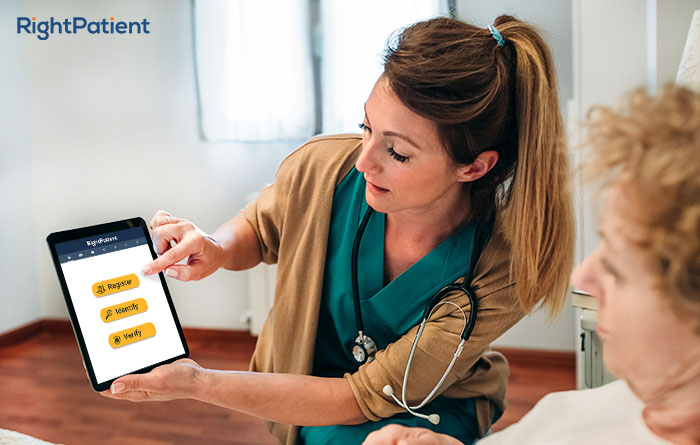
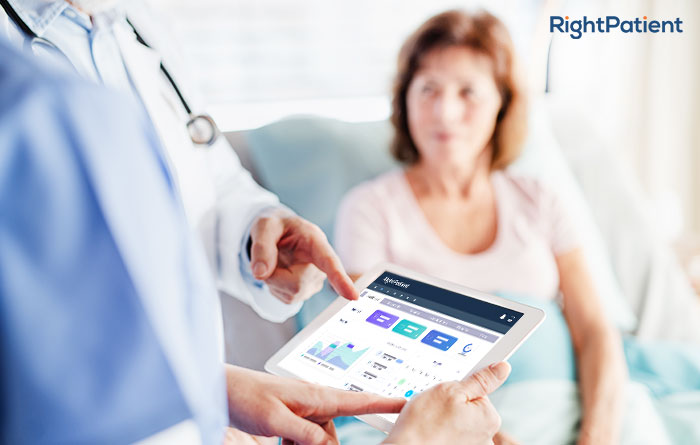
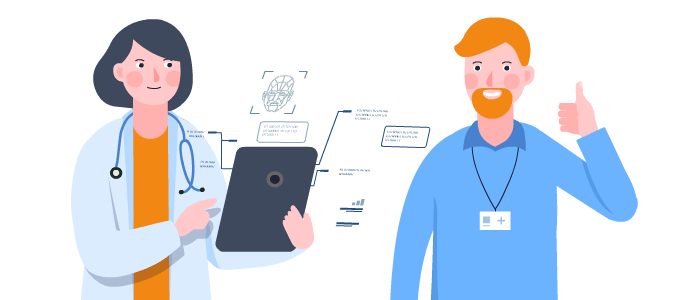
RightPatient is a touchless biometric patient identification platform that helps hospitals and health systems prevent patient identification errors and mix-ups. It attaches the patent’s photo and biometric data to the medical records during registration. During subsequent visits, patients are required only to look at the camera – the platform verifies their identities and provides the appropriate medical records.

One of the best parts is that RightPatient is contactless, making it feasible for a post-pandemic environment, as it prevents HAIs (hospital-acquired infections). Moreover, it can also be used at any touchpoint across the care continuum, making it ideal for telehealth sessions. 

That was a lot about how RightPatient works – let’s see the issues it prevents – and can prevent – for healthcare providers. 

The problems RightPatient addresses

RightPatient prevents duplicate medical records

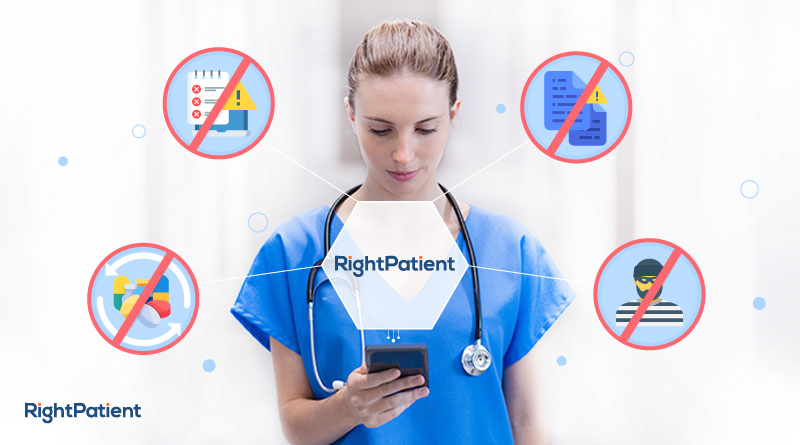
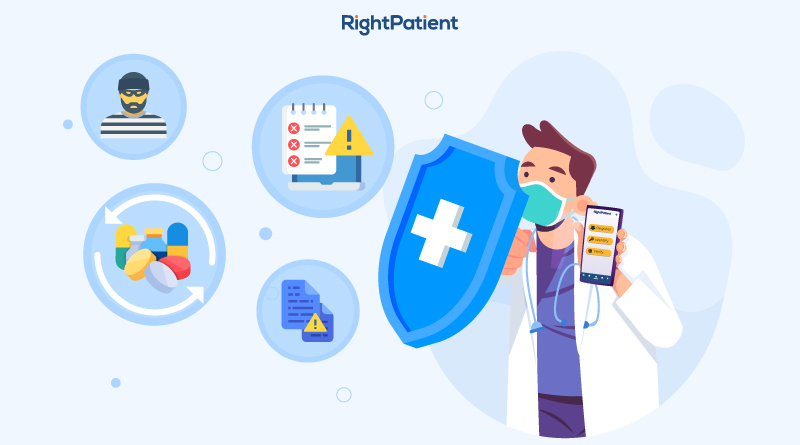
Duplicate medical records have been creating mix-ups, preventable medical mistakes, and more, leading to detrimental patient outcomes, impacting patient safety, revenue cycle issues, and lower bottom lines. Since RightPatient can identify registered patients right from the start, it prevents the creation of additional duplicate medical records as well as medical errors – improving patient safety and healthcare outcomes.
Prevent-medical-mistakes-with-RightPatient

RightPatient eliminates preventable medical mistakes

One of the biggest issues patient identification errors create is medical errors. For instance, patient A will get medications that are actually required by patient B – a single mistake can be disastrous. Moreover, there have been cases where one patient received a transplant that was supposed to be received by an entirely different patient. However, since their names or demographic characteristics were similar, a mix-up occurred. Fortunately, RightPatient prevents such cases – ensuring quality and safety in healthcare facilities.

RightPatient prevents medical identity theft and protects patient data

One of the prominent reasons medical identity theft cases are successful is because there is no way to catch the fraudster. Conventional patient verification methods are not well-equipped to handle misidentifications, let alone detect fraudsters.

Fortunately, RightPatient can accurately identify patients using their photos; whenever the fraudster tries to pass themselves off as the patient (or victim), the platform red-flags them, preventing medical identity theft in real-time. This helps in a number of ways – patient information is protected from being corrupted, litigation costs are prevented by the healthcare provider and patient safety is ensured.

Can RightPatient prevent vaccine mix-ups?

While most of us among the general public wait for the vaccine rollouts, we have to remember that, at this point, to ensure maximum protection, we require two doses of the vaccine. However, imagine this – a hospital is housing vaccines from two different manufacturers. What if a patient receives the shot of Pfizer’s vaccine the first time and the second dose is from Moderna? 

Unfortunately, vaccine mix-ups are occurring as we speak, and it might significantly reduce the effectiveness of the vaccines, putting numerous lives at risk. Moreover, many of these cases might occur due to patient misidentification.

Fortunately, RightPatient can help hospitals and health systems to determine patients’ identities accurately, prevent record mix-ups, and ensure efficient vaccine administration without any hiccups, enhancing patient protection against the virus.

Responsible healthcare providers have been using RightPatient for years – preventing patient safety issues, avoidable medical mistakes, duplicate medical records, and medical identity theft in real-time. Contact us now to be a more responsible healthcare provider.

Patient-information-protection-is-a-huge-concern-RightPatient

Is Patient Information Protection Possible With Rising Cybersecurity Threats?

Patient-information-protection-is-a-huge-concern-RightPatient

Healthcare is always in the spotlight – mostly because of the wrong reasons. Some of the many topics that often come up when discussing healthcare issues are data breaches, medical identity theft, the lack of interoperability, the lack of patient information protection measures, patient identification issues, among other things.

Patient-information-protection-is-a-huge-concern-RightPatient

However, due to the pandemic, telehealth has become a mainstream tool to provide patient care outside of healthcare facilities. While telehealth has been an extremely useful medium for caregivers and patients, there are valid concerns regarding its security. Moreover, even before that, cybersecurity threats have been growing considerably for the last few years.

That being said, let’s take a closer look at the recent state of healthcare data breaches, how the data were obtained from hospitals, and if patient information protection is possible.

The pandemic showed patient information protection measures were not enough

When the pandemic started, healthcare providers in the US had their hands full – not only did they have their usual problems to tackle, but also they had to deal with the surge of COVID-19 cases that overwhelmed their facilities. Quite naturally, healthcare frontline teams, facilities, and anyone else involved with them was pushed to their limits. Fortunately, there was a ray of hope when many hackers pledged that they won’t focus on hospitals since they were facing the biggest challenge in decades. However, not all the hackers shared the same sentiment – many chose to attack during this vulnerable period. 

For instance, by the end of 2020, many hospitals and health systems were victims of a wave of cybersecurity attacks that left them paralyzed. The attacks forced them out of their systems – disrupting healthcare operations until the hackers’ demands were met. Moreover, even prominent health systems took days to restore and operate normally.

Others were handicapped, and while not fully locked out of their systems, these caregivers were unable to provide accurate healthcare services too. For instance, they had read-only access to patient records, meaning that they couldn’t update the records themselves, which is usually done after seeing the patient (virtually or otherwise). As a result, a lot of scheduled visits, surgeries, and elective procedures had to be stalled or postponed. Cyberattacks ultimately harmed the bottom lines of affected hospitals. However, all of these attacks, delays, and threats led to the conclusion that patient information protection must be upgraded significantly to ensure quality and safety in healthcare.

RightPatient-can-protect-patient-data-by-preventing-medical-ID-theft

How patient information is typically protected

Health Insurance Portability and Accountability Act (HIPAA) is primarily focused on protecting patient information from internal and external threats or data breaches. It applies to any organizations (known as business associates) that deal with patient information or PHI (protected health information). HIPAA even has a Breach Notification Rule that provides guidelines for hospitals that suffer breaches. Unfortunately, there are many cases where HIPAA violations do occur, leading to hefty fines and loss of goodwill.

But how do hospitals typically ensure patient information protection? 

Well, different healthcare providers have different guidelines, budgets, constraints, and advantages. However, some of the more common ways hospitals and health systems protect patient information are:

  • Having a robust policy in place
  • Developing a culture that focuses on protecting patient information
  • Regularly providing training to staff members that access patient information
  • Performing internal audits
  • Having a security improvement plan in place 
  • Monitoring access and restricting unauthorized individuals
  • Pursuing HIPAA compliance
  • Encrypting patient information both in transit and at rest

Patient information protection needs an upgrade

While the aforementioned were some of the common security safeguards hospitals use to protect patient information, the pandemic showed the flaws of the existing cybersecurity measures. Also, another factor to consider is that not every healthcare provider has state-of-the-art cybersecurity measures in place – many are restricted by budgetary issues, bureaucracy, and current priorities their leaders have.

Telehealth raised security concerns

Moreover, telehealth has changed the rules. When the pandemic struck the US in full force, it forced the government to relax rules regarding virtual visits. While this was to make telehealth easier for patients and caregivers, it also opened doors for hackers. Cybersecurity experts were understandably worried about frauds – they already occur during inpatient visits, what about virtual ones? 

As a result, due to ever-increasing cyberattacks, healthcare data breaches seem inevitable, don’t they? However, their effects can be mitigated by preventing medical identity theft – that’s where RightPatient comes in. 

RightPatient can mitigate the effects of data breaches

A robust patient identification platform used by leading providers, RightPatient locks EHRs with patients’ photos and their biometric data upon enrollment. During subsequent visits, patients only need to look at the camera – the platform runs a search, and, upon a positive match, provides the accurate EHR within seconds. Fraudsters are red-flagged during the verification process, preventing medical identity theft in real-time and protecting patient information.

RightPatient is versatile enough to be used at any touchpoint across the care continuum – making it feasible for telehealth sessions. Responsible caregivers have been using the platform for years now – are you one of them? 

Telehealth in the Covid era - from coordinating care to saving lives

Telehealth in the COVID Era – From Coordinating Care to Saving Lives

Telehealth in the Covid era - from coordinating care to saving lives

How telehealth evolved due to Covid

Even before the novel coronavirus pandemic broke out across the world, technologies like telehealth video conferencing were penetrating more and more institutions with the promise of new efficiencies for doctors and patients. 

Telehealth in the Covid era - from coordinating care to saving lives

The COVID‐19 emergency disrupted even the most stable healthcare systems, speeding up the introduction of new care modalities. Multiple telehealth solutions got the green light in clinics and hospitals to permit the delivery of comprehensive, high-quality care in new conditions.

Training and care coordination for pandemic responders

In the hectic first months of the pandemic, when governments and health systems were working out a response to an unprecedented situation, telehealth proved to be an indispensable tool for training and collaboration. 

Thanks to specialized telecommunications solutions, doctors from different institutions and even countries have been able to carry out distance education courses, deliver critical COVID-19 training for rural providers, and streamline real-time collaboration with out-of-hospital providers.

Addressing the needs of vulnerable groups

Domestic violence victims

Recent surveys have shown that the pandemic has had an impact on domestic violence victims as well, with people in abusive households facing a higher risk of isolation, depression, and suicide due to widespread social distancing and lockdown measures. 

Telehealth can go a long way in providing domestic violence victims and survivors with important psychological services whenever and wherever it’s comfortable for them. One example is The Zepf Center, a non-profit behavioral health center in Ohio that is now partnering with Bethany House and the YWCA of Northwest Ohio to install telehealth systems on-site and run an awareness campaign. The project will enable abuse survivors to connect with much-needed psychiatric, therapy, and case management services. 

Elderly patients

Out of all at-risk demographics, the coronavirus has especially heavy consequences among the elderly. In a situation where seniors have to minimize close contact with other people and postpone non-urgent medical visits to avoid contagion, their healthcare routines are being disrupted and key services become unavailable.  

New telehealth initiatives are now targeting care delivery to elderly patients that stay at home for their safety or experience poor availability of care due to hospitals predominantly treating COVID-19 patients. In Maine, elderly residents will get access to wellness services and advanced care planning with the help of telehealth in a program coordinated by the University of New England.

Within the program, osteopathic medicine students and family medicine practitioners will be trained to deliver their services, such as annual and routine preventive care for seniors, via telehealth platforms.

Rare disease patients

Before COVID-19, people with rare diseases already routinely turned to telehealth to reach specific experts without traveling a long way. In the last months, the same technology turned from convenience to a life-saver, since many rare disease patients take medications that adversely affect their immune systems and increase the risk of infection. By moving face-to-face consultations online, users are able to receive the care they need regularly and safely. 

For example, hemophilia patients in Ireland benefit from a well-developed EHR system that simplifies the use of telemedicine for managing hemophilia treatments. Surveys among such patients have shown that 94% are satisfied or very satisfied with telehealth physical therapy, and 63% express interest in a remote exercise class by video or via an app.

Tackling emerging challenges of telehealth delivery 

Despite multiple advantages and high levels of motivation among stakeholders, telehealth video conferencing initiatives still face many hurdles in their implementation. Let’s have a closer look at some of them. 

Accessibility

Not all telehealth solutions that are currently in use accommodate well for people with visual impairments, motor impairments, and language barriers. The pandemic has also highlighted the inequalities in access to a stable phone or broadband connection, especially in rural areas. For example, among elderly Americans, just 55% own a smartphone or have broadband access at home. 

A related factor is the lack of familiarity with telehealth technologies among patients and doctors alike. Most elderly patients are comfortable with telephone consultations, and a much lower number can confidently use video conferencing. 

A concerted effort is needed to tailor telehealth solutions to the needs of patients and, on the other hand, to improve digital health literacy among affected patient subgroups. 

Scalability

Quite simply, the pandemic has put all digital systems in healthcare under increased pressure, and scalability has become an issue for many telehealth providers. 

Developers introduce highly available architectures to help doctors reach geographically distributed patients and support a larger number of concurrent connections. Another way of addressing the issue is cloud-based autoscaling – an approach that leverages the flexibility of the cloud to ramp up resources in real-time depending on the performance and current demand.

Regulation

To address the migration of multiple healthcare services to online platforms, regulatory bodies in many countries had to ease the existing restrictions around telehealth. In March 2020, the Centers for Medicare & Medicaid Services in the U.S. reduced barriers to telehealth access. 

Among other changes, CMS dropped the rule that stipulated telehealth recipients needed a prior relationship with their healthcare professional of choice, which allowed doctors to offer consultations to new patients using telehealth. The easing of HIPAA requirements in telehealth also enables physicians to use popular videoconferencing platforms like Zoom and Skype for remote consultations.

Security

A lot of experts have been concerned about security issues that lead to cases of telehealth fraud and medical identity theft. Many hackers have even forced themselves into telehealth sessions, showing that an extra layer of security is required. 

Fortunately, medical identity theft is preventable if a robust patient identification platform is used to validate patients’ identities, and that is exactly what RightPatient does. It is a touchless biometric patient identification platform that uses patients’ photos to verify their identities and can be used across the care continuum, making it ideal for telehealth sessions. 

Conclusion

According to a report by The National Organization for Rare Disorders, before the pandemic, only about 0.01% of healthcare appointments in the U.S. were done via telehealth. By mid-April 2020, that number had risen to 69% of total appointments.

For many, a shift from in-person visits to telehealth in the current period improves safety and accessibility of qualified medical assistance. However, healthcare providers and regulators should take into account that for certain populations, the benefits of this transition also create new barriers and limitations. As we all work to minimize the COVID-19 risks, the efficiency and equitability of care delivery with telehealth should be examined in relation to various patient demographics.

Reducing-healthcare-fraud-and-abuse-with-RightPatient

Reducing Healthcare Fraud and Abuse During Telehealth Sessions

Reducing-healthcare-fraud-and-abuse-with-RightPatient

Healthcare fraud and abuse have been around for a significant amount of time – affecting healthcare providers, patients, and everyone else involved in the delivery of care. While most people think that it only affects patients financially, it has far more sinister consequences. For instance, medical identity theft, in many cases, causes the victims’ EHRs to become corrupt. Since the fraudster poses as the patient and might obtain healthcare services, their information gets recorded within the EHR, rendering it corrupt. Unfortunately, healthcare fraud is only increasing, demonstrating that it won’t be resolved soon. Moreover, experts are worried that healthcare fraud might bleed over to virtual visits (telehealth and telemedicine) as well since the majority of healthcare is using telehealth due to the pandemic. 

That being said, let’s take a closer look at the explosion of telehealth and its usage, why it might face healthcare fraud and abuse, and some practices that can help mitigate these cases. 

Reducing-healthcare-fraud-and-abuse-with-RightPatient

Telehealth’s explosion in a nutshell

One interesting fact about telehealth is that it has been around for quite a few years. While it has been debated between healthcare experts and patients regarding its benefits and drawbacks, it never got the push required for it to evolve – until the pandemic. 

Once COVID-19 hit the US in full force, telehealth was promoted for non-COVID-19 patients who required medical attention. Moreover, rules surrounding telehealth were relaxed in order to help healthcare providers adopt it. As a result, telehealth’s usage skyrocketed, and while it does have some flaws, it proved that virtual visits are the way forward.

Telehealth raises concerns about healthcare fraud and abuse online

While telehealth grows, so does online healthcare spending, attracting the eyes of hackers and fraudsters – ultimately leading to healthcare fraud. The NHCAA (National Health Care Anti-Fraud Association) stated that a whopping $68 billion is lost due to healthcare fraud each year. 

But why are healthcare fraud and abuse related to telehealth?

Well, while most of us have gotten used to navigating life during the pandemic by now, when it started, it was an environment that created confusion, fear, and panic among the general public – patients included. Moreover, as previously mentioned, many regulations were relaxed in order to ease telehealth adoption. This created ways for fraudsters and criminals to take advantage of patients and caregivers via malware, bogus cures, charities, etc. For instance, there were cases where hackers and fraudsters gained access to telehealth sessions. 

As a result, not only should healthcare providers aim to secure telehealth platforms, but they must also adopt practices that help protect patient information and prevent medical identity theft during virtual visits as they become the new normal.

Reducing healthcare fraud and abuse during telehealth sessions

Use graphical elements to detect outliers

Reducing-healthcare-fraud-and-abuse-is-possible-with-RightPatient

Healthcare is vast, and any healthcare provider has to store lots of information or data regarding their patients, operations, etc. Using this information by itself might be counterintuitive as outliers would be very difficult to detect, especially regarding healthcare fraud schemes such as kickbacks. Data visualization, on the other hand, provides a visual representation and ensures that outliers and suspicious trends can be identified swiftly. However, its success depends on one aspect – the quality of data. 

Provide security training whenever necessary

Medical identity theft and data breaches are quite common in the healthcare space. As a result, hospitals and health systems need to train their employees regularly and effectively to prevent falling into the pitfalls of malware, phishing schemes, etc. Ensure that the training sessions highlight the most recent breaches and how they occurred, emphasizing the importance of preventing such cases within your organization. 

Aim for HIPAA compliance to reduce healthcare fraud

In order to prevent healthcare fraud and hackers from breaching data, the foundation within the hospital has to be strong first. In this case, the foundation is known as HIPAA compliance. 

Now, HIPAA compliance can be an administrative burden for most healthcare providers since there are several rules and regulations to follow. However, ensuring HIPAA compliance can lead to preventing medical identity theft as well as data breaches, as most of the rules are regarding the protection of medical information known as PHI (protected health information). Also, HIPAA talks about providing training to the necessary personnel so that they are updated about the most recent changes.

Fortunately, there are many solutions available that can streamline HIPAA compliance and reduce the administrative burden, but the one that stands out the most is HIPAA Ready. It is a robust HIPAA compliance management application that keeps HIPAA related information in a centralized location. It can also be used to conduct internal audits, identify, and address security gaps – strengthening security efforts. However, the best part is that it can be used right from a smartphone, putting HIPAA compliance in the palm of your hand.

Implement solutions that prevent medical identity theft

Some factors make data breaches inevitable. Firstly, many healthcare providers have a very meager cybersecurity budget, leaving them vulnerable to attacks. Secondly, hackers are always coming up with new tactics to breach and steal patient information. These two factors alone make data breaches virtually unstoppable.

While healthcare data breaches seem to be inevitable, medical identity theft can be prevented – with RightPatient. 

RightPatient is a touchless biometric patient identification platform that attaches patients’ photos and biometric data to their medical records upon registration. For subsequent visits, patients only need to look at the camera – the platform runs a search and provides accurate medical records in seconds. Whenever a fraudster tries to assume the patient’s identity, RightPatient red-flags them, preventing medical identity theft in real-time. 

Moreover, RightPatient is versatile enough to be used at any touchpoint across the care continuum – making it ideal for virtual visits such as telehealth sessions.

6 Healthcare Technology Trends Accelerated By COVID-19 You Should Know

6 Healthcare Technology Trends Accelerated By COVID-19 You Should Know

6 Healthcare Technology Trends Accelerated By COVID-19 You Should Know

Technology is the need of time. This era is moving, or you can say running on technology. Think for a while, is there any field that is performing its tasks without this gift of science? The answer is a big NO! And if every field is dependent on technology, why health lags?

6 Healthcare Technology Trends Accelerated By COVID-19 You Should Know

During this pandemic of COVID-19, we have seen drastic changes in our lives. Similarly, healthcare technology trends accelerated by COVID-19 are also one of those changes.

Healthcare needs advancement because the survival of the human race is dependent on this sector. COVID-1 has proved that many developed countries do not have advanced healthcare systems. And their healthcare sectors collapse within two months of pandemic during 2020. 

So, the world has realized the importance of technology. Because it improves the efficacy of healthcare professionals and improves the outcomes of the performing tasks.

Here are the healthcare technology trends accelerated by COVID-19;

E-Hospitals

E-hospitals are established to connect the patients, doctors, and hospitals on a single digital platform that helps in providing services to the citizens with great efficiency. 

This concept is broadly accepted all over the world during the COVID-19 pandemic peaks, as we need social distancing in this pandemic. And E-hospital is the only solution for this.

Through these hospitals, anyone can reach any doctor across the world. The data can be shared through digital media. And consultation can be provided from far distances.

E-Pharmacy

E pharmacy services are the unique way of facilitating the citizens and are provided during this pandemic. As we are using online portals for shopping and home deliveries, medicines can also be purchased through online platforms. 

Websites and Apps are available on which you can find and order the medicines and disposable medical essentials, and order them online.

Telemedicine

Telemedicine is a service through which healthcare professionals provide online consultations through digital platforms. Many websites and Apps are working day and night to connect the patients with the doctors. 

These platforms have a complete database of doctors according to their specialties. You can also search for a health professional according to the disease you are suffering from. 

You don’t need to wait in long queues or waiting areas of the clinics, rather you can book your appointment online and get your consultation while sitting in your homes.

However, there are growing concerns regarding healthcare fraud and medical identity theft cases during virtual sessions. Fortunately, innovative solutions like RightPatient can prevent medical identity theft even during telehealth visits since it can be used at any touchpoint across the care continuum to verify patients’ identities.  

Artificial Intelligence

Artificial intelligence is enhancing the efficacy and outcomes of different health processes. It improves the diagnosis process, analysis, interpretation, and comprehension of complicated medical and healthcare data. 

It analyzes the data throughout the system. It helps in identifying the risks and infections. The data helps in predicting the future risks and healthcare outcomes.

Cloud Storage System

The storage system is like a cloud of data through which anyone can get information according to their need. A Cloud storage system in healthcare has all the necessary data stored in one place. 

And it can be accessible by anyone in the world. It is helpful in many ways like it is a cost-effective way of using the data and technology.

Wearables and Health-related apps

Covid19 led to wide usage of smart bands and health-related applications. The apps help in tracking your footsteps, workout, menstruation cycle, pregnancy, oxygen levels, heartbeat, and blood pressure, etc.

Similarly, people like to wear different smartwatches and bands to stay fit during this pandemic.

Living with the new normal is not that hard as it seems. If you just go with the flow and adopt the latest technology trends, you can easily survive this pandemic. 

Digital platforms like Marham are helping millions of peoples in connecting them with the best healthcare professionals while sitting in their homes. 

The website provides you a separate section of a health blog, in which you can read about the latest news related to COVID-19, health issues, remedies, best health professionals, and many more.

Now everything is just a click away in this online world. And you need to understand the benefits of these healthcare technology trends to get a better life ahead.

8-Strategies-That-Enhance-Safety-in-Hospitals-RightPatient

8 Strategies That Enhance Safety in Hospitals

8-Strategies-That-Enhance-Safety-in-Hospitals-RightPatient

Healthcare has always been under scrutiny by everyone, and it’s quite natural. After all, it is a system that has a direct impact on our lives. Diving deeper, one of the aspects that are examined thoroughly is safety in hospitals, and for good reason. For starters, hospitals are havens where the sick and injured ones among us go for treatment. Since critically ill patients are already vulnerable, they need to be guaranteed a safe environment so that their health doesn’t worsen, for instance, by contracting viruses.

8-Strategies-That-Enhance-Safety-in-Hospitals-RightPatient

However, patient safety is just one side of the coin – physicians, nurses, and other staff members also need to be guaranteed safety. Just think about the COVID-19 fiasco – a patient with the virus can just pass it on to anyone in the hospital who is without protection. Thus, safety for both patients and hospital staff members is crucial to ensure quality and safety in healthcare facilities.

While we just explained why safety within healthcare facilities is important, let’s take a closer look at how it can be improved – for both patients and the hospital staff members.

Strategies that enhance safety in hospitals 

Have a robust patient safety policy in place

One of the most crucial ways to improve patient safety in hospitals is by having a written policy in place. It must outline the do’s and don’ts regarding normal as well as emergency patient safety incidents that may potentially occur within the premises. Having such a plan is more crucial than ever, given the pandemic. For instance, what to do during outbreaks, what to do when a patient contracts a virus, and similar scenarios must be included in the plan.

Keep critical materials in stock at all times

Healthcare providers know how big of a challenge COVID-19 has been. In fact, it is still wreaking havoc across the US healthcare system as well as the rest of the world. Using PPE in the new normal is important, not only for the individual’s safety but also for everyone else around them. 

Hospitals, however, are places where PPE is an absolute must. While surgical masks, gloves, etc. have been used for years by physicians and nurses mostly, it is required by everyone within healthcare facilities.

Thus, keeping a healthy amount of quality PPE in stock is a crucial factor that impacts both patient and employee safety – it helps safely provide uninterrupted healthcare services. Moreover, reordering them when inventory drops to around 40% is a good strategy – remember, most of these materials are disposable!

RightPatient-enhances-patient-safety-in-hospitals-and-health-systems

Enforce safety measures on everyone on the premises

While there may be many individuals who might not like masks or other PPE, don’t let such behavior put your patients in jeopardy – it severely hampers safety in hospitals. Enforce rules within the healthcare facilities that apply to everyone. For instance, place posters on entrances and strategic places with messages that highlight the importance of masks as well as the fact that nobody is allowed to be there without proper PPE. Enforce social distancing as well, especially during patient registration, as many can forget about it during crucial moments.

Ensure proper waste management

This is a common but critical issue for any given healthcare provider, as most of them deal with discharges such as excretion, blood, etc. that might be contaminated. Properly label the trash cans or containers where these types of wastage go and also provide the employees with proper safeguards (masks, gloves, eye protection) so that they are safe while handling these materials. This won’t only help improve their safety, but the safety of everyone else they come in contact with.

Disinfect commonly touched surfaces and materials

COVID-19 has demonstrated how quickly and effectively viruses spread and how they stay on surfaces for an extended period. Ensure that beds, bedsheets, and any other surfaces are kept clean regularly. Also, use disposable glasses, plates, and materials whenever possible so that transmission is kept to a minimum.

Continuously work on improving safety

Ensuring safety once is not enough in such a rapidly changing environment – any responsible hospital or health system must take safety as a process rather than a task. 

Set meaningful targets to improve patient safety, tools to monitor them, and follow up to observe how you are doing. For instance, zero patient harm can be a huge challenge, but moving toward that goal and implementing the practices required for it can significantly reduce patient safety incidents.

Deploy solutions that boost patient safety in hospitals

There are many solutions available that improve patient safety. However, one of the most crucial ones right now is RightPatient – a touchless biometric patient identification platform. But why is it needed so badly now?

Well, patient identification errors have been causing problems even during the pandemic and RightPatient solves that effectively. However, the best part is that it is entirely touchless, something that is a must in a post-pandemic world. All the patients need to do is look at the camera during – the platform attaches a photo and biometric data with the EHRs during registration. For subsequent visits, RightPatient runs a search when patients arrive and look at the camera, and provides the appropriate medical records in seconds. This helps to reduce HAIs (hospital-acquired infections) as there is no physical contact required. Moreover, patient safety is improved, medical errors are prevented, and healthcare outcomes are improved with RightPatient. 

Streamline OSHA compliance to improve employee safety

Hospitals have a lot on their plates as they must focus on employee safety as well as patient safety. Thankfully, CloudApper Safety, an OSHA recordkeeping software, can help with that. 

Employees can use it to share the best practices they deem suitable using their smartphones, and one of the main highlights is that the app can be used using mobile devices. Healthcare employees can report accidents, injuries, and near misses along with photos – helping streamline OSHA compliance. The management, on the other hand, can use all of the data, and work on corrective actions – improving safety in hospitals. It helps remove the administrative burden, streamline OSHA compliance, as well as reduce workplace safety incidents – enhancing safety for everyone involved.