How to Improve Patient Safety in Substance Use Disorders

How to Improve Patient Safety in Substance Use Disorders
How to Improve Patient Safety in Substance Use Disorders

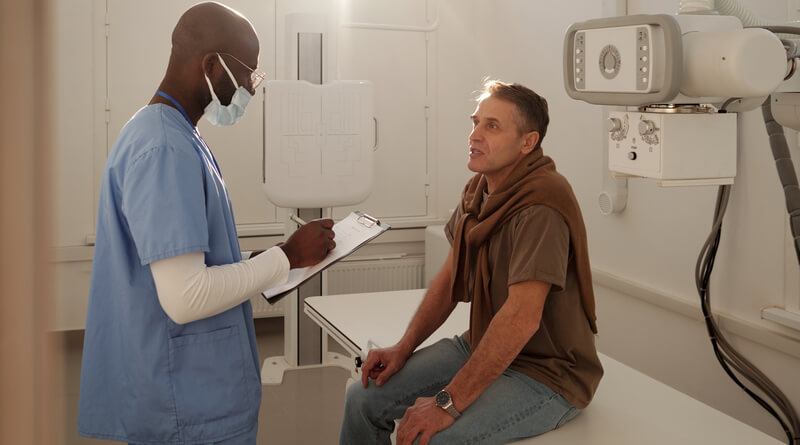
Every patient should receive the same standard of care, regardless of background or socioeconomic standing. Sometimes that means adjusting processes and protocols to ensure patients with specialized cases or disorders are kept safe and secure.

There’s still a lot of stigma around treating patients with substance use disorders and what that process looks like. Here are some actionable ways to improve patient safety when treating someone facing addiction.

How to Improve Patient Safety in Substance Use Disorders

Create a Referral Network

Building a strong referral network to consult with experts and refer out is a must when working with patients facing addiction. This effort should be standard practice in areas with high rates of substance abuse disorders. 

In New Jersey, for example, there were 98,628 substance abuse treatment admissions in 2019. This information was submitted by providers of Alcohol and Drug Rehab in NJ to the New Jersey Substance Abuse Monitoring System (NJSAMS), indicating that many more individuals didn’t receive the treatment they needed. 

Medical professionals from all practices should make connections to work with treatment centers and help redirect patients they suspect are struggling with substance abuse.

Educate About Medical Identity Theft

Substance abuse disorders and medical identity theft go hand-in-hand. In some instances, people facing addiction will use another person’s identity and insurance to secure access to substances in an emergency room setting. In others, stolen information will be sold to help support the addiction. 

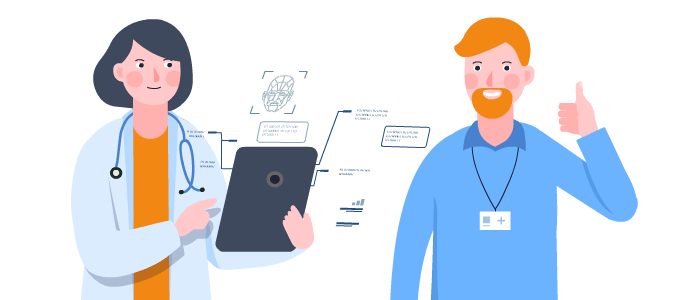
The first step in preventing medical identity theft is building awareness so all staff members know about the issue, the risks involved, and the red flags to watch for. Then, implementing software and protocols to mitigate the risk of medical identity theft is integral. This means working with registration staff to collect personal identification and verify the information and implement IT solutions for support, such as touchless biometric patient identification platforms like RightPatient that have a track record of preventing medical identity theft in real-time.

Work to Reduce the Stigma

Many people with substance use disorders or suspected of having an addiction are treated poorly by practitioners. While being aware and cautious about drug-seeking behaviors is critical for security and safety, it’s also important not to be jaded or callous. Dehumanizing patients creates more barriers to seeking treatment, which could be life or death.

Research shows that substance abuse disorder training in a healthcare setting can help adjust beliefs and behaviors surrounding patient treatment. Teaching staff to use patient-centric and recovery-centric language can help further reduce bias and stigma when treating patients.

There’s also a lot of controversy in the medical field about medically assisted treatment (MAT) for people with opioid addictions. This issue persists despite the favorable peer-reviewed research that shows a diminished risk of relapse and overdose death when MAT is used. 

Consider making a Reducing Stigma Education Tools (ReSET) training program a part of the onboarding process when hiring new staff. These training programs are designed for healthcare professionals and use examples of real humans facing substance abuse disorders to discuss what they’ve faced and how healthcare providers can improve their safety and quality of care.

Put Security Measures in Place

 Putting physical security measures in place is also important for protecting patients with substance abuse disorders. Ensuring medicines are locked with controlled access, individualized passwords, and security professionals monitoring secured areas is a must. 

Documentation is another essential part of patient safety and security in preventing drug diversion. There should be clear documentation and procedures surrounding diagnostics and treatment delivery, as well as rigorous standards for recordkeeping. Limited access to controlled substances is essential. Those with clearance should be responsible for inventory updates and cross-referencing patient records to identify if there are any issues.

There should also be clear protocols in prescribing controlled substances with limited access to ordering software. 

Engage in Trauma-informed Care Practices

Many substance users turned to drugs or alcohol as a coping mechanism for something in their lives. There’s a strong correlation between substance abuse and trauma. Children who have experienced abuse or exposure to traumatic events are more likely to develop a substance use disorder. Similarly, people are more likely to experience trauma while actively using. This occurrence is prevalent among women with substance use disorders, who are more likely to experience sexual violence.

Protecting patient safety means avoiding re-traumatization during care. This practice can look different for each patient. Ensuring you have support options available for those who need it during treatment is essential. For example, a domestic violence victim may feel more comfortable with a female doctor. Additionally, some patients may need detailed explanations of what procedures you’re considering and why so they can give (or deny) informed consent.

Training in trauma-informed care and empowering patients helps minimize the risk of triggering events that could lead to further substance abuse. A trip to a healthcare professional should never do more harm than good.

Perform Internal Audits

The best way to evaluate whether a system is working or not is to try and break it. Performing internal audits and tests is an effective way to identify gaps and make adjustments to improve patient safety before someone is harmed. 

Organizing and conducting an internal audit is complex and time-consuming. It starts with having clear goals and metrics to evaluate, then outlining review protocols for capturing data. It’s also important to clarify patient population demographics and the sample size you’ll be reviewing. 

One audit is never enough; reauditing is how you create measurable data. Use this data to reshape your protocols, access controls, and training priorities to ensure a better quality of care. 

Patients with substance use disorders are humans with medical problems. Ensure your treatment of a physical ailment or illness doesn’t exacerbate or trigger their mental health or addiction.


5 Ways to Improve the Patient Experience

5 Ways to Improve the Patient Experience

5 Ways to Improve the Patient Experience

Very few Americans report being pleased with the healthcare system. Granted, this isn’t the same thing as saying that they are being given poor care. The United States may not top the charts with healthcare outcomes but it does consistently enjoy high-quality technology and medicine, such as touchless patient identification platforms like RightPatient. 

Nevertheless, there is always room for improvement and small adjustments can make a big difference, both in terms of patient outcomes, and general satisfaction. In this article, we take a look at five relatively simple ways you can improve the patient experience. 

5 Ways to Improve the Patient Experience

Be Attentive

Most lay people would be astounded by how much traffic even a typical doctor’s office gets each day. Dozens of patients filter in and are often afforded mere minutes with their care providers. The sheer number of people coming through creates an obvious need for speed. 

While it is important to keep things moving along, don’t allow the need for efficiency to come at the cost of the patient experience and engagement. Be attentive, and handle questions with patience. 

Trendy electronic health services like apps and other remote communication technologies are serving to alleviate some of the pressure on the healthcare system. With some patients electing to handle their questions remotely, it becomes easier to give people physically in the office a little more time and attention. 

Keep Things Realistic

No matter the situation, it’s important to give patients a very clear understanding of where they are at with their health. Sometimes this will mean being blunt. If a patient is overweight, they should leave the office understanding how this puts their overall health and well-being at risk. 

Often, this means having unpleasant, or uncomfortable conversations with patients. That’s ok. The healthcare system does not exist to make people feel good about themselves. It’s there to help patients achieve the best health possible. That can’t happen unless they have a clear, unfiltered understanding of where they are at, and what needs to improve. 

Explain in Detail

It’s also important to keep in mind that patients may know little to nothing, even about things that seem standard to you as a healthcare provider. A recent study revealed that almost 80% of adults with high blood pressure aren’t monitoring the condition regularly, with many not even knowing how. 

For a significant portion of the population, annual doctor visits may be the only time they examine their health in detail. The more information you can give them, the better off they will be.

Keep in mind that just because a patient hasn’t asked a question, that doesn’t necessarily mean they understand what you are saying. The patient may not even know that they should ask a question. Anytime you learn something important about a patient’s health, make sure they leave the office with a very clear understanding of what it means, and how they should be handling it. While you can’t control how they handle their health outside of the office, you can give them all the tools they need to make the right choices. 

Take and Implement Feedback

The healthcare industry isn’t exactly known for its customer service. This makes sense to an extent. Health is an important, serious consideration. Niceties seem unnecessary, even obstructive. 

While you don’t have to treat the hospital system like Amazon customer service, you should consider, and in certain cases, implement patient feedback. This doesn’t mean bending over backward to accommodate patient requests.

Many common complaints — long wait times perhaps topping the chart — are born primarily out of a lack of understanding by the patient. 

Still, you can learn important things about the patient experience by listening to what they say with an open mind. 

Provide Multiple Customer Service Channels

It’s no secret that interacting with the healthcare system can be a difficult and unproductive process. Hospitals aren’t fully to blame. They are short-staffed, and often overwhelmed by the number of people requiring their service. Sometimes, this doesn’t leave very much time to answer the phones. 

Implementing multiple channels of patient communication alleviates the stress on the system and makes it easier for patients and hospital staff alike to go over the information. 

Digital forms of communication, such as healthcare applications, make it easy for patients to ask questions that aren’t particularly urgent. Am I allowed to eat before this appointment? Is it ok if I bring my children with me to the waiting room? Etc.

When hospital staff doesn’t have to constantly field relatively minor concerns, it gives the phone operators more time to deal with serious questions. 

Naturally, not everyone will want to use apps for their healthcare communication. However, by making it an option, you improve the overall experience for everyone and make it easier to communicate quickly with patients. 

Why Seniors Are Targets for Medical Identity Theft

Why Seniors Are Targets for Medical Identity Theft

Why Seniors Are Targets for Medical Identity Theft

No one likes to think about their sweet and caring grandfather being the target of identity theft. Unfortunately, criminals often cherry-pick the elderly as unwilling accomplices for their crimes. Medical identity theft, which is on the rise, is frequently the tool criminals use to commit fraud and theft using the names and personal information of the elderly.

So, why are older people so vulnerable to the threat of medical identity theft? There are many reasons criminals prefer to target seniors in their attempts to scam people and profit off of the identity of others. Here’s what you need to know to keep yourself or your loved ones safe.

Why Seniors Are Targets for Medical Identity Theft

What Is Medical Identity Theft?

Everyone knows what identity theft is — someone steals your personal information and pretends to be you for a specific purpose, such as using your credit card or opening an account in your name. Medical identity theft is a specific kind of identity theft that involves insurance fraud for financial gain.

To commit medical identity theft, a criminal begins by accessing someone’s personal medical information. If they have access to that person’s name, social security number, and other important details, they can use it to bill insurance companies for procedures that the person did not receive. Even caregivers and family members of seniors who can no longer care for themselves full-time have been known to commit medical identity theft.

Medical identity theft can be hard to prevent. Data breaches are common in the healthcare industry and most people have had their information exposed. It’s a very profitable form of identity theft fraud due to the difficulty of catching criminals and the high costs billed to insurance companies.

Seniors Often Have Chronic Health Issues

One reason seniors are frequent targets for medical identity theft is that they often have chronic health issues. This makes it relatively easy to bill for treatments and procedures that never actually happened. It’s more believable for a senior to have ongoing health issues that require treatment than it is for a person who is young and healthy.

Older People Can Be Less Tech-Savvy

Another problem that tends to make seniors disproportionally targeted for medical identity theft is that older people are frequently less tech-savvy than younger generations. A senior might not know how to protect their privacy online and they might not monitor their healthcare billing regularly, since that could involve accessing an online portal.

There are, of course, seniors who have embraced technology and know how to use it well. However, that doesn’t always protect them from medical identity theft. If their data was exposed during a breach at a major health organization, it could be used for fraud purposes.

While there are major benefits to digital health storage, such as the availability of biostatistics to boost public health initiatives, electronic records also open people up to the theft of their sensitive health information. It’s important to help seniors protect their information if they don’t know how to follow best practices themselves.

The Elderly Are Often More Trusting

Although people do gain wisdom as they get older, some people also become more trusting. They might provide their personal information to someone without realizing the risks of doing so. Unfortunately, that often leads to unscrupulous people targeting and taking advantage of aging people who are excited to create new social bonds with people they believe to be friends.

They Want to Maintain Their Independence and Can’t Risk Speaking Up

When seniors discover that they have been victims of medical identity theft and other scams, they are often embarrassed or worried about what will happen if they speak up. If the perpetrator is a relative, they might not want to get that person in trouble with the law. This makes it harder to catch people who commit medical fraud.

Or, they might be worried that their relatives will worry about their ability to care for themselves and insist on moving them to an assisted living facility. Most seniors who still live independently don’t want to give that freedom up.

Ways Seniors Can Help Prevent Medical Identity Theft

It’s not always possible to prevent medical identity theft, but there are steps seniors and their loved ones can take to reduce the chances of becoming a target. These include:

  • Securing important documents in a safe or similar location 
  • Shredding documents containing personal information (including prescription labels) when they are no longer needed 
  • Being skeptical of phone calls, emails, and texts that ask for insurance information
  • Monitoring healthcare billing notices for fake charges
  • Be careful about clicking on links, especially those sent in emails
  • Know the laws surrounding patient data

Sadly, family members cannot always be trusted. Many people steal from elderly family members. Seniors need to be extremely careful about who they trust with their personal information and decision-making power. By taking these simple steps, older adults can reduce the chances that they will become victims of medical identity theft.

Moreover, healthcare providers also are proactively combating medical identity theft using various tools – one of which is RightPatient, a touchless biometric patient identification platform. During the registration process, patients only need to look at the camera – the platform attaches photos to the appropriate medical records. Whenever a registered patient returns for a visit, the platform matches the live photo with the saved one, effectively preventing medical identity theft. If a fraudster comes in and tries to impersonate the patient, RightPatient will red-flag the individual in real-time.