

How Biometrics Impact Warehouse Operations

How Biometrics Impact Warehouse Operations

How Biometrics Impact Warehouse Operations

Biometrics are an asset in the healthcare industry to help patients more effectively and expand access to preventive care. The warehousing industry is quite an accident-prone field requiring much attention and care.

Fingerprints, facial recognition, iris scanning and other forms of biometric technology may initially seem to have no correlation in such a manual-based field. However, automation is becoming more widespread. Its application can improve medical technology and care for the professionals working in such operations.

How Biometrics Benefits Warehouse Operations

Biometric technology can deeply influence multiple processes and facets of warehouse floors. Medical experts and industrial workers can collaborate to fine-tune operations for better safety and security.

Better Safety

Warehousing is a workplace vulnerable to accidents. For example, more than 96,000 forklift incidents happen each year, with cases varying in severity. Safety training can minimize such occurrences, and biometrics can bring those numbers down further. For example, verify worker attendance to seminars and workshops with their biometric data.

Biometric technology can also help with safety. For example, some wearable devices can track vital signs like heart rate and blood pressure. If medical technology experts and warehouse professionals can access this real-time data, they can deduce when a person is in danger, making it quicker to provide aid when needed.

Enhanced Security

Biometrics is known for being a great security measure. In health care, it’s used to sort out and protect medical records from being tampered with. Warehouses typically have an abundance of workers, which makes security even more important.

Warehousing operators can also find similar uses for biometric technology on the premises. Its authentication can prevent unauthorized access to higher-level rooms and grounds. It can also be used to protect sensitive data and information stored on computers through biometric authentication.

Improved Efficiency

Biometrics can ramp up productivity in warehouse operations. With data in hand, medical experts can look for signs of fatigue in workers. These insights allow them to prescribe preventive measures and care to ensure they stay healthy and perform duties as usual.

Biometric systems are also helpful in streamlining warehousing processes. For example, people’s fingerprints can simplify access to inventory. Managers also get a record of which personnel are touching those products.

Error Reduction

Errors are costly in health care. Biometrics offers precise access control and vital information to minimize mistakes in multiple tasks, such as retrieving medical records and monitoring workers. These systems can also do wonders for warehousing operations like item tracking and shipment verification. How Biometric Technology Is Used to Monitor Athletic Potential

Biometrics to Incorporate in Warehousing

Biometric data is unique to each individual, but there are many examples of ways this technology can aid warehouse operations.

Fingerprint Recognition

Fingerprint recognition is a popular form of biometric data, as it requires simple registration and good authentication. Scanners take warehouse workers’ fingerprints, restricting or providing access control as needed. Medical technologists can use this data to match the records to the patients.

Facial Recognition

Facial recognition is more helpful for on-site warehouse operations. This biometric technology is suitable for identity verification in the building. It can also be used for monitoring and tracking workers throughout the premises, which is ideal for companies in more extensive warehouses. If operators seek more accurate identification, iris scanning may be more viable.

Wearable Devices

Warehouse workers are under plenty of stress to complete operations. Depending on the model, wearable devices like watches or earphones can monitor vitals like heart rate, blood pressure, oxygen levels and more. This technology can allow managers and healthcare providers to keep track of their condition without overly inhibiting work.

Future Trends for Biometrics in Warehousing

Warehousing leaders are already paving the way toward further use of biometrics in operations, but there’s still more to come as this technology is further developed. Here are some future trends to look out for.

Voice Recognition

Warehousing is quite hands-on, and it requires plenty of detail. Voice recognition offers an easy way for workers to provide verification without having to remove any headgear or gloves when moving through the premises. It can also command tasks when incorporated with automation practices.

Behavioral Biometrics

Behavioral biometrics is a more digital form of data that focuses on distinguishing patterns between different device users. For example, it’s possible to track navigational patterns or typing speed on computers. That information can be utilized to optimize processes, detect fraudulent activity and prevent tampering.

Heart Rate Biometrics

Biometric technology can already track heart rate in real time, but there may still be inaccuracies depending on how the technology tracks it. Heart rate biometrics aims to smooth out those bumps to provide definite metrics.

Elevate Warehouse Operations with Biometrics

Integrating biometrics can significantly improve warehouse operations and safeguard people’s health and well-being. Technology and data can also improve other facets of the business, like productivity and efficiency.

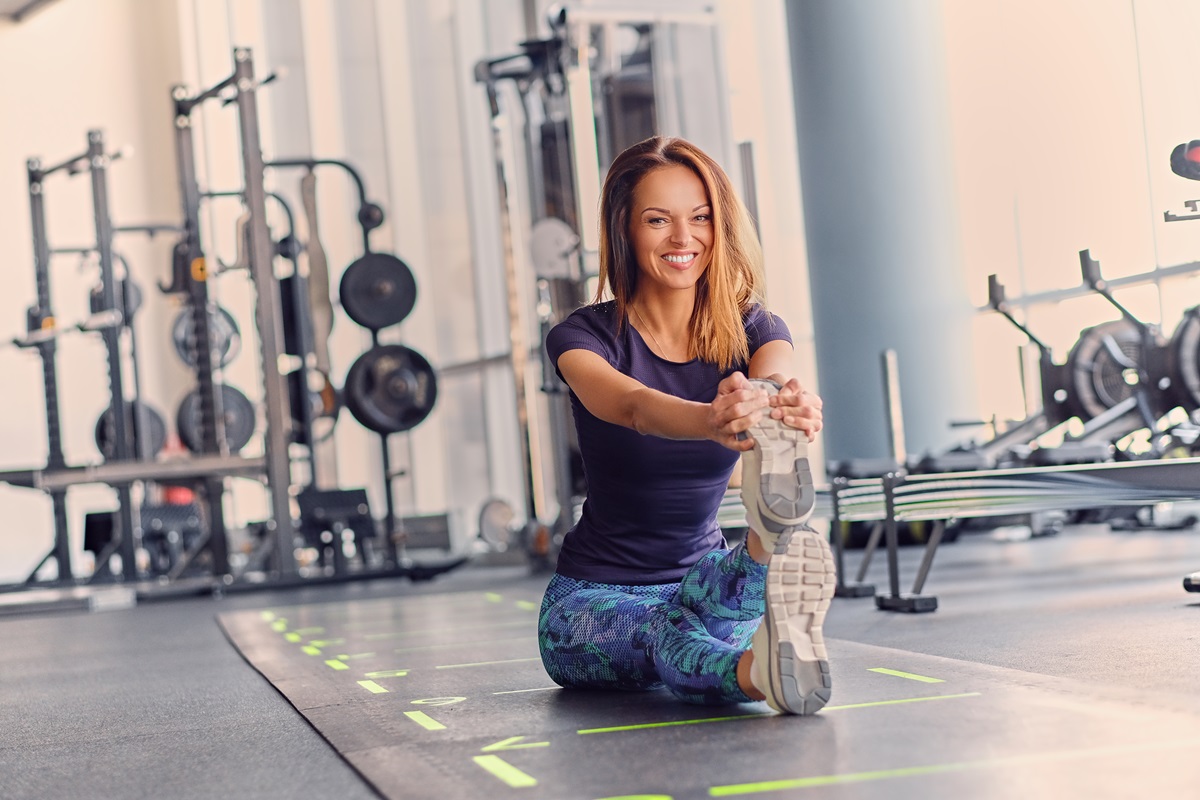
Harnessing Biometrics: How Personalized Data Can Revolutionize Your Fitness Journey

Wellness and technology are two of the most rapidly evolving sectors, and they’ve been working hand-in-hand to reveal some extraordinary insights about our fitness and well-being.

Recent advancements have introduced the integration of biometric data into fitness, a global movement that has proven to be a total game-changer. Now, health professionals and individuals across the globe are part of this revolution, utilizing biometric devices to unlock their bodies’ secrets and create personalized fitness plans.

With that said, here’s a brief guide on how biometrics made its way into the fitness world and why you should use it to stay fit and healthy.

Origin Of Biometrics In The Wellness Sector

We all have unique physical and behavioral characteristics that help set us apart from the rest of the population. Biometrics is the statistical analysis of this information or data.

While it’s commonly used for personal identification and security systems, biometrics has recently become the shining star in health and wellness management. It can help assess heart rate, blood pressure, dietary habits, menstrual cycles, sleeping patterns, activity and stress levels, genetic makeup, and many other factors, allowing us to understand our health better. 

Apple Health was the primary pioneer in this field, and in 2014, the first Apple Watch was launched. This device later changed the face of biometric tracking and brought it to its current stage. Apple’s smartwatch also integrated information from other apps and devices to provide accurate predictions and advice.

Joining many tech-driven trends in healthcare, biometric devices and their capabilities are ever-evolving to provide comprehensive guidance on our overall health, 

The Revolution of Biometric Wearables

Whether your fitness tracker tells you to spend 15 minutes jogging on the treadmill at five mph or perform six sets of bench presses, it only knows what is ideal for your body because of your biometric data.

Wearable fitness devices gather precise details about your physiology and physical activity through sensors, turning your body’s signals into tangible data.

These are common sensors used to collect specific biometric data:

  • PPG: Photoplethysmography sensors use a simple LED light to measure heart rate; it checks any light absorption in the blood flow under the skin to detect any changes.
  • Pulse Oximetry: These sensors use LEDs to check blood oxygen levels; this helps detect changes in your baseline and indicate progress. 
  • Bioimpedance: This electronic device sends small currents through your body to measure body fat percentage and resistance, which helps estimate body composition.
  • Accelerometers: These can detect movement and accelerated forces in the 3D; this tech helps track the number of steps or any other movements you make.

Fitness Biometric Feedback For Personalized Fitness Plans

Biometric feedback for fitness refers to collecting and analyzing an individual’s physiological data, such as oxygen saturation, body temp, heart rate, muscle activation patterns, etc., during exercise.

Wearable devices help capture this real-time biometric data and provide crucial insights into how a person responds to different forms of physical activity. 

How can this help personalize your fitness plans? Let’s find out:

Pre-Planning

Knowing your workout plan in advance helps prepare you for equipment, diet, sleep schedule, etc. If your fitness plan says you need more lean protein, you’ll know to shop for poultry or seafood. 

Similarly, when your plan mainly comprises cardio workouts, you’ll know to invest in cardio machines like treadmills or stationary bikes. If it suggests strength training, you must buy appropriate weights and power racks for safer workouts

You may have to adjust your daily schedule to accommodate these workouts, and having a consistent plan helps with that, too. It also allows progress tracking and encourages taking accountability for regular exercise.

Customized Intensity And Duration

Besides the overall workout plan, biometric feedback helps you understand and adjust the intensity of your workouts based on heart rate monitoring; this allows you to stay within specific workout categories (burning fat, anaerobic, aerobic) for the best results. 

Sensors in fitness trackers can also detect muscle fatigue, which allows you to modify workout sets and repetitions based on your physical capacity. Biometrics also shows your body’s oxygen saturation, helping you personalize the duration of your workouts. 

For example, if high-intensity intervals drastically reduce your oxygen saturation, workouts in shorter bursts may be a more practical option.

Recovery Needs And Strategy

Biometrics also includes details about heart rate recovery, which involves monitoring how fast the heart rate is back to baseline after a workout; this provides crucial insights into cardiovascular fitness and recovery needs.

Similarly, tracking sleep patterns allows you to manage the training load based on how much restorative sleep you receive. Furthermore, the rate of muscle fatigue, recovery patterns, and movement patterns can help devise the right strategy to help your body recover.

Proactively approaching these insights helps identify potential risks, which allows you to make the necessary changes in your routine and daily habits. In return, this practice reduces and prevents injuries. 

Nutritional Guidance

Based on your biometric data, you can develop healthy eating habits and change your dietary choices. Smart glucose monitors reveal how different foods and physical activity affect your blood sugar levels, allowing you to plan your meal timings and composition.

You’ll better grasp the three main macronutrients: carbs, protein, and fat; this helps you understand how each component affects your body, and you can adjust them for optimal performance and health.

For example, you’ll know to include more protein in your diet to speed up muscle recovery and growth or more fat for hormone production. 

Parting Thoughts

Among the many technological marvels, biometrics for fitness intertwines physical health with our everyday lives. This makes it a deeper concept that helps us understand ourselves and build a healthy connection with our bodies. As the field evolves, we’ll see new advancements promoting physical and mental well-being. 

How To Grow Your Career In Nursing

How To Grow Your Career In Nursing

How To Grow Your Career In Nursing

Is there room to grow in the nursing industry? We’re glad you asked because the answer is a resounding yes! Nursing is one of the most in-demand jobs in Australia due to a number of different factors, including the lack of healthcare workers. 

So, for those who have attained their undergrad in nursing and still want to know how they can take their career to the next level, you’ll be happy to know that career advancement is high if you’ve got the determination and gifting and are willing to put in the hours. So, what can you do to grow your nursing career? 

In this article, we’ve got some helpful tips to keep in mind right from the get-go of your nursing career that you can use to get ahead. 

  1. Don’t be afraid to ask questions

Knowledge is power, and unless you ask the right questions you’re not going to know what you need to know. This not only goes for asking your managers and supervisors for help, but it also pertains to asking the patients the right questions, too. Getting clarification and confirmation is one way to help you avoid making mistakes. 

  1. Find your field, but be willing to explore

One thing that you have to understand about nursing right from the start is that there are many different fields, each with its own setting and specialties. So, just because you start out in one unit doesn’t mean you have to stay there – not everyone wants to be in the ER. Try working in different fields and search for the area where you think you’ll thrive, and we’re not just talking about your first years of nursing. What you loved in your twenties might not be so ideal in your thirties, and it’s okay to switch if you need a change.  

  1. Find yourself a good mentor

One of the best things you can do in your nursing career is find yourself a good mentor. Find someone who you look up to in your workplace and who is experienced, and ask if you could meet up with them over coffee. This is a great way to get advice, learn from their experience, and get constructive feedback. They might also be able to help you network better and find the right people to open doors in your career. 

  1. Cultivate adaptability

Due to the dynamic nature of healthcare, things change quickly and it requires you to work on your toes. To succeed in nursing, approach every situation with the ability to adapt quickly. The way to do this is to have an open mind when it comes to new methods, protocols and tech. 

  1. Never stop learning 

Along the same lines as being as adaptable as possible, you should also try and embrace lifelong learning. Why? Isn’t your degree enough? Well, considering all the new research, technology and everything else that keeps adapting in healthcare, the only way to stay up to date on all the new things is to keep on learning. Go to workshops and conferences when the opportunity arises. Listen to podcasts, and keep a keen eye on the Australian Government’s Nursing and Midwifery resources page


Studying further and getting a postgraduate diploma or even your Master’s in Nursing, depending on what your goals are, will help bolster your resume and help make you a standout candidate for managerial and leadership positions. 

  1. Sharpen your communication skills

Nursing requires professionals who can communicate effectively for the sake of your patients. This means working on your active listening skills and being able to convey information in a way that is both clear and shows compassion. 

  1. Be organised

As a nurse you’re going to have a lot of tasks to juggle everyday, so you’ll need to do your best to be as organised as possible. A great way to do that is to write down your plan for each day, because you will face interruptions and having a general plan can help you keep on track and feel less frazzled. 

  1. Set yourself some goals

To stay motivated on what you want in your nursing career, just like anything else in life, set yourself some goals. First, establish what your long-term professional goal is, and then establish some short-term goals. The most effective plan when setting your goals is to work on a timeline and ensure that they are SMART: 

  • Specific
  • Measurable
  • Achievable
  • Relevant 
  • Time-based 

As time goes on and you start to progress in your career, then you’ll need to reassess and adjust according to the new circumstances. 

Final Thoughts 

Nursing is a career with so much potential for you to grow, whether you’re fresh to the industry or have been in it for years – it all depends on what you make of it and if you’re willing to grow. Adopting a mindset that is hungry for learning is always going to benefit you, so don’t be afraid to ask the questions, find a mentor and further your studies to get to where you want to go.