4 Benefits Of Keeping Electronic Health Records

4 Benefits Of Keeping Electronic Health Records
4 Benefits Of Keeping Electronic Health Records

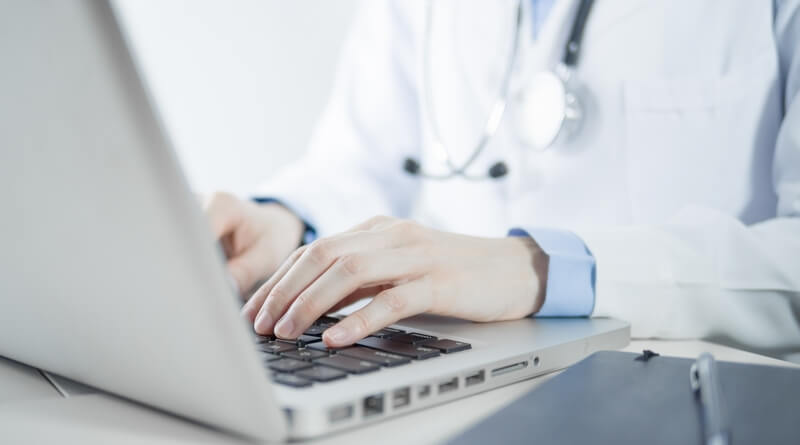
Keeping electronic health records can ensure timely and accurate exchange of vital information between providers. It can also enhance patient care through 24/7 access to a complete record. It also allows greater continuity of care by allowing access to patient records and lower error rates compared to paper-based systems.

What Are EHRS?

Electronic Health Records (EHRs) are digital records of a patient’s health information. This includes their medical results and notes. EHRs are used to manage and track the medical history of patients electronically. This can be done by uploading a patient’s file to a server, where it is accessible by doctors who want to access the information they need. Most reputable doctors, including concierge MD Erin Reese, swear by this system.

4 Benefits Of Keeping Electronic Health Records

Benefits of Maintaining Electronic Health Records

Minimal Errors

Keeping electronic health records can help you avoid errors in patient care and save time by digitizing your records. When you use electronic health records, you can see all your patient’s health information in one place. This means you will not have to search through paper files or go back and forth between different locations to get all their information. In addition, these systems allow for faster communication between providers and patients. This is because they can electronically send information back and forth.

Better Access

Many doctors, nurses, and other medical professionals say that electronic health records (EHR) offer better access to patient information. This can be important for patients who find it difficult to get in touch with their doctor or cannot visit their primary care physician.

When EHRs are used properly, they allow medical professionals to keep track of a patient’s history. They can even watch any changes in their condition. This can help them make better decisions about treatment options for each patient.

Simplified Billing

Keeping your electronic health records up-to-date is important for several reasons. You may not have thought of the benefit it provides to your medical practice’s billing department.

As you know, keeping your EHRs up-to-date allows you to make sure that each patient has an accurate record. This can be especially important for patients who have recently moved and changed insurance plans. These patients will need their files transferred over to their new providers. You will also find that it makes it easier to provide services to your patients and bill their insurance companies.

In addition, by keeping your records up-to-date, you will find out which patients need follow-ups. You can also check who has upcoming appointments scheduled with other doctors.

Better Patient Medical History Record

Keeping electronic health records may seem like a hassle, but there are many benefits to it. One of the biggest is making your patient’s medical history much easier to keep track of.

When dealing with paper records, it’s easy to lose track of what has been done with them and where they are. With an electronic record system, though, you’ll always know where your files are. You can even set up alerts so that you’ll be notified of any changes that have been made or if new documents need your attention.

This can help prevent mistakes during treatment and ensure that the most up-to-date information is always available for doctors who are treating your patients.

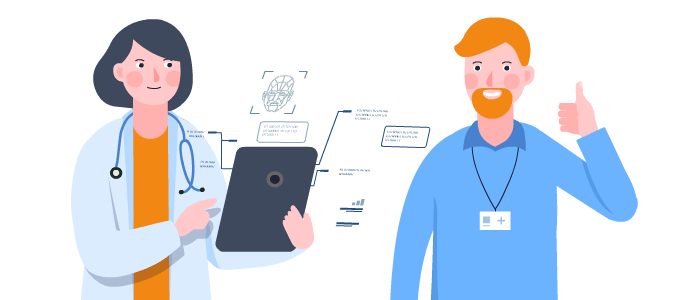
However, many healthcare providers are using touchless patient identification platforms like RightPatient to ensure patient data integrity and reduce patient mix-ups. Not only does it help ensure that accurate data is being fed to EHRs but it also ensures patient safety as patients receive the appropriate treatment required. 

Conclusion

In the end, it is electronic health records that can benefit patients and doctors alike. Without them, there could be inevitable delays in care. We hope this has provided some insight into what electronic health records are and how it works to benefit all parties involved.
How-Advanced-Practice-Nursing-Impacts-Patient-Care

How Advanced Practice Nursing Impacts Patient Care

How-Advanced-Practice-Nursing-Impacts-Patient-Care

Nursing is no longer limited to merely a supporting role in healthcare. Nurses can chart a career path in many specialties and at different seniority levels. As a result, more nurses are completing advanced nursing degrees, such as a master’s or doctor of nursing practice (DNP).

How-Advanced-Practice-Nursing-Impacts-Patient-Care

This increase in advanced practice nursing benefits the sector in many ways. Here’s how advanced practice registered nurses (APRNs) impact patient care.

Nurse practitioners can act independently

As nurses progress up the education ladder, they gain more skills. Nurse practitioners (you reach NP status when you have a master’s or doctor’s degree) can act with more autonomy than registered nurses who hold a bachelor’s degree. 

The scope of responsibilities differs from state to state. In states where nurses have full practice authority, they can:

  • conduct physical examinations
  • order diagnostic tests
  • make certain diagnoses
  • put together treatment plans
  • manage chronic conditions
  • prescribe certain medication

In reduced practice states, nurse practitioners can order tests and diagnose but may require physician oversight to prescribe medication. In restricted practice states, nurse practitioners must perform all tasks under physician supervision or with physician collaboration. 

They can provide greater support in emergency care

Emergency and critical care facilities are often under strain during times when there is an influx of patients. Because nurse practitioners have advanced medical training, they would be able to treat patients at low to mid triage levels, allowing doctors to focus on more urgent and life-threatening cases. 

They can fill the gap in the shortage of healthcare workers

Globally, the healthcare sector is facing a skills shortage crisis. The World Health Organization (WHO) estimates that there will be a shortage of 18 million healthcare workers by 2030 and an additional 9 million nurses and midwives will be needed to meet the UN’s Sustainable Development Goal 3. 

Additionally, the Association of American Medical Colleges expects a shortage ranging between 46,900 and 121,900 physicians come 2032.

These stats are alarming and to make matters worse, many healthcare workers quit the profession during the COVID-19 pandemic or are planning to leave soon. Thus, there will be an urgent need for healthcare workers with advanced skills in the future. 

Nurses who complete a master’s or doctor’s in nursing practice program today can step into this vacuum so that patient care isn’t compromised in the future. 

They can open their independent nursing practice

In full-practice states, nurses can operate their independent nursing practice without physician oversight. This offers patients an alternative to seeing a doctor for preventive healthcare, to treat minor health issues, and manage chronic conditions. It also alleviates the caseload for physicians who are stretched to capacity. 

Nurse practitioners must meet the following educational and licensure requirements:

  • Have completed an advanced nursing degree program, such as a doctor of nursing practice program. 
  • Passed a national certification exam with a recognized certification board, such as the American Academy of Nurse Practitioners. 
  • Have a valid state license. 

To continue practicing, most states require that nurses renew their certification every five years and their license every 2 years. 

They can specialize

Nurses, just like doctors, have the option to specialize. Nurses who complete an accredited doctor of nursing online program can choose a concentration in pediatrics, adult-gerontology, midwifery, and mental health, to name a few. 

Nurses who specialize can act as a second set of eyes to the physician. Their focused training means they could spot changes in a patient’s physical or mental health or catch early symptoms that a doctor may have missed. 

They can influence policy

Nurse practitioners who wish to move into leadership roles in healthcare can complete a Doctor of Nursing Practice Degree or a Ph.D. 

A DNP is more clinically focused while a Ph.D. is more research-focused. Both will allow a nurse to rise to a more prominent role, one in which they can influence policy, advocate for improvements in patient care, and champion patient safety rights. 

They can shape future nurses

Nurse educators are in big demand and are likely to become more sought after to help train a new generation of nurses. Training isn’t limited to clinical practice but also to new technology, techniques, global healthcare trends, and the policy environment. 

The healthcare industry is changing and so are patients’ expectations. Nurses will need an understanding of concepts such as health tech, telemedicine, data analytics, artificial intelligence, integrative medicine, and personalized medicine. 

In conclusion

A career in nursing no longer needs to follow one linear path. With the right training, there are hundreds of nursing specialties to pursue. Advanced practice registered nurses are at the forefront of serving the patients who require specialized care. 

How-Telehealth-Is-Helping-Seniors-After-The-Pandemic

How Telehealth Is Helping Seniors After The Pandemic

How-Telehealth-Is-Helping-Seniors-After-The-Pandemic

Telehealth is a far more flexible healthcare delivery service compared to traditional means and has been around for ages. However, it took an upward trajectory quickly during the pandemic, and little is known about how it is helping seniors after the pandemic.

Learn more about how telehealth is benefiting seniors and their families post-COVID.

How-Telehealth-Is-Helping-Seniors-After-The-Pandemic

6 Benefits Of Telehealth To Seniors

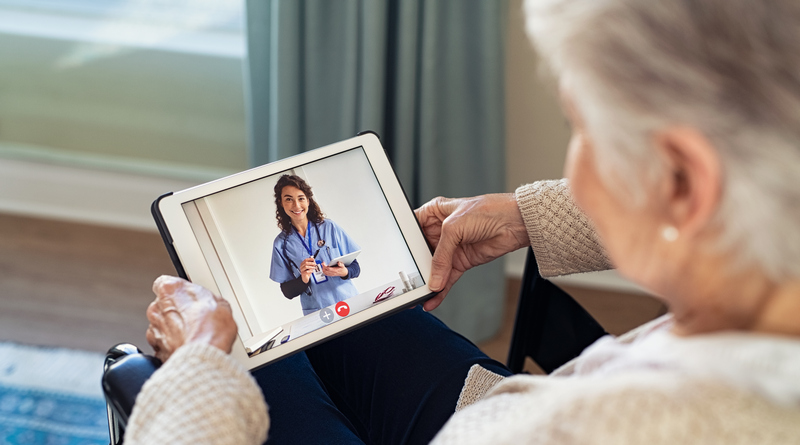
Telehealth allows seniors to consult with their doctors remotely using either live video, instant messaging, or audio via telemedicine apps. Let’s go over the benefits. 

Reduced hospital visits, hence saving time

Placing a loved one in a nursing home is costly for most families. They are therefore left with no choice but to move in with their loved ones to care for them. With responsibilities of their own like caring for their children and holding down a career, shuttling their loved ones to and from the hospital every so often can be a tall order. 

Telehealth, in this case, helps reduce the number of hospital visits to save time for their caregivers as well as reduce the strain on seniors of having to commute every so often.

Improved overall patient care

Senior patients tend to have a myriad of medical conditions that require them to visit different specialists constantly. This can become quite a burden to many aging patients, particularly those residing in the rural areas where access to healthcare is a challenge. 

With telehealth, these patients can get proper healthcare attention right from the comfort of their homes. This improves their general health, enabling them to live longer and improve their quality.

Less Exposure to Germs

Telehealth helps to minimize germ exposure to senior patients with compromised immune systems, therefore, eliminating more risky situations because the ‘hospital visit’ is done remotely.  

Real-Time Monitoring

With remote monitoring, seniors can get real-time updates on their health statuses. This is unlike when they have to anxiously wait for days before going back to the hospital to get their test results. Also, physicians are able to get real-time reports and similarly,  give feedback almost instantly.

Fewer emergency Situations

It is reported that more than 50% of seniors delay seeking medical care because they feel it is strenuous and too time-consuming to go to the hospital. 

Giving them a chance to still get medical care without leaving their house will significantly reduce this number. Most importantly, it will help lower the number of emergency situations because they are able to be attended to before their conditions escalate.

Reduced costs

Using technology to deliver healthcare to seniors has helped significantly reduce travel-related costs. 

How Can Seniors Use Telehealth?

Well, there are many ways that seniors and their caregivers can take advantage of telehealth. 

For palliative care, caregivers can use telehealth to update the progress of their loved ones to their healthcare providers, as well as seek advice and feedback on how best to care for their loved ones.

Telehealth can also be used in managing chronic illnesses and transitional care for conditions like heart failure. It can also be used for primary care for seniors who are unable or have difficulty moving out of the home. 

Doctors can dispense medication, give progress reports, offer dietary information, and even provide consultation services to senior patients via telehealth systems.

On the other hand, seniors can record and send measurements like their weight, blood pressure, heart rate, sugar levels, and food intake. They can also check their test results, schedule an appointment, and request their prescription refills as well as share their diagnoses and drug allergies.

While telehealth has been more than helpful to seniors even after the pandemic, it hasn’t been without challenges. One of the biggest challenges for seniors has been the ability to navigate technology to use the various telehealth systems properly. Even though only a small percentage have embraced telehealth, the good news is that many more are willing to try it out.

That said, we encourage that you still consider in-visits when necessary, particularly when you feel all is not well. 

Of course, you can use telehealth for regular checkups and even take the initiative to learn how to maintain your wheelchairs and other assistive aids to minimize your visits to the doctor.