RightPatient-understands-importance-of-proper-patient-identification

Leading Hospitals Understand the Importance of Proper Patient Identification
RightPatient-understands-importance-of-proper-patient-identification

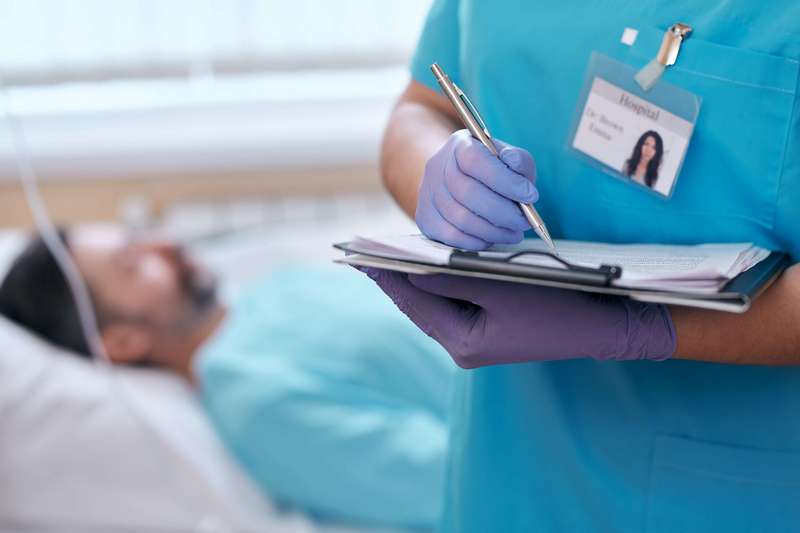
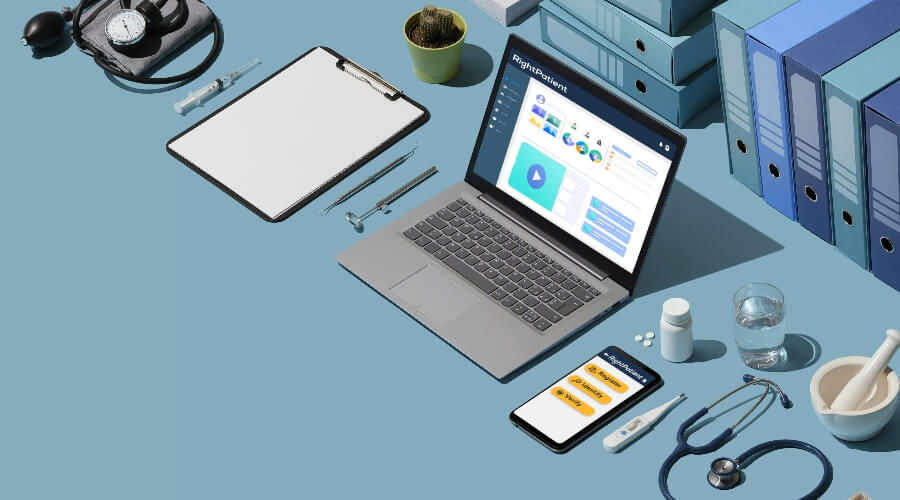
The importance of proper patient identification can be felt by hospitals, patients, and everyone else involved in the caregiving process. Positive, or proper patient identification refers to hospitals successfully matching patients with their appropriate medical records. However, in practice, this is very tricky. In fact, according to a study, 38% of healthcare providers stated that they had encountered at least one incident which directly ties in with patient misidentification in the past two years.  
RightPatient-understands-importance-of-proper-patient-identification

Why patient misidentification happens

Patient identification errors occur due to multiple reasons – duplicate medical records and overlays are just two of the many reasons. Duplicate medical records are created when a patient has more than one electronic health record to his/her name, whereas overlays referring to two different medical records belonging to different patients are merged. Both situations cause fatal harm to patients and cause irreparable damage to healthcare providers with their financials and goodwill on the line. Thus, the importance of proper patient identification is understood quite well by health systems.  

Strategies used by leading hospitals

Choosing the required number of personnel to handle a large amount of data is a must. A large provider can house up to 10 million medical records. If your one is such a health system, are you employ enough personnel to keep that humongous amount of data in check? A responsible provider not only need to ensure that the data is clean but also must maintain this state at all time. Entering clean data is one thing, but keeping it is another challenge entirely.

The selection of the software which fits your needs is the first and most important strategy. Do not opt for outdated software – these not only pose a security risk but may also be incompatible with your other software. Thus, choosing a method that enhances patient matching can save lives, for instance, a biometric patient identification platform. But more on that later. 

Obeying all laws and regulations may go a long way. In unfortunate circumstances, you can ensure your safety by letting the authorities know about the incident and your compliance with all rules to ensure the safety of patient data. 

Understanding the importance of proper patient identification

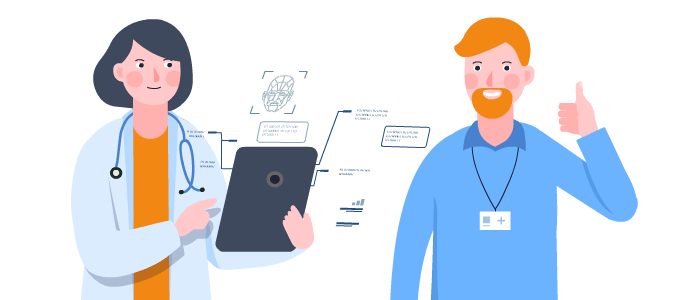
The last and most important thing – use a solution that ensures that patients are always positively identified. This is precisely where RightPatient can help you. It is a biometric patient identification platform that locks medical records with patients’ biometric data upon registration. After the registration, the platform can detect the medical record matched with the patient’s biometric data accurately within seconds. Leading healthcare providers such as Community Medical Centers and Terrebonne General Medical Center are protecting millions of patient records with RightPatient, thus ensuring positive patient identification and saving millions of dollars in the process. 
protecting-patient-data-is-challenging-for-hospitals

Protecting Patient Data is a Topmost Priority During the Coronavirus Pandemic

protecting-patient-data-is-challenging-for-hospitals

The last few months have been excruciating for the whole world due to the COVID-19 outbreak. Hospitals have been working tirelessly, tending to the unprecedented number of patients coming in. However, that has not stopped them from experiencing unwanted incidents like data breaches. However, even in this scenario, protecting patient data is a must. 

Protecting-Patient-Data-is-possible-with-RightPatient

An example

On March 20, University of Utah Health started notifying a number of its patients regarding a phishing incident followed by a malware attack. Back in February, the provider detected unusual activities on their employees’ email accounts. After conducting a thorough examination, they concluded that an outsider gained unauthorized access to those employees’ email accounts between January 7 and February 21.

The outsider did this by acting as a trusted source. Thankfully, the U of U Health was successful in securing the affected accounts. Some of the patient data, which was potentially exposed consisted of patient names, DOB, medical record numbers, as well as some clinical information. 

However, that was not the end of the data breach.

After detecting the phishing attack,  U of U Health found out that an employee’s machine might have contained downloaded malware on February 3. After scrutiny, the experts at  U of U Health stated that the malware potentially allowed access to parts of patient data, just like the previous one – names, DOB, medical record numbers, as well as some clinical information.

The matter is still being investigated, and however, U of U Health stated that they did not find any evidence that the affected patient data was misused. The healthcare provider is making changes to ensure that such unwanted incidents do not happen again. 

That is just one healthcare provider. There are numerous that are still facing data breaches, even during the coronavirus pandemic. The crisis makes it ripe for hackers to steal sensitive patient information, as hospitals are having a hard time dealing with the whole situation at hand.

Medical identity theft issues 

The hackers can steal patient data, and either use it for their purposes or sell it to other parties. The outcome is medical identity theft – someone else assumes the identity of the patients and uses healthcare services, which were initially meant for the patients. Medical identity theft causes the victims to receive shocking bills for services they never used. It can also lead to the healthcare providers being hit with lawsuits by the patients, claiming that the providers did not protect their sensitive patient data well enough. 

How are hospitals protecting patient data?

This is where RightPatient can help. With this contactless patient identification platform, medical identity theft can be prevented easily. RightPatient uses biometric data (such as iris) to store medical records along with capture photos of the patient. Later on, all a registered patient needs to do is look at the camera – RightPatient identifies the accurate medical records within seconds and provides it to the hospital staff. Even in the case of a data breach, patient records are locked with the patients’ biometric information. Thus, also if a third-party assumes the identity of the patient, the platform will immediately detect the fraudster – preventing medical identity theft and protecting patient data.

Also, it is of paramount importance that hygiene is maintained within hospitals, which is why RightPatient’s contactless identification platform makes it ideal for detecting accurate patient records during this crucial time without causing infection control issues. 

RightPatient-prevents-medical-identity-theft-stories

Medical Identity Theft Stories are Common in Emergency Departments

RightPatient-prevents-medical-identity-theft-stories

Medical identity theft stories are quite common – many patients in the Emergency departments (ED) may suffer from it. Many healthcare providers are unaware of this growing concern. Verifying the identity of patients when they meet in the emergency room often reveals red flags, and this usually happens. Healthcare personnel, both within and outside of E.D., need to be trained regarding the precise signs of medical identity theft. They also need to activate institutional policies to prevent virtual offenders like these from engaging in further illegal activities. 

RightPatient-prevents-medical-identity-theft-stories

What’s the reason for medical identity theft?

Healthcare institutions have been facing the growth of medical identity theft incidents. The perpetrators will try to use other individuals’ personal information, such as health insurance or social security number, without any acknowledgment of him/her. Most reasons for medical identity theft are receiving medical treatment and drugs, acquiring money by false claims of medical treatment, and fabricating medical records corresponding to those claims. These are the types of offenses that cause medical identity theft.

What’s the level of threat?

A survey conducted by the Federal Trade Commission ( FTC) showed that in 2005, 3% of all identity thefts, or 249,000 attempts, were related to medical identity theft. The Ponemon Institute conducted another assessment in 2013 and found that 1.84 million individuals were victims of medical identity theft. The identity theft rate in the emergency department may be higher as they are handling comparatively more patients, and such surveys do not show individual departments’ numbers. 

Who are the victims?

Healthcare providers, payers, and many other several parties are impacted by medical identity theft. But the patients might be the most prominent victims in these offenses. Inappropriate treatment and use of drugs may lead to alarming incidents. This may also lead to financial burdens, as healthcare providers will bill actual medical identity holders or their insurance carriers for the treatments they did not receive.

A threatening story of Identity Theft

Some cases demonstrate common incidents at emergency medical departments, which eventually resurfaced as medical identity theft. The joint efforts of multiple healthcare associates, registration clerks, nursing staff, security officers, and physicians made it possible to discover the incidents. On the positive side, they managed to deal with these situations without compromising patient care, and they followed the Emergency Medical Treatment and Labor Act (EMTALA) regulations throughout the process.

A notable incident is that an 18-year old male came to the Emergency Department with a headache due to his fall twelve hours before reporting. Afterward, he was questioned by the hospital security manager and a local police officer, as he appeared to the Emergency Department without any personal identification and didn’t validate his identity to the nursing staff or registration clerk. Moreover, his signatures on the hospital’s standard financial agreement and patient identification form weren’t matching with signatures given on the previous encounter. After 13 days, he was prosecuted with the information obtained by hospital security for the felony of medical identity theft and insurance fraud.

Put an end to new medical identity theft stories

Emergency Departments play an essential role in the cure of patients’ diseases. Such crimes can reduce patients’ trust in the healthcare system. RightPatient can extinguish this risk with its biometric patient identification platform. It locks the medical records with biometric data of the patients. Once the patient registers biometric data such as irises or fingerprints, only patients who have been verified by biometrics can access the record, thereby avoiding the opportunity for medical identity theft. This also helps hospitals identify accurate patient records within seconds. RightPatient can also eliminate patient matching errors by ensuring precise patient identification – enhancing patient safety.

patient-safety-in-hospitals-is-improved-with-accurate-patient-identification

Duplicate Medical Records Impact Patient Safety in Hospitals

patient-safety-in-hospitals-is-improved-with-accurate-patient-identification

Ensuring patient safety is one of the top priorities for any hospital. Experts suggest that the mismatch and duplication of patient data have damaged the U.S. medical system and caused potentially fatal consequences. Let’s see how duplicates hamper patient safety in hospitals.

patient-safety-in-hospitals-is-improved-with-accurate-patient-identification

Duplicate medical records may occur in different ways. The most common repetitive error occurs during the patient registration process. This situation also occurs when the unconscious patient cannot be identified. Sometimes, duplicates are created based on the patient’s demographic changes; the registrar may fail to find the patient’s last name and decide to create a new record. Patients must be identified reliably and consistently so that healthcare providers can have a complete view and make the best decisions.

Duplicate records are costly for E.D.

According to a report from 2019, approximately 18% of patient records within organizations are duplicates. Such duplicate records cost an average of over $1,950 per hospitalization, while the medical system spends more than the USD 800 per emergency (E.D.) visit.

Duplicate records cause delay and improper treatment

One-fifth of the patients have incomplete health records due to duplicate data, so they cannot fully view the patient’s medical records. This also leads to delays, unnecessary tests, or improper treatment of the patients. 

There are bad examples of duplicate medical records

Duplicate records pose a remarkable level of threats to the provision of proper care and patient safety in hospitals while carrying some significant consequences. In one incident, a woman’s mammogram was mistakenly assigned to another lady’s chart. As a result, her diagnosis was postponed, and the clinician was unable to start her treatment until the diagnosis was confirmed.

Patients might end up with the wrong drugs

Duplicate medical records also harm prescription drugs. If a patient receives medications according to the wrong prescription and the clinician does not acknowledge the patient’s drug history, then the probability of a fatal outcome is high.

Duplicate medical records add unnecessary expenses to hospitals  

A survey from 2018 revealed that duplicate patient EHRs cost hospitals an average of $1,950 per patient. 33% of all denied claims were caused by mismatched or incorrect patient information – as found by the survey. Such denied claims caused an average of $1.5 million to the health care system in 2017 and $6 billion annually as a whole. Data sharing continues to grow and poses challenges to the safety of virtual medical records; hence, resolving the issue regarding patient records has become an increasingly urgent and complicated task. 

The challenge of patient identification can be solved if patient records are accurately identified against a patient’s unique feature, and RightPatient does just that. It creates a closed-loop patient record that can only be accessed through biometric identification – ensuring that the patient data is locked and irreversible. Once the inscription is done, patients only need to scan their biometrics – RightPatient to identify the accurate medical record within seconds and submit it to the hospital staff. The duplicate medical records of health systems such as Community Medical Centers and University Health Care System have been significantly reduced, which can help improve emergency medical response and ensure patient data safety.

RightPatient-can-help-protect-patient-data

Employees Can Compromise Medical Records – How Can Hospitals Protect Patient Data?

RightPatient-can-help-protect-patient-data

As harsh as it may sound, employees getting fired for accessing medical records without any malicious intent is very common. More than 4.5 million records were compromised in unauthorized access or disclosure incidents caused by employee errors, negligence, and acts by malicious insiders in 2019, according to the HIPAA data breach statistics report. Thus, providers need to find out strategies to protect patient data better. 

In 2019 Northwestern hospital dismissed nearly 50 employees for accessing a celebrity’s medical record without consent. Recently mentioned in another similar series of unfortunate events is the Hawaii Pacific Health in Honolulu.  

RightPatient-can-help-protect-patient-dataHawaii Pacific Health discovered that an employee had erroneously accessed patients’ medical records. As a result, 3772 patients’ records may have been compromised, according to the HHS Office for Civil Rights data breach portal. The employee who worked at Straub Medical Center was later terminated. The organization believes that the employee only acted out of curiosity and did not intend to embezzle their identities. 

Consequences associated with compromised medical records

Medical records that may have been compromised include name, addresses, phone numbers, email addresses, dates of birth, religion, race/ethnicity, Social Security numbers, medical record numbers, primary care providers, dates of services, appointment notes, hospital account numbers, department names, provider names, account numbers, and health plan names.  

Nevertheless, accidental disclosure of sensitive personal information may lead to severe consequences, and lead to medical identity theft or even worse. If it falls into the wrong hands, this information can be used for theft or personal gains. The culprit may also fraudulently obtain medical benefits or sell this information to third parties, who may then misuse them.  

Healthcare organizations plagued by patient data breaches have had a sustained impact. Patient-trust is the driving force for effective and quality clinical practice. When an incident similar to Hawaii Pacific Health occurs, it will cause financial and reputational losses to medical service providers. On the bright side, Hawaii Pacific Health will provide the affected patients with free credit monitoring and identity restoration services for one full year. However, as data breaches make hospitals more vulnerable to identity theft, hospitals will again face an increasing administrative burden.

What can the healthcare providers do to protect patient data?

Currently, Hawaii Pacific Health is looking for alternatives and is willing to invest in technology. Technology can help prevent repercussions, such as medical identity theft. Nonetheless, compromised data can be easily safeguarded with a biometric patient identification platform that prevents unauthorized access. 

RightPatient – Biometric Patient Identification Platform

RightPatient has been serving several healthcare providers and medical institutions to avert repercussions like illegal access to patient data, and ultimately preventing medical identity theft. RightPatient is the most advanced biometric patient identification platform that can protect patient data by preventing inappropriate access to patient medical records.

How does it work?

During registration, patients will need to provide their biometric information (facial photos, irises, fingerprints) to the hospital. With the help of biometric encryption technology, patients’ medical data will be kept locked and secured. The next time patients come to receive medical services,  all they need to do is look at the camera or perform a fingerprint scan to unlock their data in seconds. This technology automatically prevents illegal access to medical records,  as to access the data, you will need the patient’s authentication. 

When all is said and done

There is no doubt that the patient’s medical record should be kept confidential, but the crux of the matter is human errors are inevitable. Hospitals should be aware and willing to invest in technologies that can prevent more damage and open the door to more opportunities for quality health service.

Patient identification helps improve revenue cycle

Hospitals Can Improve Revenue Cycle With Positive Patient Identification

Patient identification helps improve revenue cycle

The importance of digitization in healthcare delivery is becoming inevitable. As medical institutions and hospitals try to deliver a more value-based care environment, the RCM (revenue cycle management) has become more critical. According to HFMA/Navigant analysis, healthcare revenue cycle leaders are willing to invest more in technologies that will boost their revenue integrity, eliminate human error, and increase productivity in the future. All in all, they are targeting to improve the revenue cycle. 

RightPatient-helps-improve-revenue-cycle

According to a report from Sage Growth Partners, one-third of healthcare providers have confronted more than $10 million in outstanding debt every year. Every year up to $125 billion is lost due to unpaid bills and underpaid claims, and the situation is nowhere near improving. As a result, more healthcare providers are demanding revenue cycle managers to revamp and automate their processes. 

Understanding the process flow

To understand how to improve revenue cycle management, we should know that it is usually divided into two separate parts, the front-end and the back-end process. The front-end revenue cycle management deals with patients directly. For example registering new patients, collecting information for patients, and confirming insurance eligibility and coverage. The back-end involves dealing with claims management, denial management, medical billing, and ultimate patient financial responsibility collection.  

Even with all the innovative ideas the RCM managers are putting into effect, healthcare organizations are still worried about:

  • Decreasing cost to collect
  • Providing quality patient experience
  • Reducing initial denial rates, which have gone up in both public and private organizations
  • Concerns about increasing out of pocket costs from consumers, which leads to payments being held up, delayed care, and uncollectible receivables. 

What can be done?

Instead of reaching out to professional RCM vendors, the healthcare providers and medical institutions can solve the problem with proper patient identification. The first essential step which helps to improve revenue cycle and reduce denied claims is to identify the patients accurately and bill them accordingly. Let’s look at the solution and the possible gains from this solution. 

RightPatient – Biometric Patient Identification Platform

A biometric patient identification platform such as RightPatient is a cutting-edge digital cloud technology used by many healthcare providers to address the sorts of problems mentioned above. Using biometrics has proven to be effective in identifying patients accurately.

How it works

During initial enrollment at the hospital, a patient’s biometric data like their iris or facial photos, will be used to keep their information locked and secure. Next time when the patient arrives at the hospital to avail of healthcare services, all he/she needs to do is just look at the camera, and the platform will identify their accurate medical records within seconds.

Halt denials before they start

Eliminating the problem at the front-end will ensure that you do not have to worry about back-end RCM staff dealing with denied claims. RightPatient will do that for you. Accurate patient identification from the beginning of the care will eliminate the risk of improper use of patient information, resulting in the rejection of claims. 

Who is using this solution? 

Healthcare providers such as the University Health Care System and Terrebonne General Medical Center are using RightPatient’s biometric identification platform to reduce the number of denied claims and improve their revenue cycle.  

Improve revenue cycle now

Using biometrics to identify patients has also proven to be effective in improving patient experience, reducing administrative burdens, and eliminating errors. Naturally, more time and resources can be invested to ensure the provision of quality care. Adding the front-end and back-end functions through RightPatient can help the hospital create a steady revenue cycle that responds to an evolving industry.

rightpatient-helping-the-frontline-fight-against-covid-19

Helping the Frontline Fight Against COVID-19

rightpatient-helping-the-frontline-fight-against-covid-19

As we all come to grips with a new normal during this war with an unrelenting and invisible enemy, our thoughts are with those on the frontline who continue to risk their lives to save others. 

To all healthcare providers involved in this battle, we extend our deepest gratitude for your hard work, bravery, and sacrifice.

rightpatient-helping-the-frontline-fight-against-covid-19

As a company, we have been discussing ways that we can help. One of our partners, CloudApper, has made an app called CliniGuard to help improve the safety and communication of frontline clinical teams during this crisis.

CliniGuard can help these resources to:

  • Quickly access up-to-date information on COVID-19 (knowledge base)
  • Easily share best practices and experiences
  • Document and notify others of incidents, accidents, and observations
  • Access checklists to improve training and ensure protocols are being followed correctly
  • Perform internal audits to address issues before they escalate
  • Centralize and automate communication efforts

As a small token of our appreciation, we are pleased to offer the CliniGuard app to RightPatient customers at no cost. 

Providers can be up-and-running on the CliniGuard app in a matter of hours. We hope that the availability of this app will help in the effort to save lives during the pandemic. 

Thank you to those on the frontline and working behind the scenes to save lives.