
The Modern Viability of Telehealth

The healthcare industry has experienced major changes and innovations in the last decade. One of its most prevalent shifts has been the increasing viability of telehealth offerings. Statistics across a range of metrics have shown strong growth and increased adoption of telehealth over the past 10-12 years.
Beginning in March of 2020 when the advent of COVID-19 threw the healthcare industry (and the entire world) into chaos, telehealth visits exploded. Experts expect that a post-COVID-pandemic world will include a much more expanded and regular adoption of telehealth as an effective alternative to in-person healthcare provision. Though much remains to be learned and understood about the long-term ramifications of telehealth practice, its benefits and possibilities look very promising and could also alleviate much of the strain and burden the healthcare industry has sustained in the last 1-2 years.
Reasons Telehealth Looks More Promising than Ever Before
Though telehealth has technically been possible for a longer amount of time than it has been more readily adopted on a wide scale, various limitations had previously rendered it impractical for widespread use. However, several large shifts that have occurred within the last 5-10 years have made it a much more viable option and have set the stage for telehealth to prove a sustainable and widely accessible healthcare provision option.
Electronic Health Records (EHRs)
The prevalence of electronic health records and other digital means of storing and sharing information have made it much easier for multiple healthcare providers to access a patient’s data and health history to provide care. In the past, records would have largely been stored in hard copies, and the process of getting that information to a new health provider so that they could administer care was much more manual. If this was still the case, it would render telehealth provision much more arduous.
Now that EHRs can be transferred and stored digitally, distance is moot, and being in person to transfer health information or histories is unnecessary. Conducting healthcare provision via online telehealth platforms can sometimes make digital data representations of that care more convenient and arguably contribute to better record-keeping and data analytics that can serve that patient in the future.
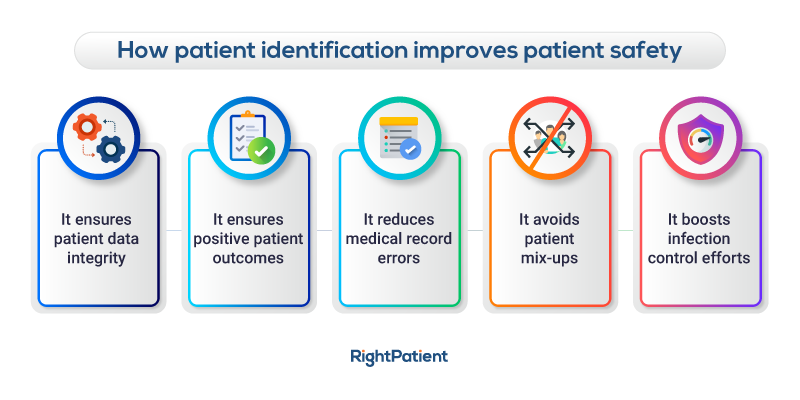
Moreover, in the case of EHRs, healthcare providers must ensure that they are feeding accurate data into the medical records. Problems such as duplicate medical records and overlays cause patient mix-ups, denied claims, patient safety issues, poor patient data, and worse – all of which can be prevented with positive patient identification. Fortunately, touchless biometric patient identification platforms like RightPatient ensure that the appropriate medical record is presented each time the patient comes in and verifies their identity. RightPatient improves patient data integrity, enhances patient safety, and prevents patient misidentification at any point in the care continuum.
The ubiquity of Internet Connectivity
Because video conferencing is still a data-heavy task that requires a strong internet connection, even as recently as 5-10 years ago telehealth would have been impractical or even impossible for all but those who paid premium prices for ample internet bandwidth.
However, as connectivity technology and availability have increased, telehealth has become accessible for a large percentage of the world’s population. As more and more people enjoy strong regular internet access in their homes and workplaces, telehealth offerings become a convenient and easy healthcare option.
Growing Acceptance of Telehealth in Policy and Insurance Coverage
Another valuable contributor to telehealth’s increasing adoption rates, especially in the face of COVID-19, healthcare providers and insurance companies scrambled to provide alternatives to in-person healthcare out of necessity. Factors like persons with high-risk health conditions and hospitals overrun with COVID patients meant that thousands of individuals had no choice but to look for alternatives to traditional health visits.
Even as COVID-19 slows and the healthcare landscape will likely shift away from its resulting emergency measures over the coming year or more, telehealth has proven beneficial for several reasons and will very likely remain and even increase in use over the coming years.
Increase in Technologies
With an increase in technology, telehealth can propel into the future with various ways to allow for remote healthcare. Even now some diagnostic tests and involved types of medicinal and care administration can be performed remotely, either via mail-in arrangements or through virtual means. The development of new technologies including Virtual and Augmented Reality and Artificial Intelligence (AI) will continually offer medical professionals more means of conducting healthcare provision remotely via telehealth platforms.
The Many Benefits of Telehealth
It is because of the many benefits telehealth promises that huge energy and resources are being invested in making it even more available and robust. Though this is not an exhaustive list, the reasons below are just a few of the ways telehealth can provide distinct advantages to the healthcare system:
Its efficiency allows more visits to fit into a span of time. It can often save both patients and sometimes healthcare providers the time, resources, and energy required to travel to healthcare provision locations. Telehealth can sometimes make moving between different healthcare locations unnecessary for medical professionals. And it cuts down on the need for multiple healthcare staff to conduct a single visit, lessening the total work required to provide medical appointments.
Telehealth can increase access to healthcare for a number of individuals. For some demographics including the elderly or those with social anxiety or that live in remote areas, traveling to a healthcare facility is impractical or even impossible. Telehealth makes healthcare provision available from the comfort or security of one’s own home. For others, their life or work schedule makes it difficult to attend in-person appointments.
Additionally, it can reduce strain on hospitals and overburdened healthcare providers. Telehealth can also reduce traffic through in-person health locations, lessening overall contamination and keeping them more insulated for patients in more severe or critical conditions.
Finally, telehealth provision can often create an improved patient experience. Many patients who experience telehealth appointments prefer them to in-person visits. Telehealth can reduce external factors and experiences that can be unfavorable to some patients and provide an alternative that suits some individuals much more favorably.
Because of the many benefits they provide, telehealth offerings will likely become even more prevalent and fully featured in the future. Though they will never fully replace in-person health provision, telehealth can provide a strategic and cost-effective alternative that can expand healthcare provision’s reach and help it cater to more people effectively.