
Insight Into the Six Domains of Healthcare Quality

Insight Into the Six Domains of Healthcare Quality

Insight Into the Six Domains of Healthcare Quality

Quality healthcare is an aspiration shared by patients, providers, and policymakers alike. The dynamism of this sector is evident from the growth figures; notably, the global healthcare services market expanded from $7,499.75 billion in 2022 to $7,975.87 billion in 2023.

The healthcare landscape is multifaceted, where the confluence of science, humanity, technology, and economics shapes patient experiences. To navigate this evolving landscape, it’s crucial to have clear quality metrics and domains that guide healthcare providers and institutions. Let’s delve into these six domains, each a beacon illuminating the path to superior patient care.

Safety: Eliminating Harm to Patients

Patient safety, at its core, represents the heart of healthcare’s primary pledge: “Do no harm.” Ensuring that patients are not inadvertently injured while receiving medical care is paramount. The health sector has often borrowed safety principles from other industries, such as aviation and manufacturing, to enhance its protocols.

Today, technology, such as electronic visit verification (EVV), offers an extended hand in bolstering patient safety. For example, EVV for home health ensures that patients receive their prescribed care at the right time and in the right way, adding a layer of accountability. The beauty of such interventions lies in their simplicity and effectiveness, wherein technology acts as a safeguard against potential oversights.

While innovations like EVV for home health are promising, healthcare remains fraught with potential hazards. Medication errors, hospital-acquired infections, or procedural complications are realities that institutions grapple with. Addressing these requires continuous vigilance, training, and process improvement.

Effectiveness: Providing Care that is Evidence-Based

The axiom “evidence-based care” encapsulates the belief that clinical decisions should be based on the best available scientific evidence. In an age where information is abundant, healthcare professionals must sift through a deluge of data to discern what’s relevant, valid, and applicable to individual patients.

The commitment to effectiveness ensures that patients receive treatments that have a proven track record of success. This doesn’t merely enhance outcomes; it also fosters trust. Patients, knowing that their care is grounded in solid evidence, are more likely to engage and comply.

Yet, staying abreast of the ever-evolving body of medical literature is no small feat. It requires healthcare institutions to prioritize ongoing education and cultivate a culture of curiosity and learning.

Patient-Centeredness: Care that Respects and Responds to Individual Patient Preferences

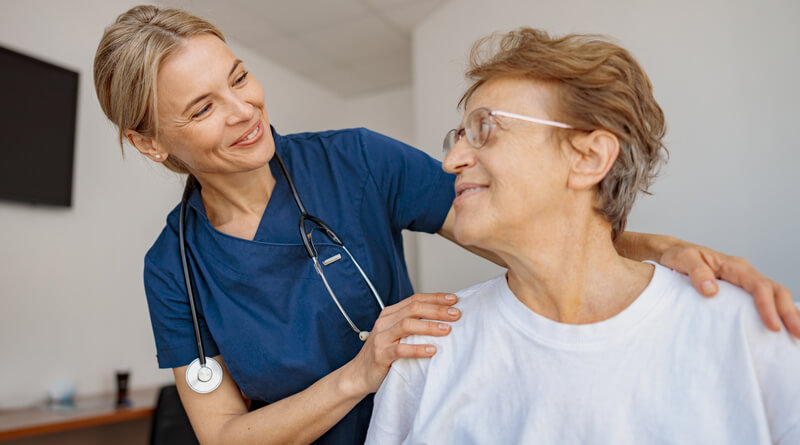
Healthcare, while rooted in science, is ultimately a human endeavor. Patient-centered care recognizes this truth, placing the individual’s unique needs, values, and preferences at the epicenter of all healthcare interactions.

This approach transcends the traditional paternalistic model. Patients are no longer passive recipients but active participants in their healthcare journey. When providers listen, respect, and respond to patient narratives, it not only improves satisfaction but often leads to better health outcomes.

However, time constraints, systemic barriers, or even communication gaps can hinder its realization. Overcoming these barriers mandates a blend of empathy, adaptability, and commitment from both providers and healthcare systems.

Timeliness: Reducing Delays in Care

Every minute counts in healthcare. Whether it’s an emergent medical condition or a routine check-up, timely care can be the difference between healing and deterioration. Delays, unfortunately, are more common than one might imagine. They can arise from overburdened systems, administrative hurdles, or even logistical issues.

The ripple effects of delayed care are profound, often exacerbating medical conditions and escalating costs. Addressing this domain involves a multifaceted approach—streamlining administrative processes, leveraging technology for quicker diagnoses, and enhancing coordination among healthcare teams.

Efficiency: Avoiding Waste of Resources

Inefficiency, in any form, is the antithesis of quality. In healthcare, it’s not just about economic resources but also about human lives and potential. Overuse of tests, underutilization of preventive measures, or even administrative redundancies can drain both financial and human resources.

Boosting efficiency demands a critical evaluation of existing processes, followed by the introduction of lean methodologies. The goal is straightforward: to deliver optimal care without waste, ensuring that each resource—be it time, money, or expertise—is utilized to its maximum potential.

Equitability: Ensuring Consistent Quality Beyond Personal Differences

Healthcare equity means that care quality doesn’t waver based on race, socioeconomic status, gender, or other personal characteristics. In an ideal world, two individuals with similar health conditions should receive equivalent care, irrespective of their backgrounds.

However, disparities persist. Some communities remain underserved, facing barriers that hinder access and outcomes. Addressing equitability requires acknowledging these gaps, understanding their root causes, and then devising strategies to bridge them. It’s a journey towards justice, ensuring that every individual receives the care they rightfully deserve.

Final Thoughts

Each domain, while distinct, is interconnected. Together, they form the bedrock of a healthcare system that’s safe, effective, patient-centered, timely, efficient, and equitable. As the healthcare landscape evolves, it’s incumbent upon providers and institutions to reflect, adapt, and elevate their care, always keeping these six domains in focus.

5 Ways to Improve Patient Outcomes

5 Ways to Improve Patient Outcomes

5 Ways to Improve Patient Outcomes

Globally, hospitals are experiencing growing demands to enhance results, whether it’s because they function in a performance-based pay or value-oriented care setting or simply because more knowledgeable patients these days are consciously seeking treatment at facilities renowned for high-quality care.

Regardless of your hospital’s compensation model, positive treatment outcomes are vital for your success. Aiming for the best possible outcomes is the core purpose of being a healthcare provider. Let’s delve into potential methods to achieve this objective.

Optimize Healthcare Professional’s Procedures

The care quality a patient experiences is tied to various factors, such as the available healthcare infrastructure and resources, clinician contentment, and patient involvement. The best outcomes for patients demand an effective balance of these aspects.

A National Academy of Medicine publication revealed that administrative responsibilities and non-patient-care-related tasks often fill a clinician’s schedule, impacting their capacity to offer quality care. The same publication underscored that a positive work atmosphere enhances public health, job satisfaction, and social support.

Thanks to a platform like Medimobile Medical Billing Software, processes that used to be manual and time-consuming or needed an in-person visit are now technology-optimized, allowing clinicians to concentrate on delivering outstanding patient care. Clinicians can track their patient’s health status in real-time and discuss symptoms, medication compliance, and any concerns.

Focus on Digital Communication

Enhancing outcomes often hinges on improving patient understanding of their health issues and treatment protocols. Beyond conveying this information orally during appointments, sending them pertinent notes or resources digitally as a post-visit follow-up is advantageous. 

This ensures they have a convenient reference if they misunderstand or forget any aspect of the discussed matter during the visit. Plus, sending automated appointment reminders via email or text is an excellent method to prevent absences, which could inevitably influence their health results.

Improve the Quality of Diagnoses

Upon a patient’s arrival at your healthcare establishment, the initial part of their encounter with a doctor is generally spent on making a diagnosis. This crucial step lays the groundwork for all subsequent interactions. Adherence to this approach helps prevent improper treatments, avoidable readmissions, and services that cannot be invoiced.

Diagnostic inaccuracies are not only expensive but also the leading cause of malpractice lawsuits. Some research even suggests that up to 12 million Americans are impacted by diagnostic errors annually.

Significantly better patient outcomes can be achieved by pinpointing and averting the factors contributing to diagnostic errors. Issues like insufficient staff or overstressed medical personnel can often be resolved with a workforce management system that effectively organizes and maximizes the use of in-house resources.

Redefine Patient-practitioner Interaction

The digital collection doesn’t aim to discard the human element in healthcare but rather to digitize tedious tasks, thereby enabling medical professionals to devote attention to areas where their personal involvement is crucial.

Healthcare providers must set aside time to train patients to utilize their digital systems. This period should also be leveraged to emphasize that a patient’s emotional health continues to be a core part of these digital patient engagement plans.

This is potentially most significant in enhancing patient outcomes in nursing and other types of post-operative care. Nonetheless, the benefits of ePROMs are not exclusively for those who have undergone surgery.

Implement Telehealth Services

It’s often the case that a patient requires medical attention but doesn’t have the capacity to visit a healthcare center in person. Obstacles such as physical mobility challenges and insufficient transportation can potentially result in an individual who desperately needs medical care not receiving it. 

Fortunately, when a medical practice provides telehealth services, patients facing these issues can interact with healthcare providers from the comfort of their homes, potentially enhancing their health outcomes if they urgently need medical consultation.

Endnote

Digital tools in healthcare aren’t just fancy gizmos; they’re game-changers. They seamlessly weave together and distribute information across every nook and cranny of the care system. Patient records aren’t some cryptic code. They’re easily accessible and comprehensible for the medical maestros and the patients.

Why Work from Home Nursing Jobs Are on the Rise and How This Affects Patient Safety and Identity

Why Work from Home Nursing Jobs Are on the Rise and How This Affects Patient Safety and Identity

Why Work from Home Nursing Jobs Are on the Rise and How This Affects Patient Safety and Identity

Today, remote work is becoming a popular phenomenon across a variety of industries. Many are surprised to find out that even healthcare professionals are now starting to transition into work-from-home jobs that allow them to forego the commute to a healthcare facility or office. 

Unfortunately, this rise in digital and remote patient care is giving some people cause for concern. Specifically, how this growing innovation is affecting patient safety. 

Gaining a deeper understanding of why more healthcare professionals are opting to work remotely and how this affects the patients they serve is key to cultivating an accurate perspective on healthcare in the modern age. 

Here are the reasons why work-from-home nursing jobs are on the rise and how this affects patient safety and identity. 

Nurses want more Flexibility and Balance

While nursing roles can be extremely fulfilling and secure, they can also be strenuous. Often, this extra stress stems from nurses being overworked to the point of experiencing burnout and exhaustion. 

As a result of being consistently overworked and experiencing high levels of stress, many nurses are now hungry for less taxing ways to engage in the profession of nursing. In other words, nurses across the country are beginning to prioritize work-life balance like never before. This being the case, many nurses are now competing for remote roles that allow them to engage in their profession from the comfort of their own homes. 

In addition to being in a less stressful environment, work-from-home nursing roles have the potential to allow nurses to have more flexibility. This can come in the form of different types of schedules or even different types of roles. 

Ultimately, many nurses are now viewing remote positions as more conducive to their needs than in-person roles. As such, more and more of these professionals are now taking the leap and exploring work-from-home options. 

The Rise of Telehealth

In the past, remote or work-from-home nursing roles were virtually unheard of. The biggest reason for this is that the technology and infrastructure necessary to pull this type of arrangement off were difficult, if not impossible, to find. 

Today, however, this is far from the case. Telehealth, the practice of providing patient care through electronic means, has exploded in the last several years. As a result of this new and innovative practice becoming commonplace, remote nursing has become more conducive to patient care. 

As remote care continues to rise in popularity, more and more work-from-home nursing jobs are becoming available to healthcare professionals. In fact, even professionals from other industries are now considering nursing as a second career given the increase in remote options. 

What this seems to indicate is that there may have always been a desire among nurses to work remotely but there simply weren’t any options for this type of work. As these options become more available, it seems that more and more nurses will take the leap and explore work-from-home options. 

The Problem of Rural Healthcare

Those living in rural areas often have far less access to healthcare resources than their city-dwelling counterparts. This being the case, remote healthcare options have become increasingly popular for rural residents. 

Given the large number of rural residents in need of healthcare, there is a marked need for nurses with the skills to provide care through digital means. As a result, more remote roles are arising for nurses in order to address the problem of rural health. 

Since rural health is one of healthcare’s major problems currently, it’s likely that the number of these rural health-oriented remote nursing roles will continue to rise in popularity. 

The Cost of Living is Increasing Everywhere

Sadly, almost every American city is currently feeling the effects of inflation and rising costs. Two areas that are being particularly impacted are that of cars and gas. As a result, many professionals are looking for ways to lower their costs by saving on gas or getting rid of their cars completely. 

For nurses, commutes can sometimes be significant. This is especially true for nurses who work at facilities in urban centers where rent is higher. To combat these costs, many nurses are now looking for remote roles. 

Work-from-home nursing roles allow nurses to continue to command a decent salary without having to pay exorbitant fees for gas and other costs associated with commuting. For this reason, remote options are becoming increasingly popular among nurses across the country. 

How Digital Care is Affecting Patient Safety

As has been noted, there is a growing concern that digital care is potentially compromising the safety of patients, their private information, and their identities. However, healthcare organizations across the country are taking robust measures to protect their patients and deliver them high-quality remote care. 

Essentially, patients are put at risk of having their information leaked if cybercriminals are able to hack the defenses of healthcare organizations and gain access to their networks and databases. However, given the fact that most healthcare organizations have already made their processes digital, such as in the case of electronic health records, remote care itself is not the only process creating risk for patients. 

While remote care may create more weak points that hackers may try to exploit, there is already a risk of patient information being hacked whether nurses work remotely or not. For this reason, it seems safe to say that while work-from-home nursing may have some effect on the safety of patient information, it isn’t as significant of an impact as many believe. 

Remote Nursing is the Future of Healthcare

Though some are skeptical about the safety of work-from-home nursing, remote healthcare will likely play a key role in the future of healthcare. Hopefully, this innovation in the space will help make healthcare processes more efficient, increase work satisfaction among nurses, and make healthcare more convenient for patients across the country. 

Patient-Centered Approaches - The Future of Effective Health Care

Patient-Centered Approaches: The Future of Effective Health Care

Patient-Centered Approaches - The Future of Effective Health Care

In the evolving world of health care, prioritizing patients’ unique needs and experiences is paramount. As endorsed by the World Health Organization (WHO), patient-centered care is becoming increasingly recognized for its pivotal role in enhancing healthcare quality and safety. The shift towards patient-centered approaches is not merely a trend but an essential progression in ensuring comprehensive, high-quality, and effective health care delivery. The philosophy of patient-centered care focuses on building a partnership among practitioners, patients, and their families to decide upon and coordinate tailored strategies and plans for optimum health outcomes.

The Core of Patient-Centered Care

Building Personal Connections in Healthcare

One of the most significant aspects of patient-centered care is establishing solid and personal relationships between patients, their families, and their healthcare providers. This approach enables healthcare professionals to fully understand patients’ unique health needs, preferences, goals, and values. This understanding forms the basis for designing a tailored and effective care plan collaboratively.

The value of personal connections in healthcare cannot be overstated. It leads to a more precise and tailored care plan. It ensures that the patient feels heard, understood, and valued within the healthcare system, ultimately leading to higher satisfaction and better health outcomes.

Leveraging Technology for Enhanced Patient Care

Technology plays an indispensable role in bolstering patient-centered care. From telehealth platforms that facilitate easy and convenient virtual consultations to electronic health records (EHRs) that streamline the sharing of vital health information among different care providers, technology empowers the delivery of more efficient, coordinated, and personalized care. Additionally, innovations like long distance medical transport services bridge the gap further, ensuring that geographical constraints don’t hinder the quality of care.

Healthcare providers can leverage technology to ensure patients have access to the information and support they need to make informed health decisions. EHRs, for example, allow patients to easily access their health information, helping them to participate in their care actively.

How Patient-Centric Approaches Influence Health Results

Promoting Enhanced Health Results

Embracing patient-centric methods has a profound effect on health results. By placing patients at the center of their care, providers ensure that care strategies are timely, efficient, and tailored to individual needs. Such a method helps curtail healthcare expenditures and boosts patient satisfaction and overall health results.

Obstacles and the Path Ahead

The transition to patient-centric care is filled with promise but comes with challenges. There’s a need for a foundational shift in how health institutions function and provide care. This transition’s success is crucial to providing the necessary training, education, and a robust support system for healthcare professionals.

The Future Landscape: Evolving with Patient-Centered Approaches

Adaptive Healthcare Systems

Embracing patient-centered care requires an adaptive healthcare system, one flexible enough to accommodate each patient’s unique needs, preferences, and values. The future of healthcare lies in its ability to efficiently and effectively adjust to the continuously changing landscape, influenced by advancements in technology, research findings, and shifting societal norms and expectations. Healthcare providers and organizations must be committed to continual learning, adaptation, and improvement to uphold the principles of patient-centered care.

Interdisciplinary Collaboration

In patient-centered approaches, interdisciplinary collaboration is a cornerstone for achieving holistic and comprehensive care. Healthcare professionals from various fields must unite their expertise and insights to deliver coordinated and integrated care that encompasses all aspects of a patient’s health, including physical, mental, and emotional well-being. This multifaceted collaboration is essential for realizing the full potential of patient-centered care, ensuring that every aspect of patient health is addressed comprehensively and cohesively.

Strategies for Implementing Patient-Centered Care

Educating and Empowering Healthcare Providers

The practical implementation of patient-centered care hinges on the education and empowerment of healthcare providers. Comprehensive training programs and continuous learning opportunities can equip healthcare professionals with the skills, knowledge, and understanding necessary to deliver patient-centered care effectively. Ensuring that healthcare providers are well-supported, informed, and confident in their roles is essential for the success of patient-centered approaches.

Emphasizing the Role of Patients

Another crucial strategy is emphasizing the role of patients as active participants in their healthcare. This concept involves informing patients about their health and care and equipping them with the tools and support they need to make informed decisions and play an active role in their healthcare journey. Encouraging patient autonomy and empowerment fosters a more collaborative and practical healthcare experience where patients feel valued, heard, and involved.

Conclusion

In the panorama of healthcare, the shift towards patient-centered approaches stands out as a beacon leading to enhanced patient satisfaction, improved health outcomes, and an overall more efficient and effective healthcare system. The journey towards fully embracing patient-centered care is an ongoing process filled with learning, adaptation, and growth. As healthcare systems worldwide continue to evolve and improve, keeping the patient at the core of all efforts remains the unwavering focus, guiding the way to a brighter and healthier future for all.

The Influence of Biometrics on Medical Data Security

The Influence of Biometrics on Medical Data Security

The Influence of Biometrics on Medical Data Security

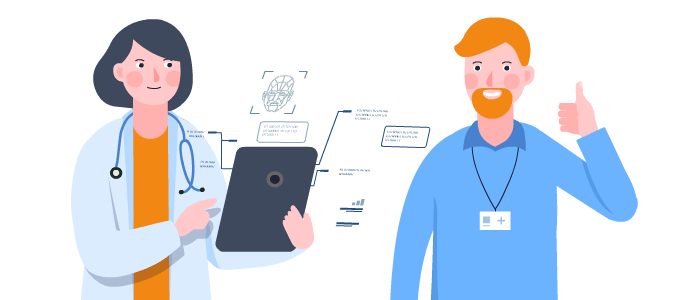
The health care system is rapidly digitizing. As the health care sector increasingly relies on electronic health records, telemedicine and interconnected medical devices, the vulnerability of sensitive medical information to breaches and unauthorized access has grown exponentially. With its cutting-edge technology and unique identifiers, biometrics has become a powerful tool for strengthening medical data security. 

The Important Role of Biometrics

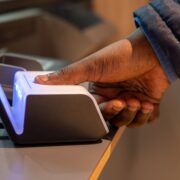
Biometrics is the science of measuring and analyzing individuals’ unique physical or behavioral characteristics. These characteristics include fingerprints, facial features, iris patterns, voice and DNA. Biometric authentication relies on the distinctiveness of these traits to verify a person’s identity, making it a robust and reliable method for enhancing security across various sectors, including health care.

The Vulnerability of Medical Data

Medical data, encompassing patients’ records, diagnoses, treatment plans and other sensitive information, is a prime target for cybercriminals. These data breaches jeopardize individual privacy and can have other far-reaching consequences, like identity theft, insurance fraud and even the potential compromise of patient care. 

The conventional methods of securing medical data, like passwords and PINs, need to be improved, given their susceptibility to hacking and the risk of unauthorized access by malicious actors.

The Role of Biometrics in Medical Data Security

As a result, health care institutions have been seeking innovative solutions to bolster security, and biometrics has emerged as a game-changer:

  • Enhanced authentication: Biometric authentication ensures only authorized individuals can access medical records. Unlike passwords that someone may forget, steal or guess, biometric data, like fingerprints or facial recognition, is unique to each individual, making it exceedingly difficult for imposters to gain access.
  • Reduced identity theft: Medical identity theft is a growing concern in the health care industry. Biometrics can play a pivotal role in reducing instances of identity theft by ensuring the right patient receives the proper care. Accurate patient identification safeguards individuals and contributes to the integrity of medical records. 
  • Streamlined workflows: Biometrics can improve the efficiency of health care workflows by eliminating the need for manual authentication processes. Health care professionals can quickly and securely access patient records, saving valuable time they can redirect toward patient care.
  • Securing medical devices: The proliferation of connected medical devices, such as pacemakers and insulin pumps, has opened new avenues for cyberattacks. Biometric authentication can help secure these devices by ensuring only authorized users can control them, preventing potential life-threatening breaches. 
  • Compliance with regulations: Biometrics can aid health care institutions in meeting strict regulatory requirements, like HIPAA. Biometric authentication is a robust measure to protect patient confidentiality, a fundamental aspect of these regulations.
  • Remote patient monitoring: In telehealth and remote patient monitoring applications, professionals can use biometrics to confirm the identity of patients during virtual consultations or when transmitting medical data from remote monitoring devices. 
  • Audit trails: Health care professionals can log biometric authentication events in an audit trail, providing a record of who accessed the medical data and when. This trail helps with accountability and data access tracking, which can be valuable in HIPAA compliance. 
  • Prescription verification: Pharmacists can use biometrics to verify the identity of patients when they pick up their prescription medications. This data helps prevent prescription fraud and ensures they dispense prescriptions to the correct individuals. 

Challenges and Considerations

While biometrics presents a promising solution for medical data security, it has its challenges and ethical considerations. The health care sector must address the privacy concerns, the potential for biometric data theft and the need for secure storage and transmission of biometric information meticulously.

Biometrics can significantly enhance medical data security. However, it’s essential to implement appropriate safeguards to protect biometric data itself, as it can be a target for cyberattacks. Additionally, health care organizations must comply with data privacy regulations and establish clear policies and procedures for data usage to maintain patient trust and legal compliance.

When medical information is primarily digital, it poses the risk of a potential power outage affecting the system’s efficiency. Reliable standby power is crucial for hospitals to prevent disruption of critical processes, sustain communications and protective private patient data. How Biometric Technology Is Used to Monitor Athletic Potential

Ensuring accessibility for all patients, including those with disabilities or unique psychological conditions, is crucial. Health care systems need to strike a balance between enhanced security and inclusivity. 

Achieving Medical Data Security in the Digital Age

Protecting sensitive medical data has become a top priority as health care is more reliant on digital technologies. With its advanced authentication methods and unparalleled accuracy, biometrics has emerged as an ally in the quest for strict medical data security. Health care institutions must approach biometric solutions with care, addressing the challenges while striving for the highest security and patient care standards.

Unsure-Whether-You-Qualify-For-Disability-Benefits-These-Common-Medical-Conditions-Do

Unsure Whether You Qualify For Disability Benefits? These Common Medical Conditions Do!

Unsure-Whether-You-Qualify-For-Disability-Benefits-These-Common-Medical-Conditions-Do

Medical conditions can sometimes be unpredictable and debilitating. The ramifications of some diseases and disorders not only impact physical health but can also affect the ability to work and maintain a regular lifestyle. Recognizing this, many government and private organizations provide disability benefits to assist individuals who cannot work due to certain medical conditions. 

In this post, we’ll delve into some of the most common medical conditions that typically qualify individuals for disability benefits.

Mental Disorders

A range of mental disorders, from depression and anxiety to bipolar disorder and schizophrenia, can severely hamper an individual’s capability to maintain regular employment. The severity and duration of symptoms can vary widely, but they often affect cognitive, emotional, and social functioning. In these situations, proving the debilitating nature of the disorder is crucial. 

This is where expert advice, like that of a New York disability lawyer, can be invaluable. These professionals can guide individuals through the complex application process, ensuring they present their case effectively to obtain the benefits they need.

Musculoskeletal Problems

Conditions such as back pain, herniated discs, osteoarthritis, rheumatoid arthritis, and fibromyalgia can lead to chronic pain and limited mobility. 

These musculoskeletal issues, depending on their severity, can make it extremely difficult for individuals to maintain regular employment, especially in jobs that require physical labor.

Cardiovascular Conditions

Heart diseases, including coronary artery disease, heart failure, and arrhythmias, can severely restrict an individual’s ability to perform their job tasks. 

The physical strain of certain activities may pose severe risks to those with cardiovascular conditions, making them eligible for disability benefits.

Neurological Disorders

Diseases like multiple sclerosis, Parkinson’s disease, cerebral palsy, and epilepsy have varying symptoms, but they can profoundly affect an individual’s daily life. The unpredictable nature of some of these disorders, like the seizures in epilepsy, can make regular employment hazardous or impossible.

Respiratory Diseases

Chronic respiratory conditions like asthma, COPD (chronic obstructive pulmonary disease), and cystic fibrosis can limit lung function and make physical exertion challenging. 

Individuals with severe respiratory diseases might find it hard to engage in jobs that require consistent physical activity or exposure to irritants.

Digestive Tract Problems

Conditions such as Crohn’s disease, liver disease, and inflammatory bowel disease can be unpredictable and debilitating. Symptoms might include severe pain, diarrhea, and fatigue, making regular attendance and performance at work challenging.

Endocrine Disorders

Diseases like diabetes, thyroid disorders, and adrenal gland disorders can result in a variety of symptoms, from fatigue and weight changes to vision problems. Managing these conditions might require frequent medical appointments, making consistent employment difficult.

Cancer

While not every form of cancer may qualify for disability benefits, certain aggressive or late-stage cancers can make it difficult or impossible for individuals to work. Treatments, including chemotherapy, radiation, and surgeries, can also lead to debilitating side effects that hamper regular employment.

Immune System Disorders

Conditions such as lupus, HIV/AIDS, and rheumatoid arthritis can severely weaken the immune system, leading to increased susceptibility to infections and other health complications. These disorders can drastically impact daily living and work routines.

Sensory Impairments

Vision and hearing impairments can pose significant challenges in various job settings. While accommodations can often be made, certain professions might be unattainable for those with severe sensory deficits.

Conclusion

The journey to obtaining disability benefits can be overwhelming, especially when grappling with a medical condition. It’s crucial to understand the qualifying conditions and seek appropriate guidance. 

Remember, the goal of these benefits is to provide support and a safety net for those facing challenging health conditions, ensuring they have the resources they need to live with dignity. If you or someone you know is dealing with any of these conditions, explore the options available and seek the assistance you deserve.