
RightPatient-ensures-accurate-patient-identification

Accurate Patient Identification Tops 2022’s Patient Safety Goals
RightPatient-ensures-accurate-patient-identification

There is a lot going on in the U.S. healthcare industry right now. While some might argue that the industry has always been a dynamic field, which is true, it’s safe to say that the pandemic has pushed healthcare into overdrive. While healthcare data breaches, increased hospitalizations, vaccine booster shots, and oral pills to tackle COVID-19 dominate the news, the Joint Commission has announced next year’s National Patient Safety Goals applicable beginning January 1, 2022.

RightPatient-ensures-accurate-patient-identification

Unsurprisingly, again in 2022, the number one priority for improving patient safety, as per the Joint Commission, is identifying patients accurately. This highlights the importance of positive patient identification, which we’ve been promoting for a long time. That being said, let’s take a look at the top patient safety goals for 2022, why patient identification has been a topmost priority for years, and how RightPatient can effectively help meet those goals.

What are patient safety goals?

Every year, the Joint Commission collects information on patient safety issues that plague hospitals, health systems, and other healthcare facilities. After collecting all the data via credible sources and experts, the Joint Commission releases a list of goals that healthcare facilities need to implement in order to improve patient safety.

As healthcare is quite broad, the Joint Commission has divided it into chapters such as Ambulatory Health Care Chapter, Assisted Living Community Chapter, Behavioral Health Care & Human Services Chapter, Hospital Chapter, Home Care Chapter, etc. However, in all nine chapters, the number one goal is to identify patients correctly (residents in the case of Nursing Care Centers). This shows how imperative proper patient identification is as it’s the top priority in all the chapters.

That being said, let’s look at next year’s goals for the Hospital Chapter, as that’s our primary focus. 

2022’s patient safety goals for hospitals 

Next year, according to the Joint Commission, healthcare providers need to focus on the following goals to improve patient safety at their facilities:

  • Accurate patient identification 
  • Improving staff communication
  • Using medicine safely
  • Using alarms on medical equipment
  • Infection prevention
  • Identifying patient safety risks
  • Preventing errors in surgeries

RightPatient-boosts-patient-safety-goals

Comparing them with the goals for 2021, there hasn’t been any significant change in the goals or their order. But why is patient identification always the topmost goal? 

Accurate patient identification has been a priority for years

Patient misidentification isn’t anything new. Since there was a ban on creating a state-funded patient identifier around two decades ago, patient identification errors have been quite common. To this very day, a standardized and effective patient identifier doesn’t exist. Since misidentification has led to duplicate medical records, overlays, and medical record mix-ups, they have also created medication administration errors, repeated lab tests, patient data integrity failure, delays in care, transplant mix-ups, and even deaths! As a result, patient misidentification quickly became a patient safety concern. 

Every year, healthcare experts come together and demand that the ban against a state-funded patient identifier is lifted. However, to this very day, the ban on the unique patient identifier is in effect.

While different healthcare providers use various methods, solutions, and strategies for accurate patient identification, a touchless biometric patient identification platform like RightPatient is the most ideal and future-proof platform for that. In fact, RightPatient also helps with a few of the other patient safety goals – let’s explore how.

RightPatient helps improve patient safety in several ways

RightPatient is helping several leading healthcare providers enhance patient safety by protecting patient medical records, ensuring accurate patient identification, and reducing infection control issues. It captures patient photos during the registration process and attaches them to EHRs. 

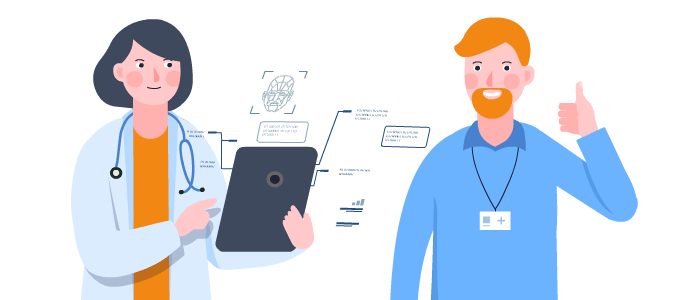
For subsequent visits, returning patients only need to look at the camera for verification. RightPatient compares the live photo with the saved one and provides accurate EHRs, preventing mix-ups, duplicates, and other problems associated with misidentification. 

RightPatient can be used for remote authentication as well – patients need to provide a selfie along with the photo of their driver’s license after scheduling appointments. RightPatient compares the images, and after a successful match, provides the patients with biometric credentials – check out the video to learn more about it.

RightPatient helps with several patient safety goals: 

  • It ensures accurate patient identification
  • It prevents errors in surgeries by preventing patient mix-ups
  • It reduces infection control issues (it’s a touchless experience for both patients and caregivers)
  • It improves staff communication as redundant lab tests, mix-ups, and delays are reduced 
  • It reduces medication administration errors

How are you planning to improve patient safety at your healthcare facilities, and does the strategy include a solution that solves several problems simultaneously as RightPatient does?


3-Innovations-That-Can-Improve-Your-Patient-Experience

3 Innovations That Can Improve Your Patient Experience

3-Innovations-That-Can-Improve-Your-Patient-Experience

Being in the healthcare business, it’s a timeless trend to improve your patient experience at all costs. It’s not just about how you interact with them when they’re visiting for an appointment. Instead, the overall patient experience encompasses an array of interconnections that your customers have with the healthcare system as a whole. While it’s good to invest in establishing excellent interpersonal relationships with patients, the health sector should seek more ways and innovations that can make the experience better for patients in every aspect possible. 

3-Innovations-That-Can-Improve-Your-Patient-Experience

If you’re wondering what these innovations are, here’s a list you might find helpful: 

Modern Health Supplements   

Back in the day, the supplements marketplace was pretty simple and with not a lot of options. From delivery forms to specialty ingredients, consumers can make a quick stop at the supplements aisle and settle for what’s available. Today, a plethora of dietary products are manufactured and offered, not to mention more specific and targeted, giving patients more flexibility and preference when deciding which ones would suit their health concerns better. 

Modern health supplements are now available to help contribute to improving patient experience. Consumers can pick based on what particular health aspect they want to focus on – skin, hair, immunity, bones, etc. – then choose from multiple product types, from essential multivitamins to probiotics, energy bars, and herbal drinks. Among the modern health supplements gaining momentum right now are cognitive enhancers which can help improve an individual’s cognitive abilities such as memory, learning, and concentration. The product is also said to improve mental alertness, concentration, and energy levels. 

Examples are natural nootropic products known to help in productivity and motivation. They can give you the boost you need to get things done, specifically when working on critical tasks such as studying or working. Some people use nootropics to boost their social abilities, thereby helping them increase their confidence, especially in public speaking and doing presentations. If you want to learn more about their potential and how such products can help your patient, you can read this great post by WholisticResearch.  

Online Therapies 

Cognitive-behavioral therapy (CBT) is a type of psychotherapy that can effectively treat a variety of psychological conditions such as depression, obsessive-compulsive disorder (OCD), anxiety, and the like. CBT works by regularly targeting negative thoughts and behaviors that can have a detrimental effect on your daily life. It can help you learn how to use your problem-solving skills effectively to cope with different situations, learn how to calm your mind when stressed, and gain a better understanding of your surroundings.  

Now, CBT can be done online through online chats or video calls. The internet can serve as a means of communication between patients and mental health practitioners. Online CBTs can be used as an alternative to face-to-face sessions. It can be done through video conferencing, instant messaging, or online forums like group therapy, thus significantly contributing to improving patient experience even from the comfort of each other’s homes.  

What used to be books, videos, or audio series can now be adapted into websites that publish interactive content. Online-based therapies, as the core concepts of CBT, can be done through text, video, or audio instructions. There are several self-help programs guided by cognitive behavior therapists that can be done online. However, do note that online CBT providers must keep the patient identities confidential and secure, especially when storing and transmitting patients’ information online – a touchless biometric patient identification platform like RightPatient can help with that, as it can be used to remotely authenticate patients as well. 

Telehealth 

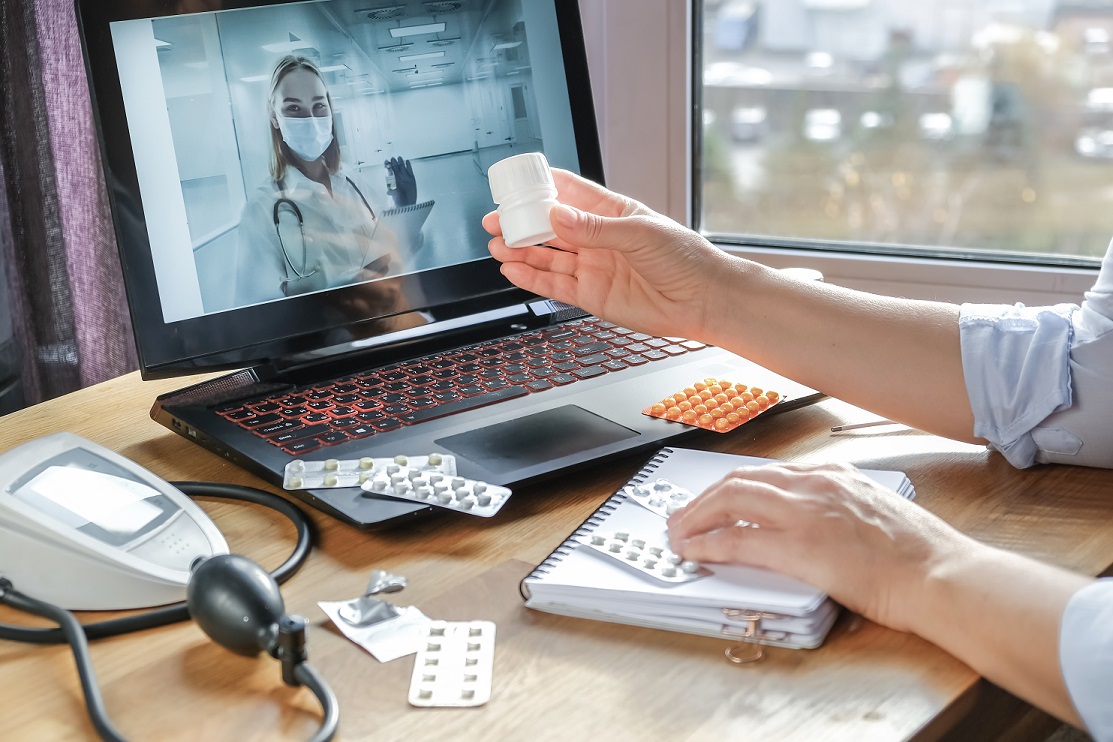
Technology continues to transform multiple industries, including healthcare. What used to be impossible back in the day is now readily available for patients to enjoy and take advantage of, such as the innovation of telehealth. Telehealth involves using communication technologies and digital information so both patients and providers can work together in managing health care remotely.   

Devices such as computers and mobile phones are utilized to support and improve patient experience. Take, for example, a patient who has diabetes. They can use their mobile phone to keep track of their food intake and blood sugar levels with the help of a nurse who interacts with them electronically. There’s also an online portal where patients can schedule appointments, access their test results, and request a prescription refill when needed.  

As you can see, telehealth reduces the need for physical contact or consultations. It makes the interaction more technology-based, but without eliminating access to information and specialists that the customers need to learn more about their condition and make progress with their treatment. 

The Bottom Line 

Industry trends come and go, but one thing will always stay the same – keeping customers happy and satisfied never gets old. The same goes for the healthcare industry, where you deal with countless patients every day. No matter what service or treatment they undergo, their overall experience must remain positive. Satisfied consumers equate to higher revenues for the business, but in healthcare, there’s also the priceless fulfillment you get when you contribute to your patients’ well-being.

The Wave of the Future - The Importance of Digital Health

The Wave of the Future: The Importance of Digital Health

The Wave of the Future - The Importance of Digital Health

When it comes to healthcare, it hasn’t exactly been the easiest path for both patients and physicians. Present circumstances have made it challenging for patients to find the treatment they need, as most medical professionals are often overworked due to understaffing issues. Moreover, issues such as medical identity theft, duplicate medical records, and patient mix-ups make it hard to provide accurate treatment to the appropriate patients – many are using patient identification platforms to prevent these problems.

The Wave of the Future - The Importance of Digital Health

It doesn’t help that when it comes to traditional channels, most people prefer to wait until there’s something serious to get medical advice. However, such things are slowly but surely changing for the better, thanks to the digital health movement. Here are just a few reasons why digital health is such a vital piece of the puzzle in the world of healthcare.

It allows medical professionals to breathe and get the job done

With the digital health movement, there are more and more options for medical professionals to do what they do best without suffering from extreme burnout in the process. For example, more and more people are getting used to the idea of online consultations – something that eases the burden for most physicians.

It has also paved the way for new ways to tackle the same career. For example, locum tenens companies are convincing physicians, new and old, to give the alternative career a chance. Locum tenens is all about traveling to a medical facility of choice and filling in their desired role for the duration of their assignment. It is a less stressful career overall and one that gives medical professionals much more freedom. Digital health eases the burden all around, giving physicians the chance to tackle alternative routes to their careers.

A move toward preventive measures

As stated above, most people prefer to wait until something is truly wrong before getting medical advice, which may be understandable due to long wait times and catching potential diseases from spending too much time at the hospital.

The most significant advantage of digital health is the accessibility of doctors and medical advice from the comfort of your home. The result is that most people are now comfortable speaking with doctors about the small things – a path toward preventive medicine rather than looking for solutions to big problems. While it doesn’t fix everything, it’s a habit worth having as prevention is always the better option.

Accessibility and affordability

With the dawn of accessibility and convenience comes affordability. For example, trying to get a consultation with a doctor used to be a lengthy process of back and forth, but these days it’s far more straightforward and more affordable. As healthcare becomes more readily available for patients no matter the location, especially with a preventive mindset, it opens the possibility for an easier and more affordable solution.

While there are still issues that need to be ironed out regarding digital health, the move toward digital patient care is a good one. It’s a direction with plenty of possibilities, and it’s bound to get even better as time goes on. Digital health benefits both patients and medical professionals alike, as it eases the burden for both and makes it easier to get the desired outcome.

Understanding Patient Engagement and Its Importance

Understanding Patient Engagement and Its Importance

Understanding Patient Engagement and Its Importance

Understanding Patient Engagement and Its Importance

Being actively involved in your overall well-being helps you manage your current condition better, prevent chronic illnesses in the future, and avoid significant healthcare expenses. However, patients need professional support or intervention to implement this better, which is where patient engagement comes in.

Patient engagement is a term that describes the partnership between patients and providers to facilitate better health outcomes. Patients are trusted with decision-making in different areas, including symptoms for their illness and treatment options. The information below gives you more insight into what patient engagement involves, including its benefits.

What does patient engagement involve?

Patient engagement can be categorized into direct patient care, where patients fully understand their health problem and state their preferred treatment approach after weighing the risks and benefits. The second level is where caregivers decide according to clinical judgment and after factoring in the views or opinions of a patient.

The third level is about governance, including regulations governing patient engagement. Understanding the different strategies used in patient engagement broadens your perception and may help you view patient engagement from a different lens. The frameworks for engagement include:

  •  Joint decision making

Shared decision-making applies when a patient and specialist cooperate to offer the proper medical intervention while considering the consumer’s preference and clinical judgment. They judge the patient’s condition, go through the available treatment options and narrow it down into the right one based on one’s preferences and the risks and benefits of the said intervention.

It is consistent in the first level of engagement which is direct patient care. A good example is a choice to treat knee pain with either surgery or pain medications. One may prefer surgery due to the taxing nature of regularly taking medications, while surgery may not be an option for others due to its risks.

Information is a prerequisite for patients to be participants in decision-making. As such, facilities should create various modalities through which this can be conducted. For example, using books and leaflets to educate patients on the importance of annual medical check-ups.

Some organizations reach out to clients through websites with information regarding different medical concerns or other times through interactive media. For this reason, health organizations have to create better and user-friendly educational platforms for patients.

  • Patient activation

Patient activation is a concept that describes patients’ ability, skills, willingness, and confidence to manage their health conditions. Such patients have better engagement with providers and facilitate a seamless health experience. For example, patients who follow doctors’ prescriptions are more likely to recover and have fewer complications.

Low activation scores equal more significant health expenses. Because of negligence and lack of knowledge, such patients can hardly tell when they are sick, or when they do, fail to seek medical attention. Emergency treatment is required in most cases, which is way more expensive than a consultation with a primary care provider.

Implementation of patient engagement

The activation strategy used determines the efficacy of the concept. Various factors like patients’ background, including religious beliefs, cultural differences, sex, age, and personal belief, need to be considered. Since most people factor in cost before seeking professional help, organizations need to give patients alternatives to choose from.

Why is patient engagement critical in healthcare?

Patient engagement facilitates behavior change among patients – an essential component in managing lifestyle diseases like diabetes and preventing chronic illnesses. A healthy relationship between providers and patients also influences better decisions like eating healthy, exercising regularly, and quitting smoking. Informed people translate to improved population health.

While the benefits may be so many, integrating patient engagement with actual care may be challenging for most health organizations. The cost of developing interactive systems between providers and patients is excellent. A provider may also need to spend more time with one patient, resulting in reduced earnings for a medical facility.

Although this may seem to harm the business side of the health industry, that might not be the only case. Patients that are more involved in healthcare tend to frequently visit or consult with specialists in case of any health suspicions. More engaged patients also observe preventive care and are quick to seek help than low-engaged patients.

While the importance of patient engagement is obvious, more research is necessary to determine the best approach or practices for this concept. There is also a need for resources to facilitate patient participation. The good news is more and more facilities are looking into patient engagement to facilitate better health outcomes.

Health Insurance Fraud and Its Impact on Healthcare Systems

Health Insurance Fraud and Its Impact on Healthcare Systems

Health Insurance Fraud and Its Impact on Healthcare Systems

Fraud and abuse have plagued our healthcare systems for many years.  In fact, the Department of Justice reported a $1.4 billion loss from health care fraud schemes in this year alone. So it is no wonder why there have been several crackdowns on fraud initiated by both the state and federal governments.

Whether it is intentional or not, healthcare frauds have serious implications on all of us. It is not just healthcare service providers or violators facing consequences, it also affects people who rely on federal healthcare programs like Medicare and Medicaid.

Health Insurance Fraud and Its Impact on Healthcare Systems

Healthcare fraud stresses and puts too much pressure on our healthcare system, which in turn diminishes the quality of the healthcare services that we receive. Some even linked fraud and see it as one of the primary reasons why we have to pay higher premiums as well as receive unnecessary or risky services that we do not even need in the first place.  

Therefore, it is everyone’s responsibility to self-report or report any healthcare fraud. Apart from it being a great public service, reporting fraud to the authorities would also help mitigate and prevent these adverse impacts in our healthcare systems.

Overwhelming our Healthcare System

The last thing that every doctor or any healthcare service provider should worry about is a lawsuit. Our healthcare system can function more efficiently and effectively if health practitioners only focus on the health of their patients. With a pending violation or lawsuit hanging about, their undivided attention can compromise their work as well as the healthcare service that the patient receives.

As a doctor usually says, “prevention is better than cure.” So in order to not overburden our healthcare system, we must do our best to prevent these frauds from ever occurring.

If you are a healthcare professional or healthcare service provider, one of the best ways to avoid unintentional violation is to be familiar with the laws related to our healthcare system. This way, you would be able to determine what practices are prohibited and then overcorrect those practices as soon as possible.

Otherwise, or if you are a witness or a patient who happens to be a victim of fraud, then your best option is to file a report to your local authorities or get assistance from a healthcare fraud lawyer. It is worth noting that whistleblowers can even get monetary rewards once they successfully report healthcare fraud.

Another reason why healthcare fraud occurs is due to the lack of an effective standardized patient identifier. Fraudsters, when committing these acts, have information on the patients from a number of sources, and can easily pass verification as there’s no effective patient identifier. However, many healthcare providers are preventing medical identity theft via accurate patient identification with RightPatient. It is a touchless biometric patient identification platform that identifies patients using their photos, and since patients’ faces are used for verification, fraudsters are red-flagged easily – preventing healthcare fraud. 

Detrimental to Patients’ Health

Healthcare fraud can come in many forms. It is not just manipulating medical bills or upcoding, it can also be ordering too many tests or recommending unnecessary treatments to patients. These types of fraudulent and abusive activities are detrimental to the health of the patients because doctors can misdiagnose a disease and some illnesses can even resurface due to unnecessary treatments.

Other types of fraud that are also detrimental to the health of patients are medical record errors, false statements, and unqualified medical recommendations. Take the case of the patients in Maryland who paid to get treated but still died because their X-rays were not reviewed properly by a qualified radiologist. It is a perfect illustration of how money and lives were lost due to fraudulent activities.

Unfortunately, the example above is just some of the many examples of fraud that are happening across the country. That being the case, it is then up to us to be on the lookout for these abusive activities; and as much as possible, try to prevent these unfortunate cases from ever happening.

Higher Premiums

If you rely on health insurance to foot your sudden emergency medical bill, then you probably already know how monthly premiums work and how it can sometimes leave a hole in your pocket. But, did you also know that fraud is one of the deciding factors that determine how much your monthly premiums should be?

According to the Department of Justice, monetary losses due to healthcare fraud are offset by higher premiums, increased taxes, and reduced services. Oftentimes, the largest recoveries are due to fictitious or false claims. The DOJ has pursued and recovered thousands to billions of dollars due to violation of the False Claims Act.

Cases like these affect our healthcare systems and increase our monthly premiums because as the cost of healthcare rises, so will the cost associated with these fraudulent activities. As a result, patients would then have to shoulder these out-of-pocket expenses and rising insurance premiums.

With all that said, healthcare insurance fraud trickles down and affects our entire healthcare system. No matter if it is intentional or not, it is apparent that these fraudulent activities are harmful to everyone. So we must assume responsibilities in safeguarding our healthcare system and make sure that these fraudulent activities would not go unpunished. This way, we would not overburden our healthcare professionals and patients would receive the proper medical care they are rightfully entitled to. 

How to Handle a Patient's Insurance Information Securely

How to Handle a Patient’s Insurance Information Securely

How to Handle a Patient's Insurance Information Securely

The Internet of Things has made healthcare more accessible, affordable, and convenient for patients and providers alike. It’s also helped to ensure health and safety during the coronavirus pandemic. However, telehealth appointments and electronic records don’t come without their fair share of risks. 

How to Handle a Patient's Insurance Information Securely

Criminal attacks and security breaches within the healthcare industry have skyrocketed within the past decade. Patients want assurance that their data is safe, which is why it’s so essential to handle insurance information securely. 

Educate Staff

Many people fear automated intelligence and its role in securing and organizing patient information. However, it’s people that pose the greatest security risk. Simple human error, negligence, and misconduct can result in dangerous and expensive consequences like data breaches and erasures. Ongoing security awareness and anti-phishing training are essential to minimize these incidents and protect sensitive information.  

Restrict Access 

Health care providers must also implement a range of protective mechanisms to make data access more difficult for hackers and workers. Install a firewall to prevent unauthorized individuals from accessing your network and retrieving information. Privacy controls that require multiple types of user authentication can also ensure only authorized professionals can view patient information. Use passwords, physical keys, or even biometrics to screen users, verify identification and heighten security. 

Implement Usage Controls

Additionally, providers should monitor who accesses data and keep a detailed record of when and where they use the network. Implementing usage controls will discourage and anticipate risky or malicious activity that could compromise patients’ personal security. You can also use these controls to block web uploads, unauthorized email sends, or print sensitive information. This way, the information stays within your network and doesn’t end up in the wrong hands. 

Encrypt Data

There were more than 3,705 healthcare data breaches between 2009 and 2020, which means more than 81% of the U.S. population has been affected. Unfortunately, more incidents occur every year, resulting in the loss, theft, exposure, and impermissible disclosure of millions of health records. That’s why it’s so important to encrypt data. Make it more difficult – or impossible – for attackers to decipher patient information with this one simple precaution. They won’t be able to read details, even if they gain access. 

Secure Mobile Devices

Many patients enjoy the benefits of talking to their doctors through mobile devices like phones and tablets instead of driving to a doctor’s office. However, sharing information virtually always increases the risk of an attack or data breach, so health care providers must take precautions. Secure mobile devices by enforcing the use of strong passwords and encrypting application data. It’s also vital to have users install mobile security software before accessing personal information or attending virtual appointments. 

Conduct Backups

Cyberattacks, natural disasters, and other calamities can compromise data availability, making it impossible for you and your patients to access. Sometimes, these incidents can even encrypt or completely erase information, which doesn’t bode well for anyone. That’s why frequent backups are so critical. Store data off-site so if someone or something compromises your network, you still have accessible information elsewhere. You can also enable remote deletion of data stored on mobile devices in case of theft or a similar emergency.

Scan for Vulnerabilities

Security loopholes and vulnerabilities in wireless networks offer an easy entry point for hackers. Therefore, it’s essential to conduct regular risk assessments to predict and identify potential threats. The 1996 Health Insurance Portability and Accountability Act made it mandatory for healthcare entities to routinely analyze their risks as part of their regular processes. This stipulation ensures that health care providers take proactive and preventive measures to maintain continuous, reasonable, and appropriate security protections for patients.

Take a Multifaceted Approach

The best practices for cybersecurity involve a multifaceted, sophisticated approach. Monitor, log, authenticate and back up data regularly. Educate staff and patients to maximize security measures and reassure users. If you do all the above and take preventive action, you can mitigate breaches and keep more clients’ information safe.

On the other hand, hospitals and health systems are also protecting patient information using various methods. Many forward-thinking healthcare providers are utilizing RightPatient, a touchless biometric patient identification platform that locks medical records with patient photos. Patients only need to look at the camera for registration and, during subsequent visits, verification – RightPatient does the rest. When fraudsters attempt to pass off as the patients, RightPatient red-flags them during the verification process, preventing medical identity theft and protecting patient information even if there is a data breach. 

Patient-Safety-Improvement-with-5-Strategies-RightPatient

Patient Safety Improvement in Hospitals with 5 Strategies

Patient-Safety-Improvement-with-5-Strategies-RightPatient

Patient safety is one of the key components that is crucial for preventing patient harm, ensuring proper healthcare outcomes, and reducing redundant costs for healthcare providers. Without it, adverse events lead to patients receiving the wrong care, and according to WHO, one in ten patients is harmed while receiving healthcare services. Fortunately, half of these adverse events are preventable – let’s take a look at some patient safety improvement strategies that can help with that. 

Patient-Safety-Improvement-with-5-Strategies-RightPatient

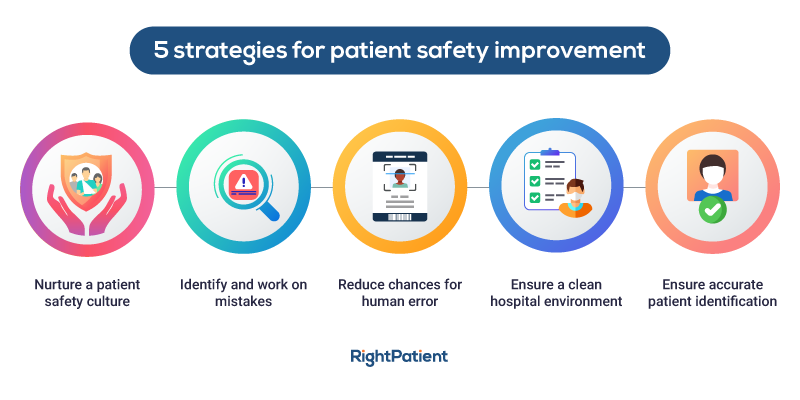
5 strategies for patient safety improvement

Nurture a patient safety-focused culture

One of the best patient safety improvement strategies is to foster a culture that focuses heavily on improving patient care. All employees, from the janitors to the decision-makers, must be a part of the culture and focus on patient safety and quality healthcare more than anything else. In fact, healthcare providers that aren’t fostering such patient-centered cultures are struggling with adverse events, medication errors, and worse. For instance, physicians must focus on patients themselves rather than their medical records and involve them in the decision-making process. This way, they can get better insights into the patient’s ailments to help them identify the problems in a more reliable manner.

Identify and work on mistakes

Rather than only acknowledging the mistakes that lead to patient safety incidents, working towards preventing future incidents is a much more sensible strategy. What’s even better is identifying the issues before they happen and preventing them. For instance, there are different solutions available that can help identify potential issues and address them effectively. In the case of mistakes that already took place, identifying why they occurred and coming up with strategies that can prevent future occurrences is the tried and tested solution. 

5-strategies-for-improving-patient-safety-RightPatient

Reduce chances for human error

While technology is evolving rapidly, most healthcare providers, unfortunately, are still stuck with ancient processes and manual methods. This leaves room for human error, something that can jeopardize patient safety in hospitals significantly. For instance, if paper is used for recording medicine administration, handwriting or common names can lead to mix-ups, leading to an adverse impact on healthcare outcomes. On the other hand, if digital solutions are used, then not only will it speed up the process, but it will also make it more reliable and safe (especially if patient photos are used for identification). This is just a simple example, but reducing chances for human error ensures patient safety improvement across the care continuum.

Ensure a clean environment and enforce hygiene rules

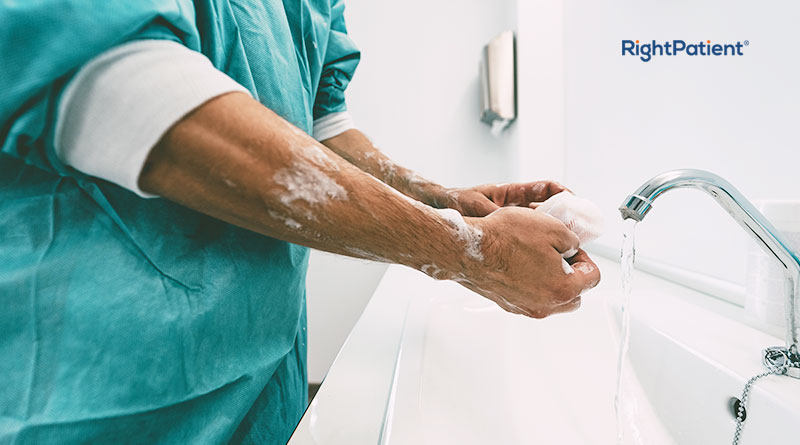
While many might have forgotten that we’re still going through a pandemic, hospitals and health systems must ensure that they are providing a safe environment for everyone involved. Not only must hospitals ensure that they keep their facilities clean, but they also need to ensure that everyone in the facilities is complying with safety rules such as wearing masks and maintaining distance. All of this leads towards reducing HAIs (hospital-acquired infections), improving patient safety in the process. 

Ensure accurate patient identification

One of the topmost patient safety goals for many years has been improving the accuracy of patient identification, and according to the Joint Commission, it will once again be the number 1 goal for 2022. This just shows how important accurate patent identification is for patient safety improvement. 

RightPatient-boosts-patient-safety-in-hospitals

The problem is that patient misidentification leads to a number of issues – duplicate medical records, patient record mix-ups, wrong treatment, and even medical identity theft. All of these lead to adverse healthcare outcomes, hospital readmissions, and even deaths. 

Fortunately, accurate patient identification IS possible – hospitals that have been using RightPatient are protecting millions of patient records and improving patient safety. 

RightPatient is a touchless biometric patient identification platform that essentially locks medical records during the registration process with patient photos. Registered patients only need to look at the camera when they revisit hospitals – RightPatient compares the photos and provides the accurate medical records for use, preventing duplicates, overlays, and medical errors. Moreover, it also helps prevent HAIs as it’s entirely touchless – improving patient safety on two fronts. 

How are YOU improving patient safety at your hospital(s)?

RightPatient-improves-patient-safety-in-hospitals

Why is Patient Safety Important and How Can RightPatient Help?

RightPatient-improves-patient-safety-in-hospitals

Ensuring and improving patient safety has always been important in the U.S. healthcare system. However, as we’re living in a pandemic, it is more important than ever now. As many hospitals have reopened, and others are planning to do so, most of them are concerned about keeping incoming patients safe and preventing any new COVID-19 outbreaks. Patient safety can be ensured with a number of strategies, including improving accurate patient identification, ensuring patient data integrity, and ensuring infection control – more on this later. That being said, let’s take a look at why is patient safety important now more than ever, what are the benefits, and how hospitals and health systems can improve patient safety with RightPatient – creating a safe environment for patients and caregivers.

RightPatient-improves-patient-safety-in-hospitals

COVID-19 has changed the landscape

Most people would agree that COVID-19 has changed everything. Not only has it affected our daily lives, but it has changed the way we work, the way we socialize, and the way we receive healthcare. To examine how COVID-19 has changed everything for hospitals, let’s take a look at a simple example. 

Patient safety in hospitals and healthcare systems can be ensured in several ways – one of which is ensuring proper infection control. In the pre-pandemic period, only healthcare providers were concerned about infection control issues – it wasn’t a concern for the majority of patients. However, the pandemic has taught everyone a lot – social distancing, wearing PPE, sanitizing frequently, and so on. Quite naturally, all patients are concerned about infection control in hospitals now.

Earlier, when coming to hospitals, patients weren’t much concerned about catching viruses. Now, patients need to think twice before coming to hospitals and most of them typically come with as much protection as possible. Their concerns are quite valid too – what if a COVID-19 positive patient was in the vicinity, or what if the patient touched a surface? 

That was just a simple example, but it provides a version of an answer as to why is patient safety important, especially now. Hospitals and health systems have the challenging task of keeping patients safe while ensuring them that they’re taking the most stringent measures to provide a safe environment for everyone in the facility. Otherwise, patient safety incidents could lead to patient harm, disability, and even deaths!

That being said, let’s take a closer look at some of the benefits of ensuring patient safety within healthcare facilities.

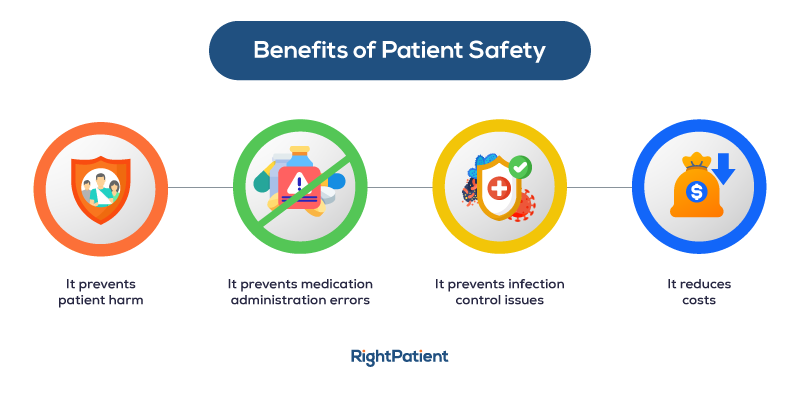
The benefits that show why is patient safety important

Benefits-of-patient-safety-RightPatient

It prevents patient harm

Quite naturally, ensuring patient safety helps improve patient outcomes – they are simply getting the appropriate treatment plan that fits their ailments. Many cases have occurred where the patient wrongly receives the treatment that’s meant for someone else – leading to hospital readmissions, adverse effects, and worse. Improving patient safety ensures that high-quality care is provided to all the patients every time they interact with the healthcare provider. 

It prevents medication administration errors

A huge concern of patient safety advocates is patients getting the wrong medicine or the wrong dosage – the results can be catastrophic! Using medication management protocols and accurate patient identification whenever necessary, nurses and therapists can easily confirm what dosage and which medications are required by the patients and at what times – improving patient safety. 

It prevents infection control issues

As mentioned above, one of the patient safety concerns is infection control. Having a strict hygiene policy isn’t enough anymore – hospitals need to screen their patients strictly whenever one comes in to see whether they’re showing symptoms of COVID-19. However, doing it properly not only prevents the spread of the notorious virus but also other lesser-known infections within the healthcare facility. Otherwise, the spread will lead to other patients becoming sicker in the process. 

Why-is-patient-safety-important-RightPatient

It reduces costs

Preventing patient safety incidents saves numerous costs – costs that arise from patient harm, litigation costs, denied claims, patient misidentification, medication administration errors, and more. All of this, when summed up, becomes a large amount of money for any given hospital or health system, and given the pandemic’s pressure on healthcare providers, they need to reduce costs as much as possible. 

Fortunately, RightPatient knows why is patient safety important, and it helps to improve it in several ways. 

RightPatient boosts patient safety efforts

RightPatient is a touchless biometric patient identification platform that’s already deployed at several hospitals and health systems and is protecting millions of patient records – improving patient safety in the process. 

For registration, patients only need to look at the camera when they come in for in-person hospital visits, making it a touchless, hygienic, and safe experience – preventing infection control concerns and improving safety. 

Remote patients receive a link via an SMS to provide their photos after they schedule appointments. New patients need to provide a photo of their driver’s license along with a selfie for registration. RightPatient runs a search to see if the photos match and provides credentials to the new remote patients. 

RightPatient not only ensures a contactless and hygienic experience, but it also ensures that the correct information is fed to the appropriate EHR – preventing medication errors, mix-ups, or duplicates. It even prevents medical identity theft as fraudsters will be identified once they try to go through the verification process. 

RightPatient knows why patient safety is important, which is why it helps to improve it on several fronts. How are YOU ensuring patient safety at your healthcare facility?

RightPatient-Partners-with-Harris-Healthcare

RightPatient Partners with Harris Healthcare to Secure and Maintain EMPI Data Integrity

RightPatient-Partners-with-Harris-Healthcare

Very recently, RightPatient and Harris Healthcare’s DIS (Data Integrity Solutions) Business Unit have announced a strategic partnership to tackle patient data integrity issues by ensuring accurate patient identification. 

RightPatient-Partners-with-Harris-Healthcare-patient-identity-management

Harris DIS includes QuadraMed, which focuses on EMPI management and data cleanups, and Just Associates, focused on helping hospitals and health systems achieve and maintain a highly accurate and quality MPI. QuadraMed provides end-to-end patient identity management to prevent duplicate medical records and dirty patient data to improve patient data integrity. From data analysis to cleanups, Just Associates performs the critical tasks necessary for a pristine MPI. Its state-of-the-art suite of identity management solutions and services includes continuous duplicate detection (IDSentry™), ongoing MPI management (IDManage™), and customized MPI clean-up services (IDResolve™).

By using the RightPatient Integrity Platform with Harris DIS’ existing solutions, patient identity management will be much more secure, accurate, and efficient. The collaboration provides important protections against front-end contamination of the MPI and EMPI and helps eliminate patient misidentification and safety issues created by “dirty” patient identification data. 

The problem of patient misidentification and dirty patient data

Several factors cause front-end contamination and dirty patient data within an MPI or EMPI, such as frequent flyers, medical identity theft, and duplicate medical records. There may even be duplicate records that have very limited or contrasting information.

RightPatient Integrity Platform incorporates patient photos into the Quadramed SmartID platform, helping identify and resolve these challenging duplicate records that were created from cases of alias or stolen identities. This helps reduce new duplicate and overlaid medical records right from the start, while Just Associates focuses on creating and maintaining a pristine MPI/EMPI environment and supporting rapid and accurate patient identification. 

RightPatient advances Harris DIS’ ability to address key health information issues by reducing the volume of potential duplicate medical records, preventing patient misidentification, enhancing patient safety, and ensuring patient data integrity across the care continuum. Doing so is more important than ever as remote patient registrations have increased due to COVID-19. 

RightPatient and Harris DIS’ partnership aims to improve the overall efficacy of medical data clean-ups and ongoing data integrity efforts with RightPatient’s robust de-duplication engine. It secures patient information and minimizes the ongoing cost of maintaining quality patient data. 

How RightPatient and Harris DIS improve patient identity management

Typically, an EMPI contains patient information from a health system’s several facilities such as labs, hospitals, physician practices, and pharmacies. Front-end contamination is common if positive patient identification isn’t ensured during the registration process. This later leads to dirty patient data, duplicates, overlays, patient safety incidents, write-offs, and more. 

RightPatient and Harris DIS can address and solve patient misidentification right off the bat using patient photos.

During the registration process, hospitals collect the patient information along with their photos. The MPI data is then sent to QuadraMed for analysis and cleaning, after which RightPatient Integrity Platform receives a copy of the patient photos along with the corresponding MRNs (medical record numbers). Using RightPatient’s powerful photo-matching engine, the patient photos are deduplicated to bolster overall system analytics.

RightPatient Integrity Platform with Harris DIS can be used for:

  • Existing EMPI data cleanup projects
  • Identifying duplicates during the registration process
  • Hospitals that are starting to capture patient photos

The impact of effective patient identity management

RightPatient’s leading touchless patient identification platform is being utilized by numerous healthcare providers to identify their patients safely, reliably, and effectively.

During the registration process at hospitals and healthcare facilities, patients just look at the camera and the platform takes a photo and attaches it to the medical record. During remote registrations, patients receive an SMS after which they provide a selfie and a photo of their driver’s license. The platform then searches for a match between the two photos and assigns biometric credentials to new patients.

The same expertise comes with the RightPatient Integrity Platform which can be seamlessly integrated with any EHR, including QuadraMed’s SmartID Platform. This enables healthcare providers to:

  • Prevent duplicate and overlaid medical records during registration
  • Ensure remote patient photo capture and authentication
  • Bolster de-duplication and EMPI data cleanup efforts
  • Ensure clean patient data across the care continuum
  • Improve patient safety and prevent medical errors
  • Reduce write-offs and denied claims
  • Prevent cases of identity theft and “frequent flyers”
8 Ways to Better Secure Patient Medical Records

8 Ways to Better Secure Patient Medical Records

8 Ways to Better Secure Patient Medical Records

As a medical or medical administration professional, you’re likely familiar with the ways that the digital world has impacted the healthcare industry. On the whole, the technological developments involved in the medical field have caused a variety of positive changes for patients and providers alike. However, there is still the risk that the tech used in medical settings can be put at risk if not treated carefully. Patients’ medical records are private and often sensitive, and it’s important to protect them as much as possible. Here are a few ways to better protect and secure patient medical records. 

8 Ways to Better Secure Patient Medical Records

Regularly Perform Risk Assessment

Although this one might seem self-explanatory, you’d be surprised at how long some people go without assessing risk within their systems. Especially if you make any big changes to things like tech systems or location, those can come with breaches in security that can go easily undetected while you adjust. Additionally, many states require regular risk assessments by HIPAA law anyway.

Encrypt Your Data

This is a tip that anybody can use for data security, and healthcare providers are no different. From emails to patient portals and backend systems, utilizing encryption can keep cybercriminals out of your systems and protect any data from breaches. Especially nowadays, it’s important to protect your data as much as possible.

Keep Organized

Although this has more to do with your end of things than the tech end, it certainly helps with storing the correct information in the proper places. You want to be able to provide people with their medical information and access patient files without going through too much other sensitive information to get to it. Under HIPAA, medical professionals are required to provide a patient with a copy of their health information within 30 days of their request, so you want to be able to get to it as quickly as possible without risking security every time.

Monitor System Access

This is something that you can put into practice right away, without meddling with the actual software or hardware – specifically, you can put this into place by implementing policies within your department. When everyone has the same level of access to your systems, it can risk breaches in security. However, when you monitor who has access to your systems, you can mitigate risk by creating levels of security within the back end. 

Use Two-Factor Authentication For Patient Portals

Many healthcare providers have followed the recent trend of providing patient portals for patients to access their healthcare information remotely. While this is a great idea for ease and accessibility – in addition to keeping track of a patient’s healthcare and insurance information – patient portals can also be a big security risk for outside threats. One way to mitigate this risk is by requiring two-factor authentication for all of the patient portal accounts, so you can better ensure that everyone using your system is actually allowed to be there. 

Be Careful About Remote Access

Speaking of remote access, it can be tempting to allow your employees – both healthcare providers and other industry professionals – to access patient information and other sensitive files remotely in order to better aid productivity. However, this can also lead to breaches in security, especially if it’s easier to access files on the professional side, it might lead to hacking and file breaches. Sometimes, it can be best to closely monitor remote access, or only allow people to utilize the online backend when they’re on the premises. 

Perform Updates Periodically

Updating the systems as necessary might sound like an obvious tip, but it’s always good to have a reminder. Just like regular risk assessments, performing regular updates can ensure that you have the best and most updated security capabilities available. Even if it might take a little while to fully update everything, it’s absolutely worth the time and effort for the updated security measures. 

Use a Robust Patient ID Platform

Ensuring accurate patient identification helps protect medical records in several ways. It prevents medical record mix-ups, duplicate medical records, overlays, and even medical identity theft. RightPatient, for instance, is a touchless biometric patient identification platform that uses patient photos to identify them accurately across the care continuum. After locking medical records with patients’ photos, they only need to look at the camera during subsequent visits, RightPatient does the rest – preventing mix-ups, identity theft, and protecting medical records in the process. 

Securing Your Medical Files

No matter where you work in the medical sphere, it’s always important to secure your patients’ files as much as possible. With technology moving at a faster rate than ever before to offer convenience and ease, it’s also important to keep an eye on security measures, especially when it comes to sensitive information like medical records.