
Effective Strategies for Defending Patients in Medical Malpractice Cases

Effective Strategies for Defending Patients in Medical Malpractice Cases

Effective Strategies for Defending Patients in Medical Malpractice Cases

Medical malpractice cases — if you want to win, you’ve got to dig deep. You need the kind of  tactics that don’t show up in every law school textbook. 

So, let’s talk about the strategies that the real pros use — the ones that might just give you the  edge when the case goes to trial or, ideally, before it ever gets there. 

What Exactly Is Medical Malpractice? 

Medical malpractice occurs when a healthcare provider — doctor, nurse, hospital, or even a  pharmacist — fails to provide the standard level of care, leading to harm or injury to a patient. 

But here’s the kicker — not every bad outcome is malpractice.  

Medicine isn’t an exact science, and even the best doctors can’t guarantee perfect results. 

That’s why the burden of proof is so high for these cases. Plaintiffs have to show that their injury  resulted from a deviation from the standard of care, not just bad luck or an expected risk of  treatment. 

Real-World Examples of Medical Malpractice 

  1. Surgical Errors – A surgeon leaves a sponge inside a patient after surgery, leading to  infection. 
  2. Misdiagnosis or Delayed Diagnosis – A patient with clear signs of a heart attack is  sent home with antacids instead of life-saving treatment. 
  3. Medication Mistakes – A pharmacist dispenses the wrong medication or incorrect  dosage, causing severe side effects. 
  4. Birth Injuries – A doctor fails to recognize fetal distress, leading to long-term damage to  the baby. 
  5. Anesthesia Complications – An anesthesiologist administers too much anesthesia,  leading to brain damage or death. 

How Common Are Medical Malpractice Cases? 

Medical malpractice lawsuits are more frequent than you might think. According to the National  Practitioner Data Bank (NPDB), around 85,000 medical malpractice claims are filed in the U.S.  every year.  

However, only a fraction of these cases actually go to trial — about 7%. The vast majority are  settled out of court. 

That said, patients win only about 20-30% of cases at trial, which means a strong legal strategy  is crucial for success. 

#1 Investigate Your Client First — Don’t Get Blindsided 

Not every patient is telling the full truth. Before taking a case, do your homework: ● Check for prior conditions that may have contributed to their current issue ● Look into previous lawsuits they may have filed 

  • Assess whether they’re exaggerating symptoms 

A weak case can sink your reputation — so vet your client as thoroughly as you’d vet the  defense. 

#2 Frame the Case to Maximize the Likelihood of Winning

Not all malpractice cases are won the same way. Some are stronger when focusing on  financial damages — medical bills, lost wages, rehabilitation costs. Others hit harder when  centered on pain and suffering or loss of enjoyment of life. 

  • If a client has high medical costs, emphasize the long-term financial burden. â—Ź If their injury has caused emotional trauma, lean into the pain and suffering angle. â—Ź If they’ve lost future opportunities — like a career in sports — make that a focal point. 

Treat each case as unique, and frame it in the way that makes the most compelling argument  for the jury. 

#3 The “CSI Effect” — Leverage the Jury’s Expectation for Hard  Proof 

Thanks to TV crime dramas, juries expect clear, undeniable evidence. Use that to your  advantage.  

Get your hands on imaging scans, lab reports, and expert testimony that demonstrates the  negligence. If the defense tries to argue that “medicine is complicated,” hit back with the hard  proof.  

Show the jury exactly where the mistake happened. If a doctor missed a glaring abnormality on  an X-ray, blow it up on a screen and make it impossible to ignore. 

#4 Follow the Paper Trail — Because Hospitals Cover Their  Tracks 

Hospitals and doctors document everything. But guess what? Sometimes they document too  much, and inconsistencies creep in. Look for: 

  • Changes in medical records (handwritten notes that don’t match digital ones) â—Ź Time-stamped discrepancies (a nurse’s log might show that a drug was given before it  was even prescribed) 
  • Unusual gaps (if a critical test result is missing, why?) 

If you find a change in the records after the malpractice claim was made, you may have just  uncovered an attempt to cover up negligence. And that is something juries don’t take kindly to. 

#5 Expose the “Expert Witness for Hire” — Turn the Defense’s  Strategy Against Them

Defense teams love bringing in polished expert witnesses who make malpractice seem  impossible. But many of these so-called “experts” are professional testifiers who haven’t  touched a patient in years. 

Your move? Dig into their credentials. 

  • How often do they testify versus practice medicine? 
  • Have they ever given contradicting testimony in another case? 
  • Are they truly specialists, or are they stretching their expertise? 

If you can show they’re a career courtroom “expert” rather than a practicing doctor, their  credibility plummets. 

#6 Humanize Your Client — Because Juries Rule with Their  Hearts 

Juries don’t just rule on evidence — they rule on emotion. As a medical malpractice attorney,  you need to make your client real to them. Instead of dry medical facts, tell their story. Show  how their life has changed because of the malpractice. 

  • Use before-and-after visuals — a happy, active person before the incident vs. their  current condition 
  • Bring in witnesses who can speak emotionally — family members, friends, even  coworkers 
  • Highlight lost opportunities — grandkids they can no longer play with, jobs they can no  longer do 

When juries feel the injustice, they’re more likely to rule in your favor. 

#7 Challenge the “Standard of Care” Argument — And Redefine It 

The defense will argue that the doctor followed the “standard of care” — but whose standard?  Medicine evolves, and what was “acceptable” ten years ago may no longer apply today. â—Ź Find recent peer-reviewed studies that contradict the defense’s claim â—Ź Show how top hospitals handle similar cases differently 

  • Highlight cases where other doctors admitted they would have done things  differently 

If you can argue that the standard of care was outdated or poorly applied, the jury may start  seeing the defense’s position as weak. 

#8 Get the Hospital’s Internal Protocols — And Use Them Against  Them

Hospitals have their own internal protocols that outline how procedures should be done. If a  provider deviated from their own standards, that’s even stronger evidence of negligence. Get  those policies and compare them to what actually happened in the case. 

#9 Use Digital Footprints to Your Advantage 

Look for: 

  • Online reviews from other patients who had similar complaints 
  • Public disciplinary records that reveal past issues 

These digital breadcrumbs can be powerful in court, showing a pattern of negligence or  dishonesty. 

#10 Settlements: Leverage the Fear of Reputation Damage 

Doctors and hospitals hate bad press. A tarnished reputation can mean lost patients and  lawsuits piling up. That’s why they’ll often lean toward an out-of-court settlement. To maximize  what your client gets, emphasize: 

  • The risk of public exposure through media coverage 
  • The cost of drawn-out litigation 
  • The potential for setting a legal precedent that could encourage more claims A well-timed settlement offer can secure fair compensation without the uncertainty of trial. Final Thoughts: Winning Means Outthinking, Not Just Outarguing 

Medical malpractice cases aren’t just about showing mistakes — they’re about proving  negligence. It’s a game of strategy, psychology, and evidence. Go beyond the obvious, dig into  the details, and make the jury see what happened. 

Above all? Tell a story they can’t ignore. That’s how you turn a tough case into a winning one. Now go build that case.


Hiring Reinvented An Interview on Real Results with Talent Intelligence

Hiring Reinvented: An Interview on Real Results with Talent Intelligence

Hiring Reinvented An Interview on Real Results with Talent Intelligence

“Hiring the right people shouldn’t feel like gambling.“

That’s what Jenna Collins, Director of Talent Acquisition at a large enterprise, realized when costly bad hires and interview delays were holding her enterprise back. In this exclusive conversation, Jenna shares how implementing talent intelligence through CloudApper AI Recruiter transformed her entire hiring process—from automating resume screening and interview scheduling to improving candidate experience and reducing bias.

Interviewer: Jenna, let’s start with the big picture—what challenges were you facing before you discovered CloudApper AI Recruiter?

Jenna Collins: Honestly, it was chaos. We were scaling fast, which sounds exciting, but from a hiring perspective, it was overwhelming. My team was drowning in resumes, our time-to-hire was far too long, and we were making too many hiring mistakes. Great candidates were slipping through the cracks, and our recruiters were completely maxed out.

Interviewer: What do you think was driving those challenges?

Jenna: A lot of it came down to inefficiencies in our process. Screening hundreds of resumes manually just isn’t sustainable at the enterprise level. We were relying too much on instinct and gut feeling to shortlist candidates. Then, coordinating interviews across different calendars? That alone ate up hours. By the time we got to the best-fit candidates, they were already hired elsewhere.

Interviewer: That sounds incredibly frustrating. What prompted the shift?

Jenna: After one particularly painful quarter with multiple bad hires and a ton of churn in our sales department, I knew we had to do something. I went on the hunt for a smarter hiring solution—and that’s when I found CloudApper AI Recruiter.

Interviewer: What stood out to you about CloudApper’s solution?

Jenna: Simplicity and power. I didn’t need a data science team to get started. It promised talent intelligence—automated resume screening, candidate scoring, interview scheduling—all in one place. And the CloudApper team made it so easy to roll out. We piloted it with sales and marketing roles first, and the results were immediate.

Interviewer: Let’s talk about the results—what changed?

Jenna: Resume screening was the first major breakthrough. CloudApper scanned and ranked candidates in seconds. Instead of spending hours sifting through profiles, my team now focuses on the top 10%—those with the right skills and past performance indicators.

Interviewer: And how about interview coordination?

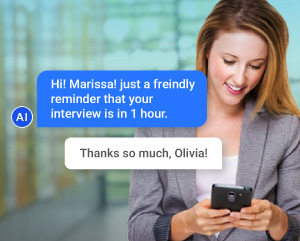
Jenna: That was a game changer. The system matches candidate availability with the hiring manager’s calendar, sends reminders, and even lets candidates reschedule automatically. It removed all the back-and-forth emails and calendar headaches.

Interviewer: What impact did that have on candidate experience?

Jenna: It went through the roof. Candidates felt valued, got quicker responses, and didn’t fall through the cracks. Our engagement metrics improved, and we noticed fewer drop-offs midway through the process.

Interviewer: You mentioned bad hires earlier—has that improved?

Jenna: Drastically. CloudApper’s predictive analytics give us a clearer picture of candidate fit—based not just on skills, but on behavioral data and soft skills. We’ve become much more confident in our hires, and our 90-day retention has jumped significantly.

Interviewer: Did the solution help address hiring bias?

Jenna: That’s one of the things I love most. Before, unconscious bias—names, schools, even formatting—would sway decisions. Now, CloudApper’s AI focuses on merit. We’ve seen more diversity in our pipeline, and we’re building stronger, more inclusive teams.

Interviewer: If you had to sum up the transformation in one sentence, what would you say?

Jenna: CloudApper took our hiring from instinct-driven to insight-driven—and that changed everything.

Interviewer: Final thoughts?

Jenna: If your hiring feels chaotic, or you’re losing great talent due to slow processes, don’t wait. Talent intelligence isn’t just a buzzword—it’s a practical, scalable way to make hiring fairer, faster, and smarter. CloudApper made it easy for us, and I wish we’d adopted it sooner.

Conclusion

Jenna’s story proves that talent intelligence can turn hiring from a guessing game into a strategic advantage. By using CloudApper AI Recruiter, her enterprise dramatically cut screening time, improved diversity, and boosted hiring confidence—all without adding complexity. For HR leaders looking to streamline hiring, reduce bias, and make data-backed decisions, this success story shows what’s possible with the right tool. So, if you want to see success similar to Jenna here, contact the CloudApper AI team now.

Understanding Healthcare Challenges for Autistic Individuals

Understanding Healthcare Challenges for Autistic Individuals

Understanding Healthcare Challenges for Autistic Individuals

Accessing quality healthcare can be a significant challenge for families with autism members. Many parents and caregivers face obstacles such as misdiagnoses, a lack of trained professionals, and difficulty navigating the healthcare system. Additionally, disparities in autism care can lead to delays in diagnosis and treatment, affecting long-term outcomes. According to the Centers for Disease Control and Prevention (CDC), autism spectrum disorder (ASD) affects 1 in 36 children in the U.S., highlighting the urgent need for accessible and effective healthcare solutions.

Beyond medical barriers, autistic individuals often experience heightened anxiety in clinical settings due to sensory sensitivities and communication difficulties. Healthcare professionals who lack training in autism-friendly care may struggle to provide effective treatment, exacerbating stress for both the individual and their family. Addressing these challenges requires a multi-faceted approach, including caregiver education, policy improvements, and enhanced medical training in neurodivergent care.

The Importance of Educating Families on Autism and Advocacy

A key step in improving healthcare access is ensuring that families are well-informed about autism and their rights as advocates. By understanding the nuances of ASD and the healthcare system, caregivers can play an active role in securing better medical services for their loved ones. This includes knowing how to seek second opinions, requesting autism-friendly accommodations in medical settings, and advocating for insurance coverage for necessary therapies.

Education also helps families recognize early signs of autism, facilitating earlier intervention and access to essential services. Resources such as behavioral therapy, occupational therapy, and speech-language services can make a significant difference in developmental progress. Families and autism are deeply interconnected, and gaining knowledge about behavioral interventions can further empower caregivers in supporting their autistic loved ones.

Data and Trends in Autism Healthcare

Research indicates that early diagnosis and intervention lead to improved outcomes for autistic individuals, yet healthcare disparities persist. Studies show that children from minority and low-income families are diagnosed later than their peers, delaying crucial support. Additionally, only about 30% of primary care physicians feel confident in treating autistic patients, emphasizing the need for specialized training.

Telehealth has emerged as a promising solution to bridge the healthcare gap. Virtual consultations provide families with access to autism specialists regardless of location, reducing travel barriers and wait times. Similarly, digital health records and patient management systems are improving care coordination, ensuring that autistic individuals receive consistent and personalized medical attention.

The Future of Autism Healthcare

As awareness and advocacy grow, the future of autism healthcare is shifting toward more inclusive and patient-centered approaches. Policymakers are pushing for increased funding for autism research, insurance reforms to cover necessary therapies, and training programs for healthcare providers to improve autism-friendly care.

Advancements in medical technology are also playing a role. Wearable devices that monitor sensory responses and AI-driven tools for early autism detection are emerging trends that could revolutionize healthcare for autistic individuals. Additionally, community-based programs are expanding, offering families better access to support groups, specialized clinics, and mental health services tailored to autism care.

Practical Steps for Families to Improve Healthcare Access

To ensure better healthcare outcomes for autistic individuals, families can take several proactive steps:

  1. Educate Yourself – Stay informed about autism, available treatments, and healthcare rights.
  2. Find Autism-Friendly Providers – Seek out medical professionals trained in autism care.
  3. Utilize Telehealth Services – Consider virtual appointments for specialized care.
  4. Prepare for Appointments – Create sensory-friendly strategies and bring communication tools.
  5. Advocate for Policy Changes – Join advocacy groups to push for improved healthcare policies.
  6. Leverage Community Support – Engage with local autism organizations and peer networks for guidance.

By taking these steps, families can navigate the healthcare system more effectively, ensuring their autistic loved ones receive the care and support they need. As awareness continues to grow, ongoing efforts in education, advocacy, and policy reform will play a crucial role in shaping a more inclusive healthcare future for autistic individuals and their families.

The Importance of Neonatal Nurse Practitioners in Providing Holistic Care for New Mothers

The Importance of Neonatal Nurse Practitioners in Providing Holistic Care for New Mothers

The Importance of Neonatal Nurse Practitioners in Providing Holistic Care for New Mothers

Neonatal nurses provide care for high-need newborns. Often, their patients are born prematurely, or with some other major complication. The prognosis for the infant is usually not very good when a neonatal nurse practitioner is brought into the room. 

Technically, the child is their patient. However, they wind up working very closely with new parents as well, often serving as an approachable gateway between them and the healthcare system. It is the neonatal nurse practitioner who will answer their questions and often provide comfort during what can be the most challenging part of their lives. 

In this article, we provide an overview of what roles nurse practitioners play in the healthcare system, including how they can often provide holistic care for new mothers. 

Holistic Care for New Mothers

Holistic care takes into account the entire person. Their mind, their body, whatever that individual considers their “spirit,” to be. In the context of nurse practitioners and their interactions with new parents, there are two things to keep in mind:

  • The mother is not their patient. They will certainly see a lot of mom, but they are not technically treating her. Still, it is the parents who will receive health updates and ask questions about their child’s health status. 
  • Holistic care is not necessarily part of the job description. Western medicine is very clinical. Nurses are not always trained in holistic care, which means they are making an active choice when they incorporate elements of it into their routine. 

Most neonatal nurses understand that while the child is their patient, interacting with the parents is a core part of their responsibilities. To engage with them holistically is to understand their anxieties, and make time for them during every interaction. Answer their questions. Explain things exhaustively. Be patient even when the parents are ill-tempered, or actively hostile. 

It’s important to keep in mind that neonatal nurse practitioners are usually walking into people’s lives during the worst imaginable circumstances. Few situations are more emotionally charged than the birth of a child. When complications do emerge, parents are justifiably on edge. 

Nurse practitioners can radically shape how parents experience this daunting situation. 

Steps neonatal NPs could follow to provide holistic care to parents include:

  • Involving them in the infant treatment as much as possible. Make sure that the parent feels informed. Allow them to take an active role in any choices that are appropriate for them to make. This will give the parent a sense of control and allow them to feel like they are contributing to their child’s care. 
  • Demonstrate empathy. Neonatal nurse practitioners need to understand that they are entering a parent’s worst nightmare. Empathy can be as simple as a kind word and a caring demeanor. Little things can make a big difference. 
  • Provide individualized care. One of the biggest and most common complaints people have with Western healthcare is that patients often do not feel like individuals in the eyes of their care providers. By taking a nuanced and personalized approach to patient care, NPs can help improve the overall parent experience. 

It’s simple things that will ultimately be the most impactful where dealing with parents is concerned. 

As you can imagine, being a neo-natal nurse practitioner is difficult work that won’t be right for everyone. In the next heading, we will walk you through the process of what it takes to become a neonatal NP. 

Becoming an NP

Nurse practitioners all begin their journeys by getting their BSN— the bachelor’s degree associated with a nursing license. From there, they go on to pass the NCLEX and usually spend at least a few years working in a hospital. 

This latter step is usually optional— you can enroll in graduate school immediately after completing your BSN— but it isn’t a bad idea to log some time in the trenches first. Gaining work experience will help you get a better idea of what you like and don’t like about medicine. Neonatal nursing is about as high stakes as a clinical work environment can get. It’s not possible to know how you will respond to that pressure as a student. 

Gaining experience will help ensure that you are making a choice that truly aligns with your preferences. You don’t want to go through all of the trouble of becoming certified as a nurse practitioner only to realize that neonatal nursing is not a good fit for you. 

The other nice thing about waiting until you’ve worked for a few years is that you may receive tuition assistance from your employer. This can save you thousands of dollars in the long run. 

Completing a master’s degree usually takes 2-3 years assuming a traditional pace. However, you should note that many people—particularly those already working as nurses—will go at a slower pace. 

The key is to find a timeline that makes sense to you. It won’t do any good at all to overcommit and then burn out a year into your degree. 

Conclusion

Neonatal nurse practitioners have the opportunity to lead rewarding careers. Their pay breaks into the six-figure range, and they usually have a lot more freedom than regular nurses. That freedom comes with greater responsibility. 

Not everyone is built to make choices that will determine if a baby lives or dies. It’s an incredible amount of pressure. You may decide that the job simply is not for you. Here’s one thing to keep in mind though: babies that wind up in front of a neonatal nurse practitioner are sick no matter what.

Seeing it firsthand is hard, but it also gives you the chance to make a difference. If you are interested in meaningful work that can help keep families in one piece, consider becoming a neonatal nurse practitioner. 

How Biometrics Leads to Safer Food Processing

How Biometrics Leads to Safer Food Processing

How Biometrics Leads to Safer Food Processing

Food processing safety is critical. In the medical field, professionals understand how a lack of hygiene can mean the difference between contamination and cleanliness. Thankfully, technology like biometrics makes operations much safer for both the handlers and consumers.

Gaps in Making Food Processing Safer

The food industry already has processes in place to ensure safety. However, gaps can result in foodborne diseases or food poisoning. Human error is often the root of such situations, whether it’s in the stages of food cultivation or engineering. Aside from compromising people’s well-being, it can also use up resources and affect consumer confidence.

Integrating Biometrics

The suggestion of bringing in biometrics — whether it’s fingerprint scanning, facial recognition or more — can simplify a variety of processes and secure products.

Less Cross-Contamination

Some food businesses may handle different kinds of food, each with its own specific facility. Unfortunately, employees who move from space to space and handle these items may increase the chances of cross-contamination. Contaminated food is a common transmission path for viruses and pathogens.

Biometric technology offers the chance for touchless access control, which can limit incidents of staff mixing foods or beverages. It’s also relatively more convenient to enter spaces without having to touch surfaces. The fewer traces of bacteria, the better.

Real-Time Monitoring

Staff in food processing facilities are exposed to all kinds of products. Even with the right gear, there’s a chance for them to get sick in such environments. Biometrics can offer real-time monitoring of their vitals to ensure their health is right on track.

The monitoring aspect is especially helpful in larger and more remote factories. Managers with watchful eyes can even catch workers who may already be sick. They can call on them to leave the premises immediately to preserve the condition of the food and avoid them getting into a worse condition.

Tracking Livestock

Before food is processed, livestock must be well taken care of. Doing so is especially important if a brand is making claims like “free-range” or “cage-free” in its product. To ensure these animals are still safe, companies can use biometric technology to keep track of them.

Simpler applications involve caretakers putting a GPS on cattle to let them roam free while keeping track of where they are. However, there are more advanced ways to take advantage of this technology, like using a pattern recognition system to predict where animals are likely to go.

Recording Employee Movement

Forms of identification verification like passcodes and IDs can be forged to fake one’s attendance and participation in operations. Since biometric technology utilizes more unique features, it would be difficult to feign those records.

Stricter verification methods will ensure proper compliance from the workforce. Aside from attendance, the data will also deter them from slacking off their duties or moving from different rooms within the food processing facility. 

Food Machinery Protection

Food packaging machines — especially with more sophisticated technology — can be quite attractive to thieves. For instance, nitrogen generators can help keep products like meat, cheese and coffee fresher. Packaging of this nature can help prevent oxidation and avoid bacterial growth.

Biometrics can serve as a way to secure these different units and minimize any financial damage from losing them. If any damage appears, it would also be simple to check through the records and see who’s responsible for it.

Better Food Quality Control

Food processing must ensure products will withstand distribution and delivery before they get to consumers. While testing can assist with that, biometrics can provide a more accurate way of screening products before they even leave the facility.

Medical technologists can also suggest using biometric technology to streamline audit trails for processed food. Having real-time information and simplified processes can help companies maintain regulatory compliance on food quality in the long run.

Fraud Protection

Food processing facilities are high-value buildings. Biometric verification will minimize tampering from outside sources and ensure products will stay as they are. Aside from preventing unauthorized access, it would also deter the possibility of internal theft or record falsification from the workforce.

Increased Consumer Trust

Consumers want to patronize brands that put them and their health first. Publicizing the use of biometrics can put buyers at ease about the safety levels within the food processing sector. Food delivery companies, grocery stores and other partnered suppliers would also feel safer about receiving the inventory they ordered.

Revolutionize Food Processing Safety with Biometrics

Biometrics can transform food processing by providing a solid record of people’s movements, vitals and much more. Its inevitable integration will make enterprises much more proactive in safeguarding health and safety.

Workday HCM Time Tracking: Traditional Methods vs. Location-Based Time Tracking

Did you know that 60% of organizations report payroll inefficiencies due to inaccurate time tracking? If you’ve ever dealt with employee time discrepancies, you know how frustrating and costly it can be. Traditional methods of time tracking—think punch clocks, timesheets, or manual entries—are still common in many organizations, but they’re often riddled with errors, inefficiencies, and security risks. Thankfully, modern solutions like CloudApper AI TimeClock are changing the game, offering location-based tracking and automation for more accurate, compliant, and cost-effective workforce management.

Accuracy: Manual Punch-Ins vs. AI-Powered Biometric Authentication

Let’s start with accuracy. Traditional time tracking systems rely heavily on employees manually clocking in and out. This system is prone to errors—whether it’s employees forgetting to clock in or out, using another worker’s punch card, or accidentally recording the wrong time. In fact, a study from the American Payroll Association found that nearly 2% of employee time is lost due to these inaccuracies.

Now, compare that to CloudApper AI TimeClock, which integrates with Workday HCM and uses AI-powered biometric face recognition. This touchless system ensures that only the employee clocking in or out can record their time, eliminating the risk of “buddy punching” (when employees clock in for each other). The result? Accurate time records that are immediately available for payroll processing, ensuring no time is lost or incorrectly logged.

Also Read: How a Leading Retail Company Slashed Turnover by 30% Using Self-Service Kiosks

Compliance: Risk of Errors vs. Automated Tracking with Geo-Fencing

Compliance with labor laws is a critical issue for employers, particularly when it comes to accurate timekeeping. Traditional methods can lead to human errors or even deliberate time theft. For example, employees might forget to clock out for lunch, leading to overreported hours. Such mistakes not only affect payroll but also expose companies to potential compliance risks. According to the Department of Labor, companies have faced hefty fines due to poor timekeeping practices.

That’s where geo-fencing comes into play with CloudApper AI TimeClock. Geo-fencing creates virtual boundaries around specific work locations, so employees can only clock in or out when they’re within those designated zones. This means that workers can’t clock in before they arrive at work, or clock out after they leave. It also ensures that remote or field employees can’t record time from unauthorized locations. The automated tracking feature ensures that the data is always compliant with regulations like the Fair Labor Standards Act (FLSA), which requires accurate records of employee work hours.

Cost: Payroll Inefficiencies vs. Optimized Labor Costs with AI

When it comes to costs, traditional time tracking methods can be a drain on a company’s resources. Payroll inefficiencies, such as employees being paid for time they didn’t actually work, can lead to significant losses. Manual timesheets can also result in additional administrative work, with HR staff having to manually verify hours, adjust for discrepancies, and handle complaints. The result? Extra time and money spent on a process that could be much more streamlined.

CloudApper AI TimeClock not only reduces the need for administrative oversight but also cuts labor costs. With its automated location-based tracking and AI-driven analytics, the system reduces errors, eliminates time theft, and streamlines the payroll process. A retail client of mine, for example, saved over $200,000 annually by integrating AI time tracking and reducing payroll discrepancies by 35%. The best part? HR teams can spend less time handling timecard issues and more time on strategic tasks.

Also Read: Tracking Work Hours for Multi-Department Employees Is a Challenge— How to Solve It

Final Thoughts

The days of relying on outdated, inaccurate, and costly time tracking systems are over. With the integration of CloudApper AI TimeClock and Workday HCM, companies can not only improve the accuracy of their time tracking but also ensure compliance, optimize labor costs, and make the payroll process more efficient. Whether you’re managing a single location or multiple remote teams, the shift to AI-powered, location-based time tracking is a step toward modernizing your workforce management. If you’re ready to reduce payroll errors and improve your compliance processes, it’s time to make the switch to smarter, automated time tracking.

Are you ready to enhance your time tracking accuracy and boost efficiency? Let’s explore how CloudApper AI TimeClock can help your business today.


Simple Lifestyle Changes to Prevent and Manage Vein Disorders

Simple Lifestyle Changes to Prevent and Manage Vein Disorders

Simple Lifestyle Changes to Prevent and Manage Vein Disorders

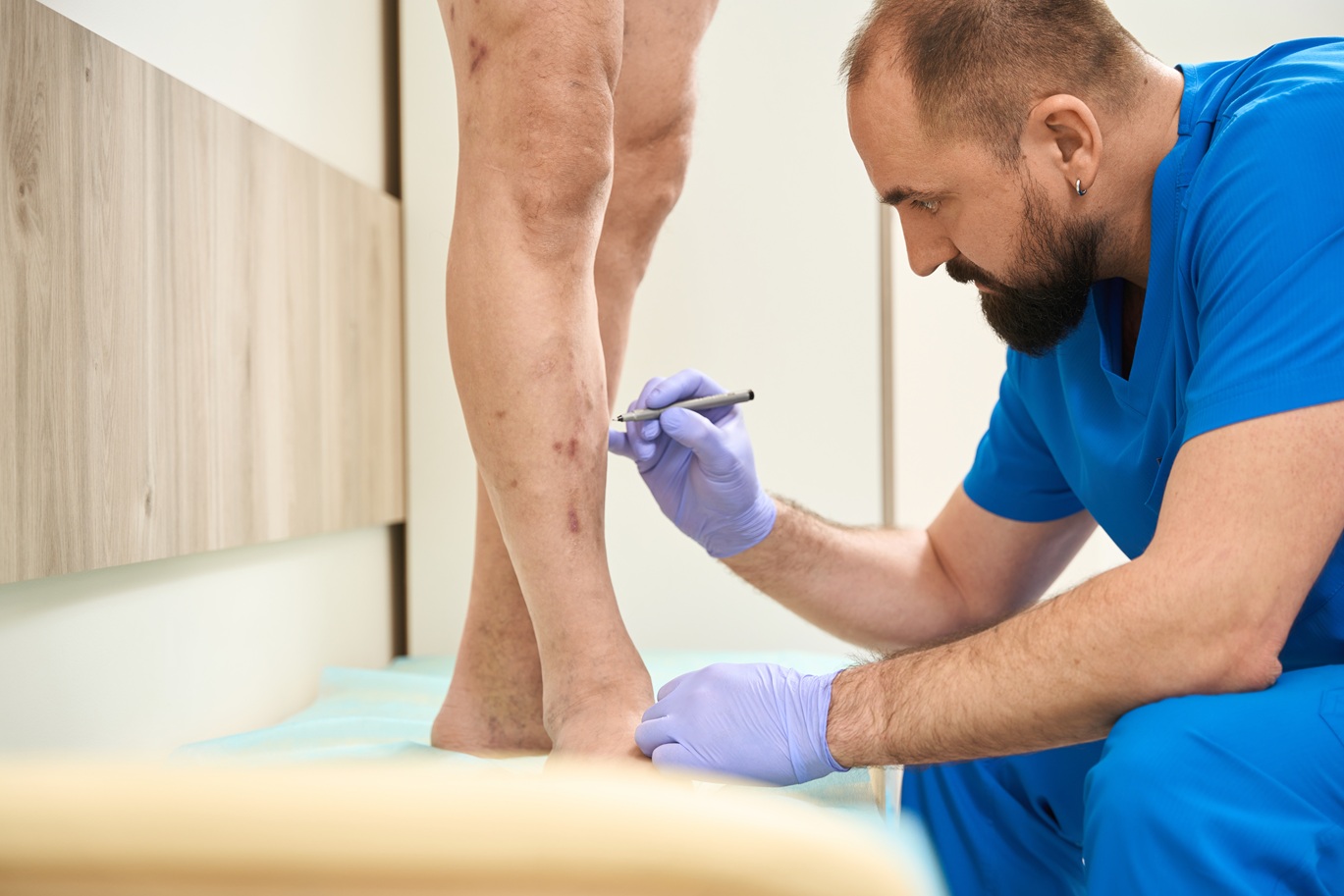
Vein disorders are more common than you might think, affecting millions of people worldwide. While some cases are genetic, many result from lifestyle choices. The good news? Small changes in your daily routine can drastically improve vein health, prevent complications, and even manage existing conditions. Let’s explore how you can take control of your vein health with easy, sustainable habits.

What Are Vein Disorders?

Vein disorders occur when veins struggle to return blood to the heart efficiently. Common conditions include:

– Varicose veins. Enlarged veins that appear on the legs.

– Spider veins. Smaller, visible veins that resemble a spider web.

– Chronic venous insufficiency (CVI). In this condition, blood pools in the legs due to faulty valves in the veins.

Why Vein Health Matters

Taking care of your veins is about more than just avoiding discomfort—it’s about maintaining good circulation and overall well-being. Healthy veins help your body function properly, while poor vein health can lead to different issues that affect daily life. Consult an El Paso Vein Doc to check your vein health.

The Role of Veins in Circulation

Your veins are in charge of carrying blood back to the heart. When they function properly, your circulatory system runs smoothly. But when veins weaken or become damaged, blood can pool in the legs, leading to:

– Swelling

– Pain

– Fatigue

Consequences of Poor Vein Health

Ignoring vein issues can lead to more dangerous complications, including:

– Leg pain and swelling. A common symptom of poor circulation.

– Skin changes and ulcers. Long-term vein problems can cause skin discoloration and even open sores.

– Blood clots (deep vein thrombosis, DVT). A serious condition that leads to dangerous health threats if left untreated.

By taking steps to support vein health, you can improve circulation, reduce discomfort, and prevent complications before they start.

Stay Active: Move Your Way to Healthy Veins

Staying active is one of the most helpful ways to support your veins. Regular movement keeps your blood flowing, reduces pressure buildup, and prevents vein-related discomfort. Even small changes in your routine can make a great difference.

How Exercise Improves Vein Health

When you move, your leg muscles contract, helping push blood back toward your heart. This decreases the chances of blood pooling in your veins, which can lead to swelling and discomfort. If your job keeps you seated or standing for long periods, taking breaks to move around is essential for maintaining good circulation.

Best Workouts for Vein Health

Not all exercises put the same amount of stress on your veins. The best options are low-impact activities that encourage blood flow without excessive strain:

– Walking. A simple way to get your legs moving and improve circulation.

– Swimming. It provides a full-body workout and takes the pressure off your veins.

– Cycling. Encourages leg movement without putting stress on the joints.

– Yoga. Helps with flexibility, circulation, and overall vein support.

By making movement a regular part of your routine, you can keep your veins strong and reduce the risk of vein-related problems. Even short walks or stretching sessions throughout the day can have long-term benefits.

Eat for Your Veins: The Best Foods for Circulation

What you eat plays a big role in your overall health, and your veins are no exception. A well-balanced diet can strengthen your veins, improve circulation, and reduce the risk of common vein issues. Making smart food choices doesn’t have to be complicated—just focus on nutrient-rich foods that support your circulatory system.

Foods That Support Vein Health

Certain nutrients help keep your veins strong and functioning properly. Adding these foods to your meals makes a noticeable difference:

– Vitamin C. Supports collagen production, keeping vein walls strong (found in citrus fruits, bell peppers, and strawberries).

– Fiber. Helps prevent constipation, which reduces strain on your veins (found in whole grains, beans, and vegetables).

– Antioxidants. Reduce inflammation and promote healthy circulation (found in berries, leafy greens, and nuts).

– Omega-3 fatty acids. Improve blood flow and prevent clotting (found in salmon, flaxseeds, and walnuts).

Foods to Avoid

Some foods can negatively affect circulation and contribute to vein problems. Limiting or avoiding these can help keep your veins in good shape:

– Processed foods high in salt. Excess sodium leads to water retention and swelling.

– Sugary snacks. It can cause inflammation and poor circulation.

– Excessive caffeine and alcohol. It can dehydrate the body and increase vein pressure.

By making some adjustments to your diet, you can support your veins naturally and reduce the risk of future complications. Small, consistent changes go a long way in maintaining good circulation and overall health.

Simple Daily Habits for Stronger Veins

Taking care of your veins doesn’t have to be complicated. Some adjustments to your daily routine can improve circulation and prevent vein problems. Whether it’s staying hydrated, elevating your legs, or making better footwear choices, these simple steps can keep your veins healthy and reduce discomfort.

Stay Hydrated: Water’s Role in Vein Health

Drinking enough water helps keep your blood flowing smoothly, reducing the risk of clotting and swelling. When you’re dehydrated, your blood thickens, making circulation sluggish and putting extra pressure on your veins. Aim for at least two liters of water daily, and if you’re active or live in a hot climate, you may need even more. 

Elevate Your Legs: A Simple Habit for Better Circulation

Spending long hours on your feet or sitting at a desk can cause blood to pool in your lower legs, leading to swelling and discomfort. Elevating your legs for 15-20 minutes a day will help improve circulation in your veins. Try supporting your legs up on a pillow while watching TV or reading.

Avoid Prolonged Sitting or Standing

If your job demands you to sit or stand for long periods, take regular movement breaks. Sitting too long slows blood flow while standing for hours increases pressure in your legs. Set a reminder to move every 30-60 minutes—even a short walk or a few stretches can make a difference. If standing is unavoidable, shift your weight between your legs and use a footrest when possible.

Choose the Right Footwear

What you wear on your feet impacts your circulation. High heels and tight shoes restrict blood flow and put a strain on your veins. Instead, opt for:

– Supportive, comfortable footwear that allows for proper circulation

– Low heels instead of high heels to reduce pressure on leg veins

– Shoes with good arch support to increase blood flow and reduce fatigue

Making these small changes in your daily routine can help keep your veins in great shape and prevent long-term issues. Your veins work hard for you every day—taking care of them is easier than you think!

Conclusion

Taking care of your veins doesn’t require drastic changes—just small, consistent habits. Prioritizing movement, a balanced diet, hydration, and proper rest can significantly improve vein health and reduce the risk of disorders. Start with one or two changes today, and over time, these habits will become second nature. Your veins will thank you!

Avoiding Costly Child Labor Violations

Avoiding Costly Child Labor Violations: How Franchises Can Stay Compliant with AI

Avoiding Costly Child Labor Violations

Recent child labor violations in the fast-food industry, including those involving Burger King and Popeyes franchise operators in Massachusetts, have put a spotlight on the challenges of labor law compliance. With penalties exceeding $2 million and back wages paid for violations, businesses must recognize the growing risk of non-compliance and its financial and reputational consequences.

For franchise operators managing multiple locations, ensuring compliance with labor laws is no small feat. The decentralized nature of these businesses, combined with varying state regulations, creates an environment where mistakes can happen. However, modern HR technology solutions like CloudApper hrPad’s employee self-service kiosk provide a proactive approach to managing compliance, reducing legal risks, and enhancing employee satisfaction.

Understanding the Growing Risk of Child Labor Violations

According to a report by the U.S. Department of Labor, child labor violations have increased by over 37% since 2020. Many of these violations stem from unintentional errors, such as failing to monitor minors’ work hours or assigning them tasks beyond their legal limits. Franchises, with their large workforce and multiple locations, are particularly vulnerable to such infractions. The consequences can be severe, leading to substantial fines, lawsuits, and reputational damage that can impact long-term business success.

How CloudApper hrPad Helps Franchises Stay Compliant

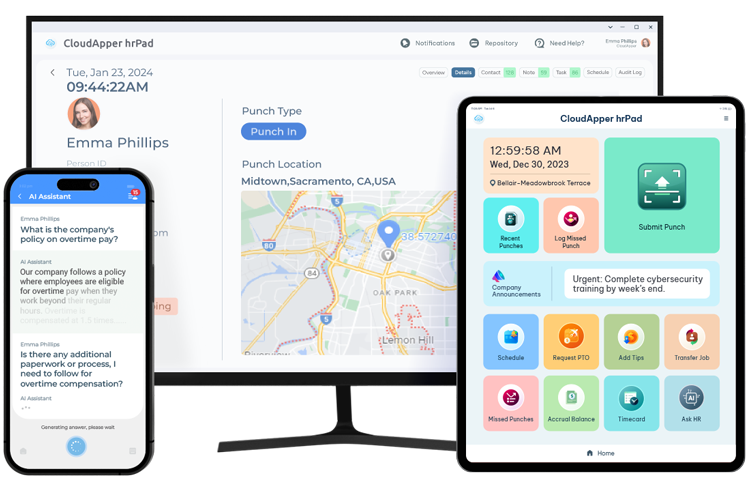
The hrPad employee self-service kiosk is a powerful tool designed to ensure compliance with labor laws while streamlining HR processes. Here’s how it can help franchise operators prevent child labor violations:

CloudApper-hrPad-Turn-any-iOS-or-Android-tablet

1. Automated Compliance with State-Specific Labor Laws

Labor laws vary across states, making it difficult for businesses to track regulations in multiple locations. hrPad can be customized to align with each state’s specific child labor laws, automatically flagging any violations before they occur. If a minor attempts to clock in beyond permitted hours or is scheduled for overtime, hrPad will notify both the employee and management, preventing costly errors in real-time.

2. Real-Time Alerts and Monitoring

Unlike traditional time-tracking methods, hrPad actively monitors employee work hours. It sends real-time alerts if a minor exceeds their legally allowed working hours, helping managers intervene immediately. This feature ensures compliance, even in fast-paced environments like quick-service restaurants, where scheduling oversights are common.

3. Geofencing to Enforce Legal Work Hours

With geofencing technology, hrPad ensures that employees can only clock in and out when physically present at their designated work location. This feature prevents minors from working outside their permitted hours, regardless of location-specific labor laws. For franchises with locations across different states, this ensures uniform compliance and eliminates potential violations.

4. AI HR Assistance for Legal Guidance

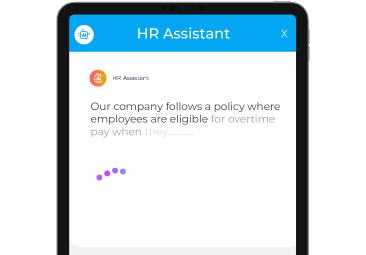
hrPad’s AI HR assistant is available 24/7 to provide instant answers to employees regarding labor laws and work restrictions. Younger workers can easily access information about their rights, shift limitations, and overtime rules, promoting awareness and proactive compliance. This feature empowers both employees and managers with the knowledge needed to avoid violations.

Cloudapper-hrpad-hr-assistant

A Real-World Example: Protecting Franchise Operators

Consider a fast-food franchise with multiple locations spanning several states. By implementing hrPad, each site can be configured to automatically enforce labor laws specific to its jurisdiction. The kiosk will:

  • Notify managers if minors are scheduled for overtime.
  • Prevent clock-ins beyond legally permitted hours.
  • Track all work hours in real-time for audit purposes.

As a result, the franchise can avoid hefty penalties, ensure compliance, and maintain a transparent and fair work environment for all employees.

The Business Benefits of Proactive Compliance

Beyond legal compliance, adopting smart HR technology like hrPad offers additional benefits, including:

  • Reduced HR Workload: Automating compliance checks frees HR teams from manual monitoring.
  • Improved Employee Experience: Employees can easily access their schedules, request time off, and receive instant HR assistance.
  • Cost Savings: Avoiding fines and lawsuits saves businesses significant financial resources while improving operational efficiency.

Take Action Before It’s Too Late

As child labor violations continue to rise, businesses cannot afford to take a reactive approach. Implementing CloudApper hrPad’s employee self-service kiosk ensures franchises stay compliant, reduce legal risks, and foster a workplace culture of trust and transparency. Don’t wait for an investigation—take control of labor law compliance today.

Contact us to learn how hrPad can help your business stay compliant and efficient.

Understanding the Effects of Nursing Shortages and Turnover on Patient Care

Understanding the Effects of Nursing Shortages and Turnover on Patient Care

Understanding the Effects of Nursing Shortages and Turnover on Patient Care

Healthcare shortages are everywhere. How do they impact the communities that are suffering from them? If you’ve ever lived in in town that doesn’t have enough nurses, you may have already experienced the impact, even if you hadn’t realized it.

Long wait times. Frustrated hospital workers. Patients without options. These are just some of the negative ramifications that come from not having enough doctors and nurses to go around. In this article, we take a closer look at the problem and look at some potential solutions.

Why do nurses leave?

Unfortunately, there’s no single answer to that question. While many people assume it is because the work is difficult, that’s only part of the problem.

Not only do nurses do work that is emotionally draining but many find it difficult to establish an effective support system.

Many work 12-hour shifts. Sometimes they work at night and sleep while their loved ones are awake. Even those with regular contact with friends and family members can’t share their anxieties and expect the other person to understand what they’re going through. 

Your spouse may be incredibly supportive but unless they’ve watched someone die and then been expected to come home and sit down for a family dinner, they can’t fully understand your experiences.

While nursing school does prepare future RNs for some aspects of their future careers, nothing can fully communicate the physical, mental, and emotional difficulties of working in healthcare. Hospitals can reduce turnover to an extent by establishing better support networks, improving benefits, and generally looking for ways to accommodate their employees. However, there is no solution for the difficulty of the job itself.

Long Wait Times

One of the tamest, though also most frustrating consequences of staffing shortages is that patients are forced to wait longer and longer for routine appointments.

Who hasn’t waited at a hospital or emergency room for an interminably long time?

Fortunately, there are solutions to this problem. Telehealth services make it easier for patients to have simple healthcare questions answered from the comfort of their homes. This puts less pressure on the local healthcare network. 

With doctors and nurses answering basic concerns through virtual messaging patients who need in-person consultations will usually have less of a weight time.

This does not solve the issue of hospital shortages, of course, but it does alleviate some of the burden placed on our already overworked healthcare system.

Poor Patient Outcomes

Naturally, the more restricted a hospital is when it comes to its resources, the less it will be able to provide high-quality care for its patients. 

Overworked people make mistakes. In healthcare, those mistakes can be deadly. 

Fewer Options

Fewer healthcare professionals also means fewer options for patients. This may not sound like a big deal. However, it’s important to keep in mind how much trust a patient needs to have in their healthcare provider to fully engage with the process. 

A person’s mindset can heavily influence their recovery process. If they are frustrated with their options, it may influence their ultimate results. 

Turnover creates turnover 

It’s also important to mention that turnovers statistically speaking, tends to cause more turnover.

Here’s what happens: one person leaves. The hospital might take two months to replace them. That doesn’t mean that they suddenly need one less person to run effectively. 

While the hospital searches for a replacement candidate all of the doctors and nurses are forced to work a little bit harder. The job becomes more stressful. They start to feel burnt out.

An obvious solution presents itself. Why not quit? It’s easy enough to find a nursing job at a different hospital. Or, statistically speaking, they won’t even do that. They’ll move onto a completely unrelated career path.

This may seem like an extreme reaction to a couple of stressful months at work, but it is a statistical fact that holds true across sectors of employment.

Remember that people are already stressed at work even when everything is going OK. This is particularly true in an industry like healthcare where day-to-day responsibilities are very serious, and the emotional wear and tear is significant.

Hasn’t everyone felt like they’ll blow a fuse if just one more bad thing happens? So many healthcare workers are already at the end of their rope. One setback might be all it takes to convince a stressed-out nurse that it’s time to look for a new job.

Naturally, patients feel the effect of this turnover more than anyone else. 

And as the hospital begins to lose employees, it can become very difficult to recruit new team members. After all, who wants to go to work for a hospital, that seems to be falling apart at the seams?

Generally speaking, most hospitals will usually be able to bring new people on eventually. However, it can take months or even years to recover from a significant staffing shortage.

Is there a solution? 

That’s the billion-dollar question. Right now hospitals all over the country are working hard to find ways to keep their staff around. This has included everything from improved hours to additional benefits to mental health resources and even raises. Fringe benefits may help keep some nurses around. However, to truly fix the issue of healthcare shortages a more systemic solution is necessary.

To create a sustainable supply of nurses, universities need to do a better job recruiting for their RN programs. This means not only finding a wider pool of candidates from high schools but also looking for future doctors and nurses from all walks of life.

It’s no secret that minority communities tend to experience worse medical outcomes than their majority group counterparts. More conscientious recruiting could help fix that problem.

This isn’t a solution that will be quick or easy. However, with concerted effort and enough time, there is hope that healthcare shortages will eventually be solved.

Exploring Career Opportunities with a Mental Health Degree

Exploring Career Opportunities with a Mental Health Degree

Exploring Career Opportunities with a Mental Health Degree

The demand for professionals who support individuals’ well-being continues to rise. More people are seeking guidance to manage daily challenges, leading to increased opportunities in fields that promote emotional and psychological health. With advancements in education, flexible learning options have made it more accessible to gain the necessary skills for these roles. Choosing the right program can impact your future prospects and financial situation, making affordability an essential factor when considering where to study.

Here’s how you can choose the right mental health degree based on your career goals:

Understanding the Scope of a Mental Health Degree
A mental health degree opens doors to diverse professions focused on supporting individuals, families, and communities. This field offers paths in clinical practice, social services, education, and research. Each role plays a vital part in addressing challenges related to emotional and psychological well-being. Whether working directly with clients or contributing through research and advocacy, individuals in this field help create healthier, more supportive environments.

Finding the Right Program
Selecting a program that aligns with your goals is essential. Factors such as tuition costs, accreditation, and course flexibility can influence your decision. Various online platforms offer resources to help individuals find programs that suit their financial and academic needs. By exploring their listings, you can identify some of the most affordable online counseling degrees available, helping you advance your career without accumulating excessive debt. Their comprehensive database includes accredited options with flexible schedules, making it easier to balance studies with other commitments. 

Becoming a Licensed Counselor
Pursuing a career as a counselor involves academic training and practical experience. Licensing requirements typically include completing an accredited program, gaining supervised experience, and passing a certification exam. Specializations like addiction counseling, marriage and family therapy, and school counseling allow individuals to focus on specific areas of interest. Continuous professional development ensures that counselors stay informed about the latest research and techniques, helping them provide effective support to those in need.

Pursuing a Career in Clinical Psychology
Clinical psychologists assess, diagnose, and treat individuals experiencing emotional and psychological challenges. This field requires advanced academic qualifications and extensive practical training. Professionals may work in hospitals, private practices, or research institutions. Their work involves understanding complex behaviors and developing personalized treatment plans to help individuals improve their well-being. Ethical considerations and a commitment to ongoing learning are essential for success in this field.

Exploring Opportunities in School Counseling
School counselors play a key role in supporting students’ academic, social, and emotional development. They help students navigate challenges, set goals, and build essential life skills. This role requires strong communication abilities and a deep understanding of child and adolescent development. Counselors collaborate with educators, parents, and other professionals to create supportive environments where students can thrive. Obtaining the necessary qualifications involves completing a relevant program, gaining practical experience, and obtaining certification.

Working in Substance Abuse and Addiction Counseling
Substance abuse counselors help individuals break free from addiction and regain control of their lives. This role requires empathy, communication skills, and a commitment to supporting long-term recovery. Professionals in this field guide clients through the process of identifying triggers, developing healthier coping mechanisms, and building supportive networks. Certification typically involves completing a relevant program, gaining supervised experience, and passing an exam. Continuous training helps counselors stay informed about effective treatments and emerging trends in addiction recovery.

Building a Career in Marriage and Family Therapy
Marriage and family therapists assist individuals, couples, and families in navigating relationship challenges and improving communication. By addressing conflicts and strengthening emotional connections, they help clients build healthier, more fulfilling relationships. This profession requires specialized training in family dynamics, conflict resolution, and therapeutic techniques. Licensing usually involves completing a recognized program, obtaining supervised clinical experience, and passing a licensing exam. Therapists often work in private practices, healthcare facilities, or community organizations.

Supporting Communities Through Social Work
Social workers play a crucial role in promoting social well-being by supporting individuals, families, and communities. Their work involves helping clients access resources, navigate complex systems, and address challenges related to housing, employment, and relationships. Clinical social workers provide therapeutic support, while non-clinical social workers focus on advocacy and case management. Certification requirements vary by location but typically include completing an accredited program, gaining supervised experience, and passing an exam. Continuous professional development ensures that social workers remain effective advocates for their clients.

Advancing as a Mental Health Educator
Mental health educators teach individuals, groups, and communities about emotional well-being and psychological health. They work in schools, colleges, healthcare organizations, and community centers, promoting awareness and reducing stigma. Educators develop curricula, lead workshops, and provide resources that help people understand and manage their mental well-being. This role requires strong communication skills, a passion for teaching, and a commitment to lifelong learning. Many educators hold advanced qualifications and stay current with research and best practices in their field.

Exploring Research and Policy Roles
Professionals involved in mental health research and policy contribute to advancing knowledge and improving support systems. Researchers study the causes, effects, and treatments of emotional and psychological challenges, while policymakers develop legislation and initiatives that promote well-being. Careers in this field often require advanced academic qualifications and a strong foundation in research methods and data analysis. By conducting studies, publishing findings, and advising government agencies, these professionals help shape more effective and compassionate support systems.

A mental health degree offers diverse career options that allow individuals to make a positive impact on others’ lives. Whether working as a counselor, therapist, social worker, educator, or researcher, professionals in this field help promote emotional well-being and support individuals in overcoming challenges. Choosing the right program is essential, as it can influence both your future opportunities and financial situation. With affordable and flexible options available, pursuing a career in this field has never been more accessible. By selecting a program that aligns with your goals, you can take the first step toward a rewarding and impactful career.